
Table of contents
- Begin with What the Guest Room Actually Needs
- Modern Hotel Furniture Depends Heavily on Proportion
- A Modern Room Does Not Need Every Piece to Look the Same
- Storage Needs to Disappear into the Design
- Public-Area Furniture Can Be More Expressive
- Durability Should Not Change the Visual Language
- Value Engineering Should Protect the Modern Look
- The Final Room Should Feel Simple Because the Decisions Were Clear
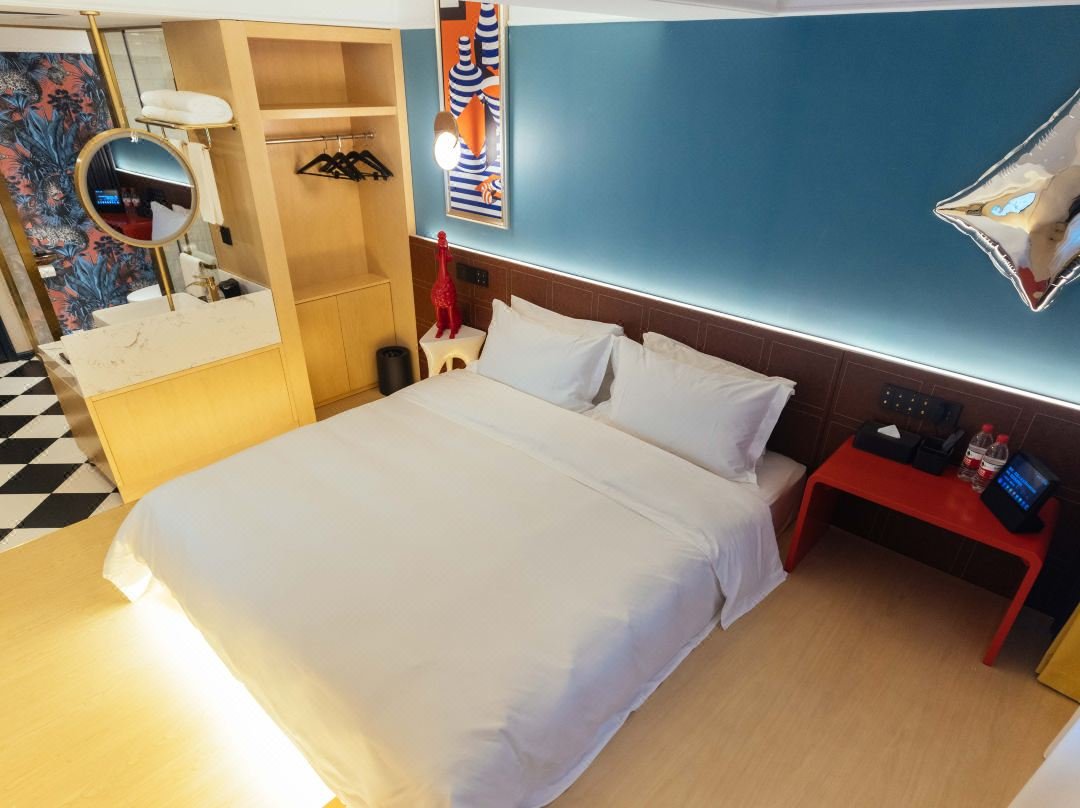
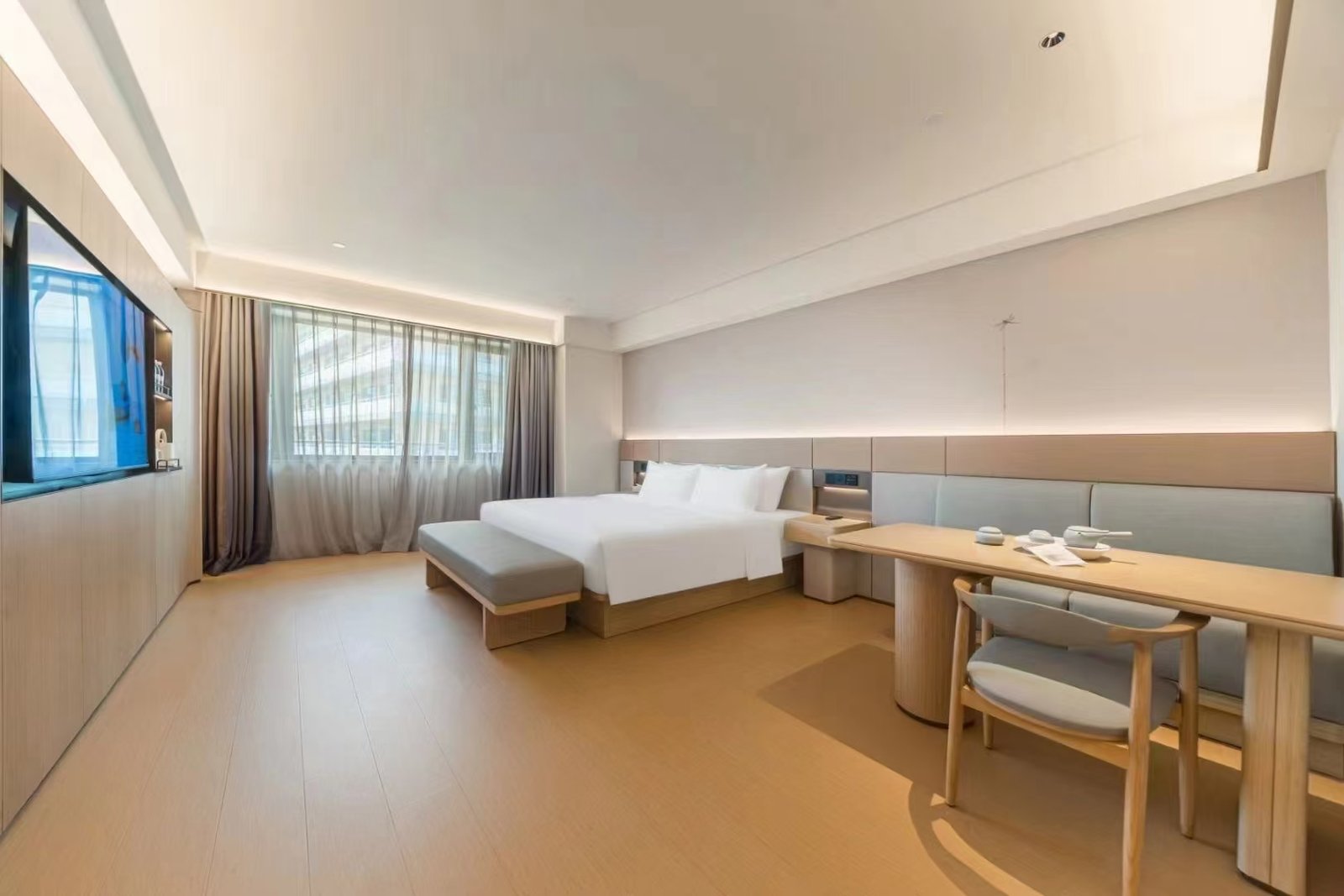
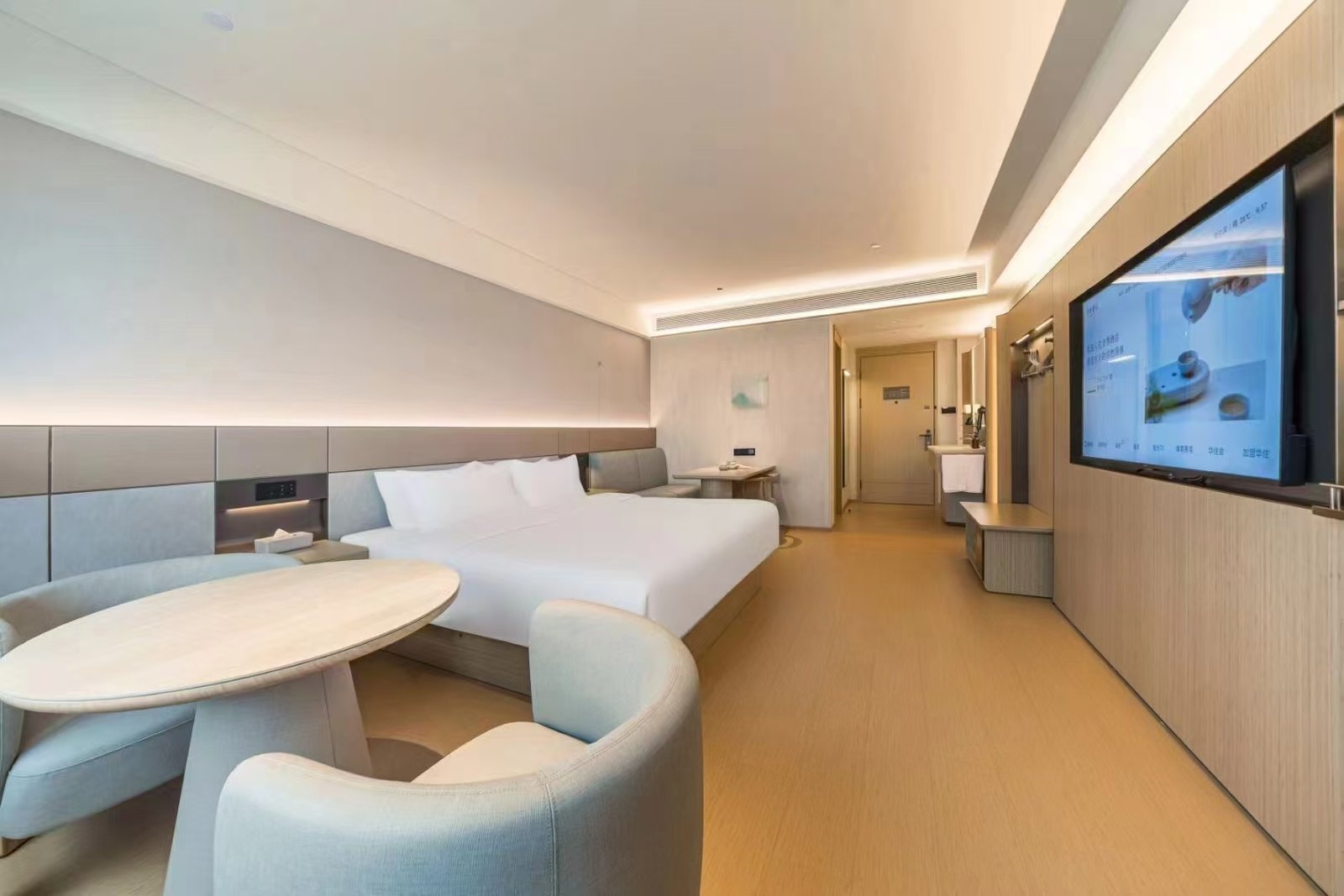
A 120-room hotel renovation has reached the furniture stage. The interior concept is clean and contemporary, the rooms are not especially large, and the owner wants a modern look without making the spaces feel cold or generic.
This is where modern hotel furniture becomes more than a style choice. The furniture still has to provide storage, support daily guest use, fit around power points and circulation, and remain practical for housekeeping and maintenance.
For buyers sourcing custom hotel furniture, a successful modern room usually comes from controlling proportion, materials and function rather than simply choosing furniture with straight lines and dark metal frames.
Begin with What the Guest Room Actually Needs
The project team starts with a standard king room.
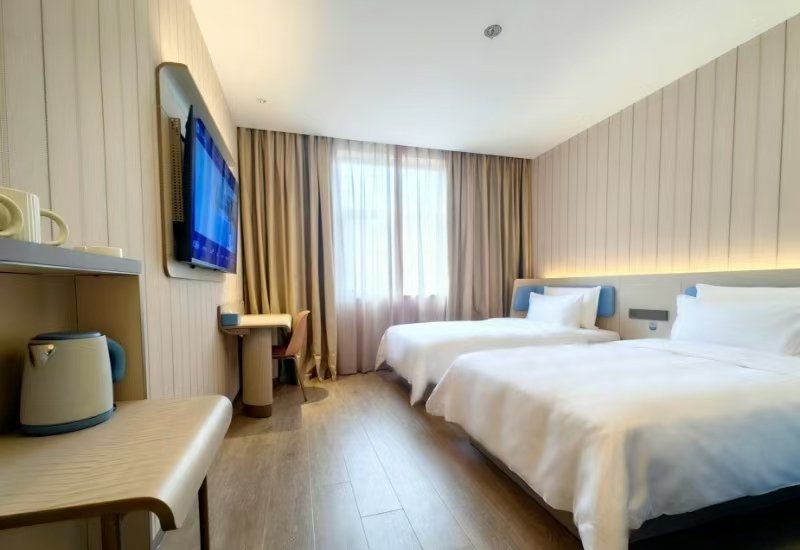
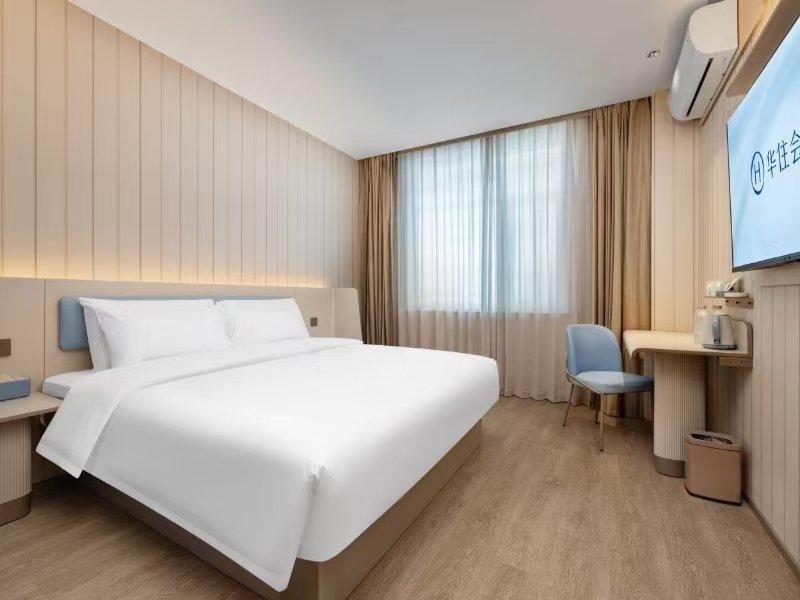
The room needs a bed, two bedside surfaces, storage, a desk, luggage space and one comfortable seating position. There is also limited wall length because the bathroom entrance and window take up a large part of the available space.
At this stage, the buyer does not need to decide whether the nightstand should have rounded corners or whether the chair legs should be black.
The first questions are more practical:
Where will guests put their belongings?
The wardrobe, luggage bench and drawer space need enough capacity without making the room feel crowded.
Where will guests charge devices?
Nightstands and desks should coordinate with sockets, USB points and lighting controls.
How much circulation space remains?
A lounge chair that looks appropriate on a mood board can become a problem if it narrows the route between the bed and window.
Modern furniture works best when the room feels simple because the functions have been organized well, not because useful furniture has been removed.
Modern Hotel Furniture Depends Heavily on Proportion
Now the team begins setting furniture dimensions.
One of the easiest ways to make a modern room feel heavy is to use furniture that is too deep, too tall or too visually bulky for the available space.
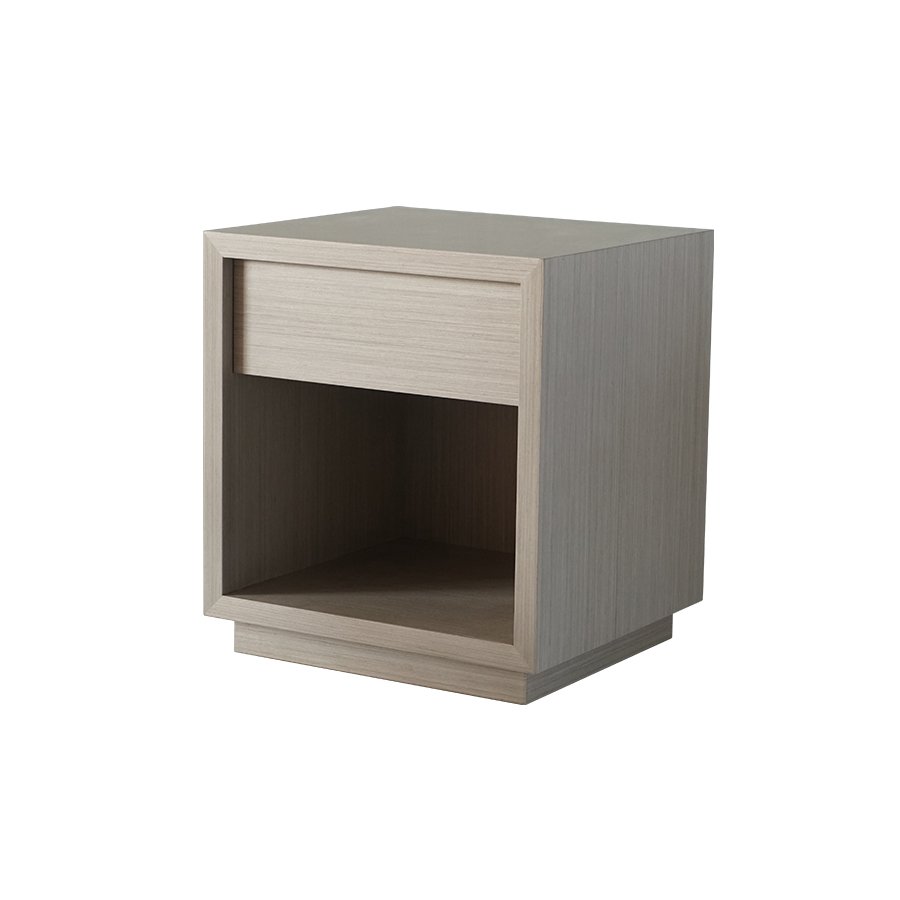
Consider the nightstand. A traditional cabinet-style nightstand might provide generous storage, but in a compact modern room it can visually crowd the bed wall.
A shallower design with one drawer and an open lower section may provide enough function while creating a lighter appearance.
The same principle applies to other pieces.
Wardrobes
A full-depth wardrobe may still be necessary, but handle design, door thickness, base details and internal organization can make the unit feel cleaner.
Desks
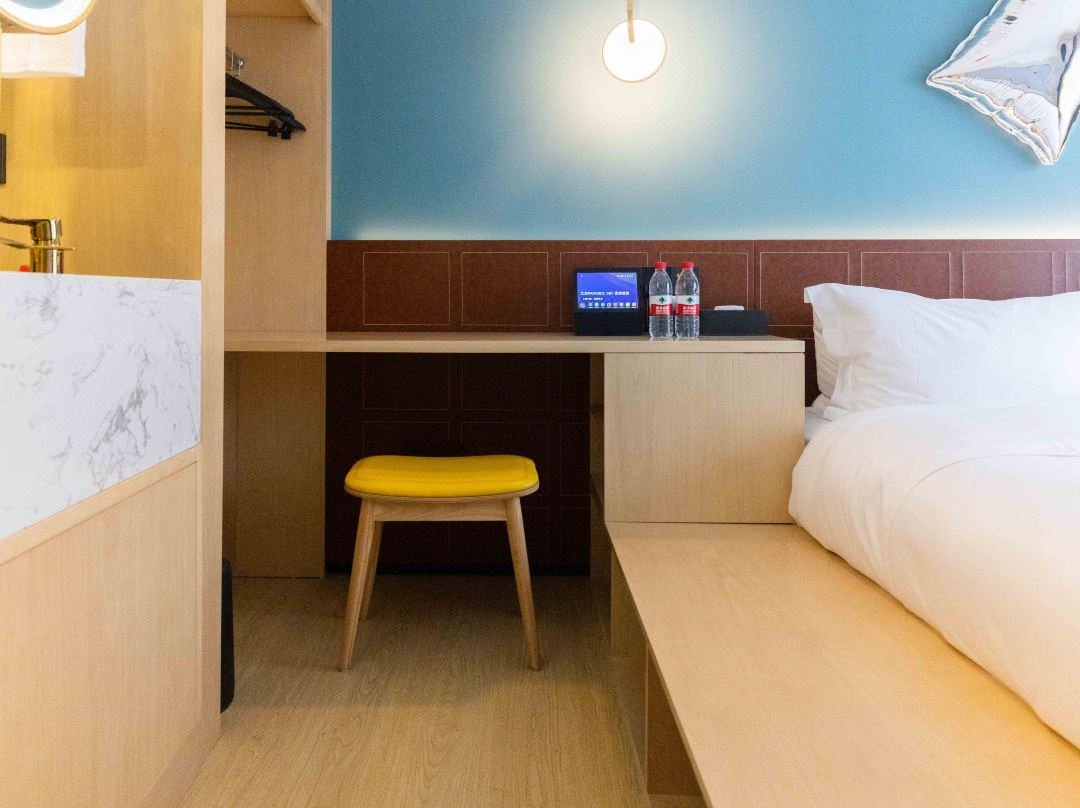
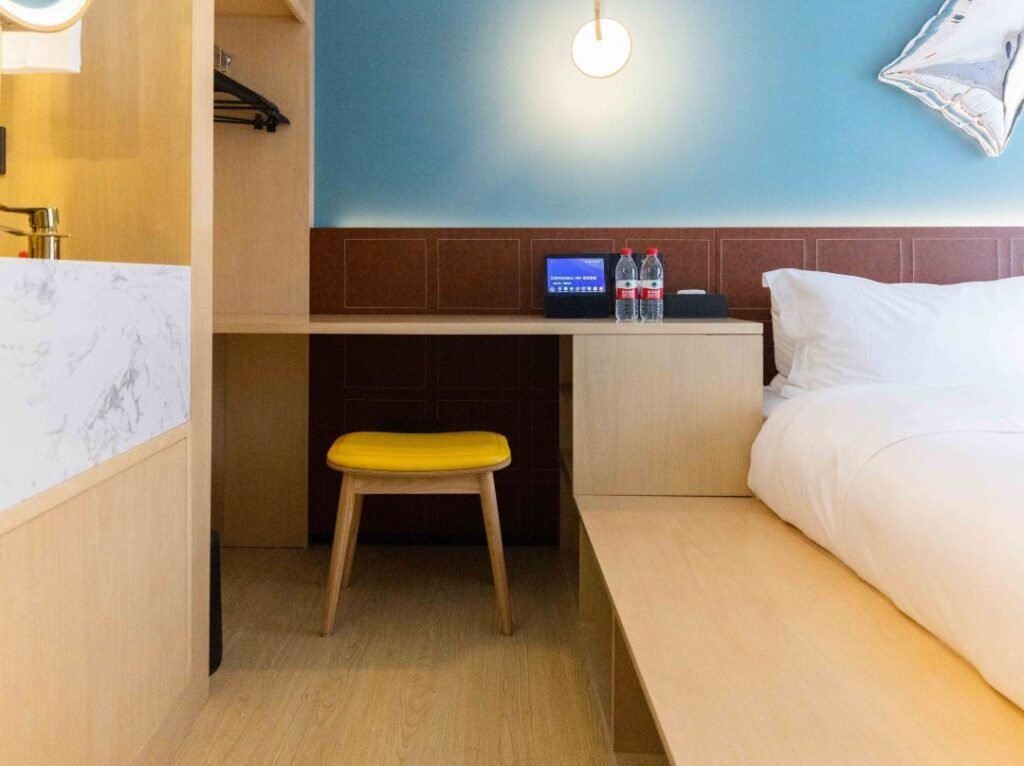
A desk does not always need heavy pedestal storage. A slimmer work surface with concealed cable management may suit the room better.
Bed frames
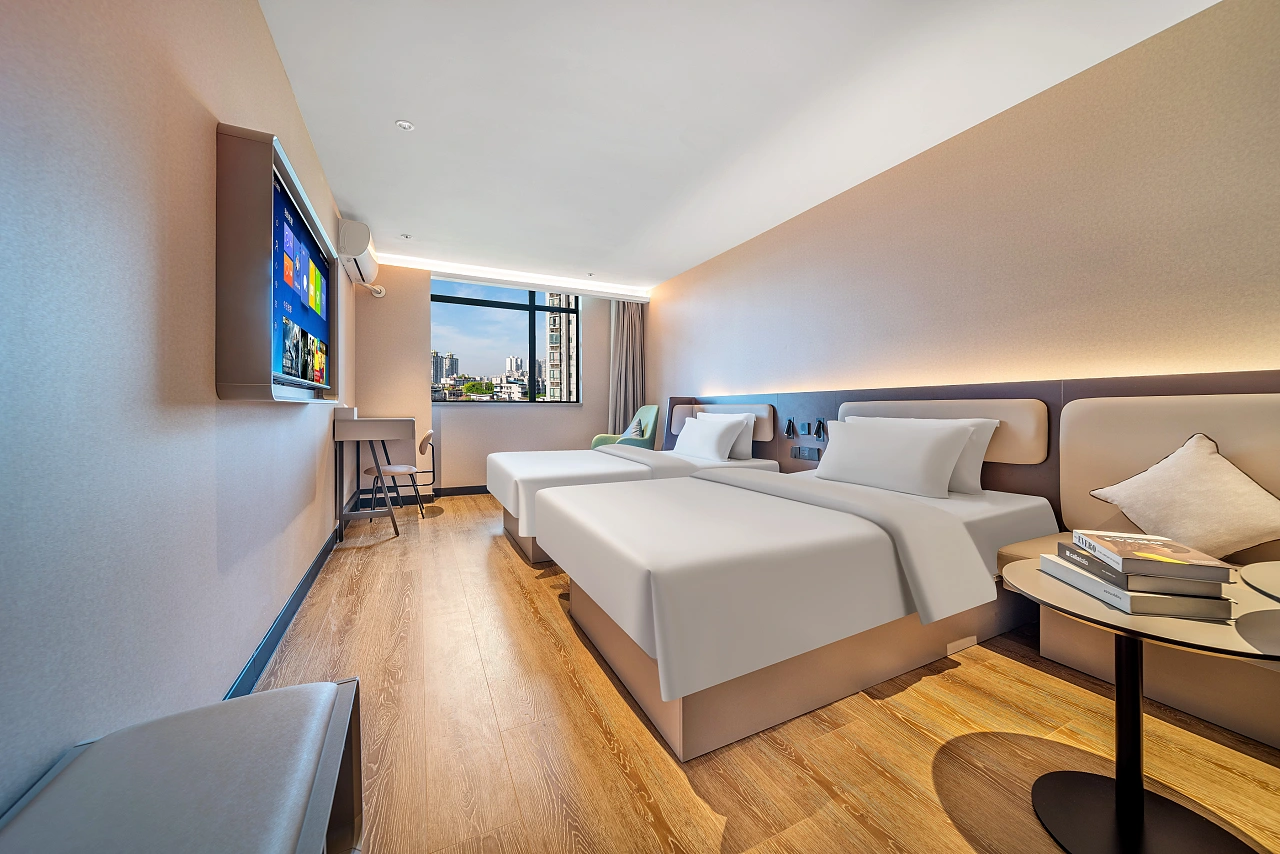
A platform-style bed can create a contemporary appearance, but the mattress height, housekeeping access and stability still need to be considered.
For custom hotel cabinets and casegoods, small dimensional changes often make more difference than adding decorative features.
A Modern Room Does Not Need Every Piece to Look the Same
Once dimensions are established, the project moves to materials and finishes.
The designer has selected warm oak tones, matte black metal and neutral upholstery. The temptation is to repeat all three materials on every piece of furniture.
That can make the room feel overly coordinated.
Instead, the furniture package can use a shared visual language without making every item identical.
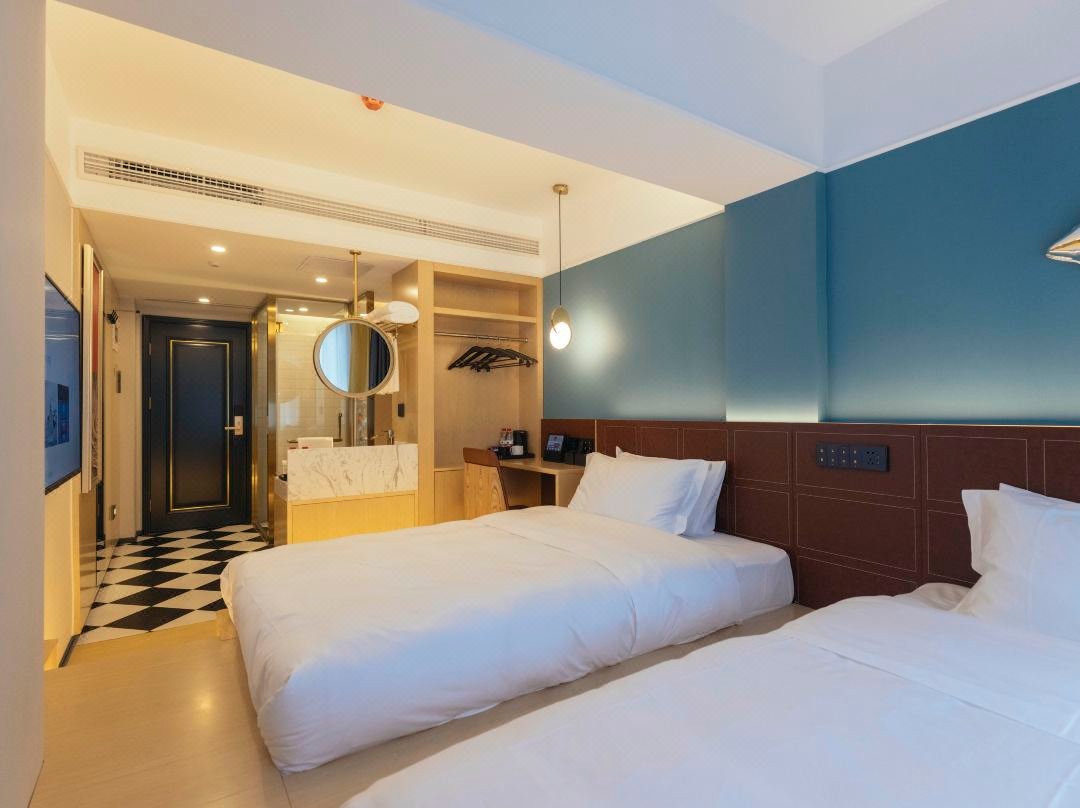
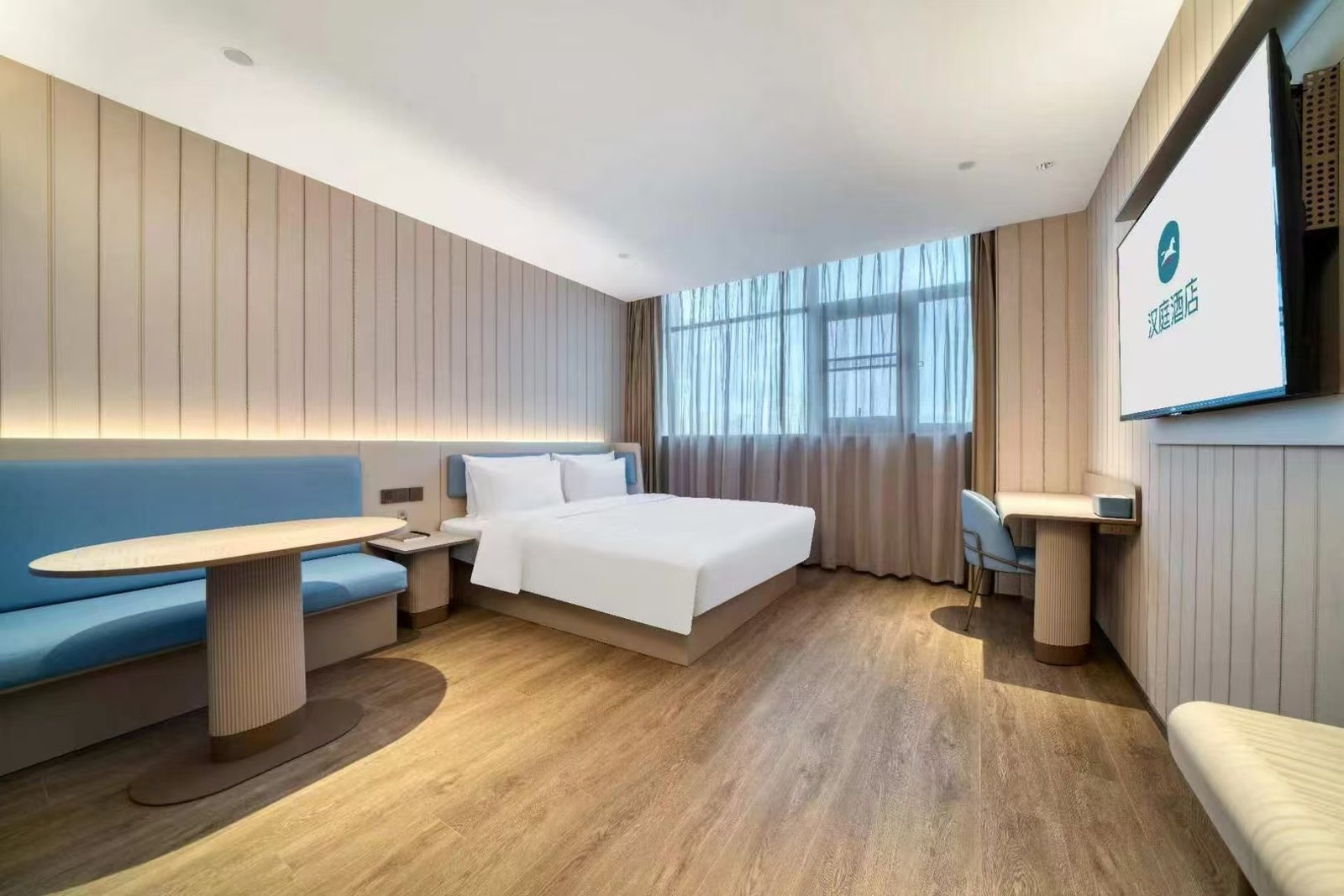
The headboard may combine upholstery with a narrow wood border. The nightstands can use the same wood tone with minimal metal details. The desk may introduce a darker top or slim metal base. The lounge chair can repeat the upholstery palette without copying the casegoods construction.
What connects the room is not identical furniture. It is controlled repetition.
The project may repeat:
- one primary wood tone
- one metal finish
- a limited upholstery palette
- similar edge and corner language
- consistent hardware details
This keeps the room visually coherent without making it look like every product came from the same furniture set.
Storage Needs to Disappear into the Design
The first room mock-up looks clean, but the hotel operations team notices a problem: there is not enough practical storage.
This is a common tension in modern interiors.
Furniture can become visually minimal while still needing to hold clothing, luggage, minibar equipment, hotel supplies and personal items.
The solution is usually not to remove storage but to integrate it more carefully.
Use furniture for more than one function
A luggage bench can include storage underneath. A minibar cabinet can share space with drawers. A desk can incorporate a small refrigerator or concealed power access.
Avoid unnecessary visual breaks
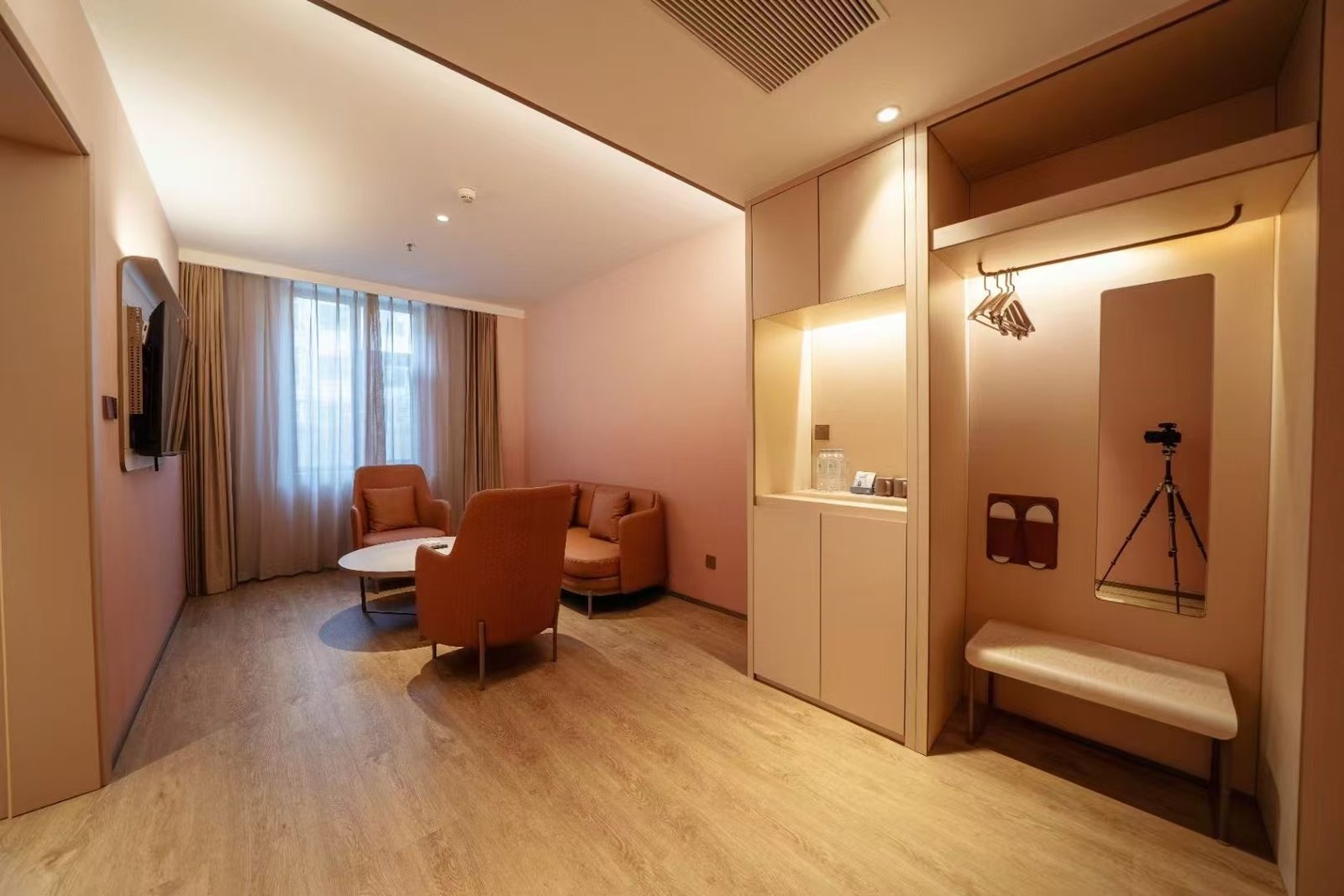
Flush doors, recessed pulls and coordinated panels can help large storage pieces appear quieter inside the room.
Keep housekeeping in mind
Furniture that looks minimal but creates difficult gaps, unreachable surfaces or complicated cleaning areas may increase daily operating work.
A modern hotel room should feel uncluttered to the guest without becoming impractical for the hotel.
Public-Area Furniture Can Be More Expressive
After completing the guest room package, the project team turns to the lobby.
The design rules change again.
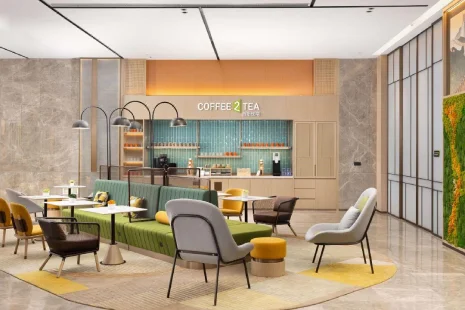
Guest room furniture is repeated across many rooms, so production efficiency and consistency matter heavily. Lobby pieces are fewer in number and can carry more visual character.
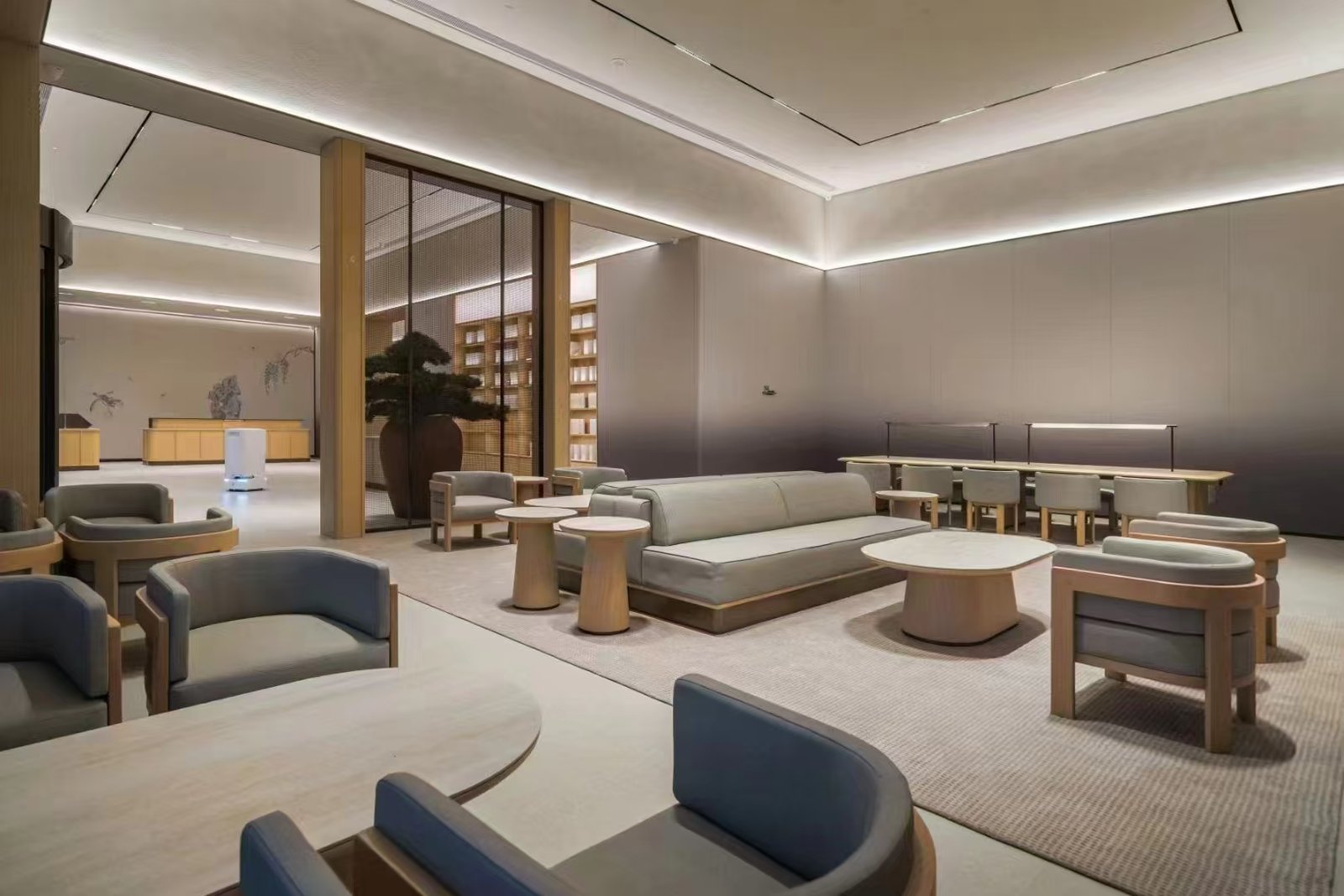
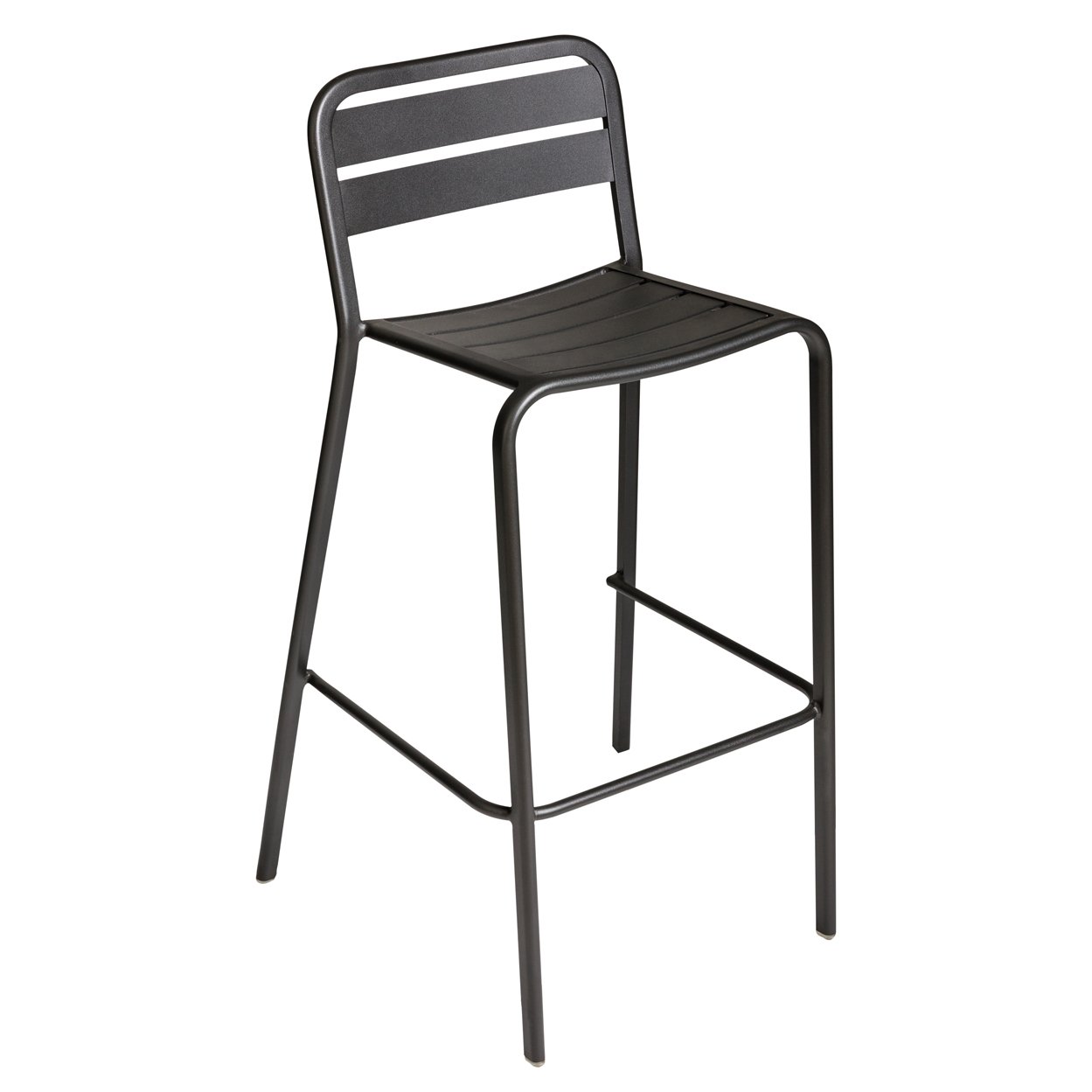
A sculptural lounge chair, a distinctive sofa or an unusual side table can help establish the identity of the hotel without forcing every guest room to use the same level of customization.
For hotel lounge chairs, the project should still consider more than appearance.
The seating needs to balance:
- visual proportions
- seat comfort
- frame stability
- foam performance
- upholstery durability
- cleaning requirements
This is where modern hotel design often works best: simpler guest rooms supported by a few more expressive pieces in high-visibility public areas.
Durability Should Not Change the Visual Language
The sample room is approved visually, but the purchasing team still needs to make sure the furniture can handle hotel use.
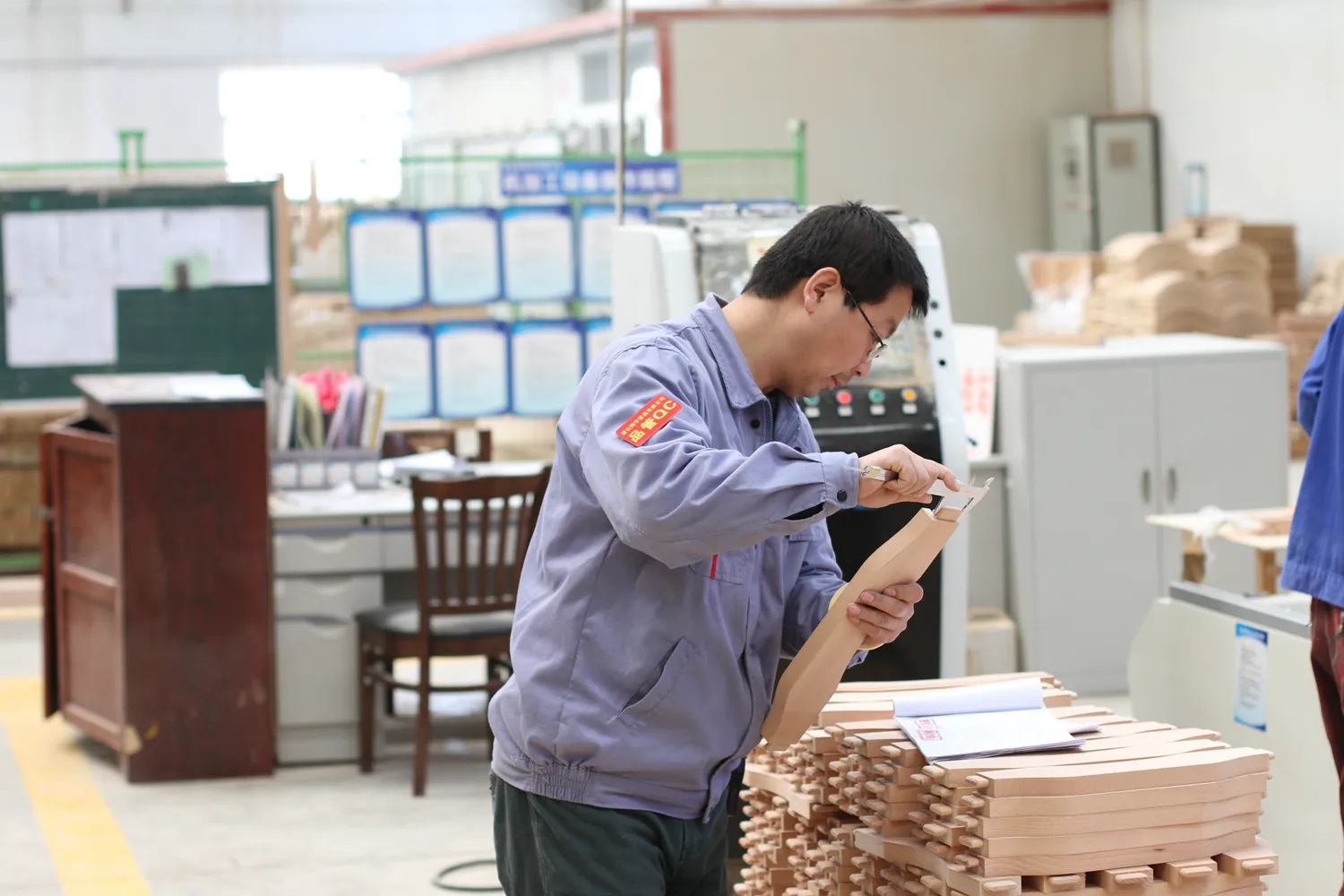
A modern profile often uses thinner components, lighter-looking bases and cleaner joints. Those details should not automatically mean weaker construction.
For example, a slim metal table base can still use suitable wall thickness and reinforcement. A floating nightstand can hide a strong fixing system. A visually light lounge chair can still use reinforced joints in areas that receive repeated stress.
The design and engineering decisions need to support each other.
For commercial seating and other furniture where performance testing is relevant, buyers can also review resources from BIFMA furniture standards when establishing project requirements.
The objective is not to make commercial furniture look industrial. It is to place the strength where the user does not necessarily see it.
Value Engineering Should Protect the Modern Look
The project receives its first complete quotation and the furniture package is above the target budget.
At this stage, value engineering should not begin by randomly replacing every material with a cheaper option.
The team first identifies what actually creates the modern appearance.
In this project, those elements are:
clean proportions, the warm wood finish, slim black metal details and neutral upholstery.
Those are protected.
Other areas can then be reviewed.
Internal cabinet construction
Some hidden materials may be adjusted without changing the visible surface.
Hardware
Specifications can be reviewed to make sure the project is not paying for functions it does not require.
Complex decorative details
Certain machining or metal details may add cost without making a meaningful visual difference after installation.
Packaging and assembly
Depending on the destination and installation plan, the packing method or degree of pre-assembly may also affect project cost.
The result should still look like the approved design when the room is completed.
If value engineering changes the visual identity of the furniture, the project has gone too far.
The Final Room Should Feel Simple Because the Decisions Were Clear
By the time the 120-room project reaches bulk production, the furniture package is no longer simply described as “modern.”
The buyer has defined the dimensions, storage requirements, material relationships, furniture functions and the areas where customization creates the most value.
That is what makes successful modern hotel furniture different from furniture that merely follows a contemporary visual trend.
A modern guest room should not feel empty, fragile or generic. It should feel organized.
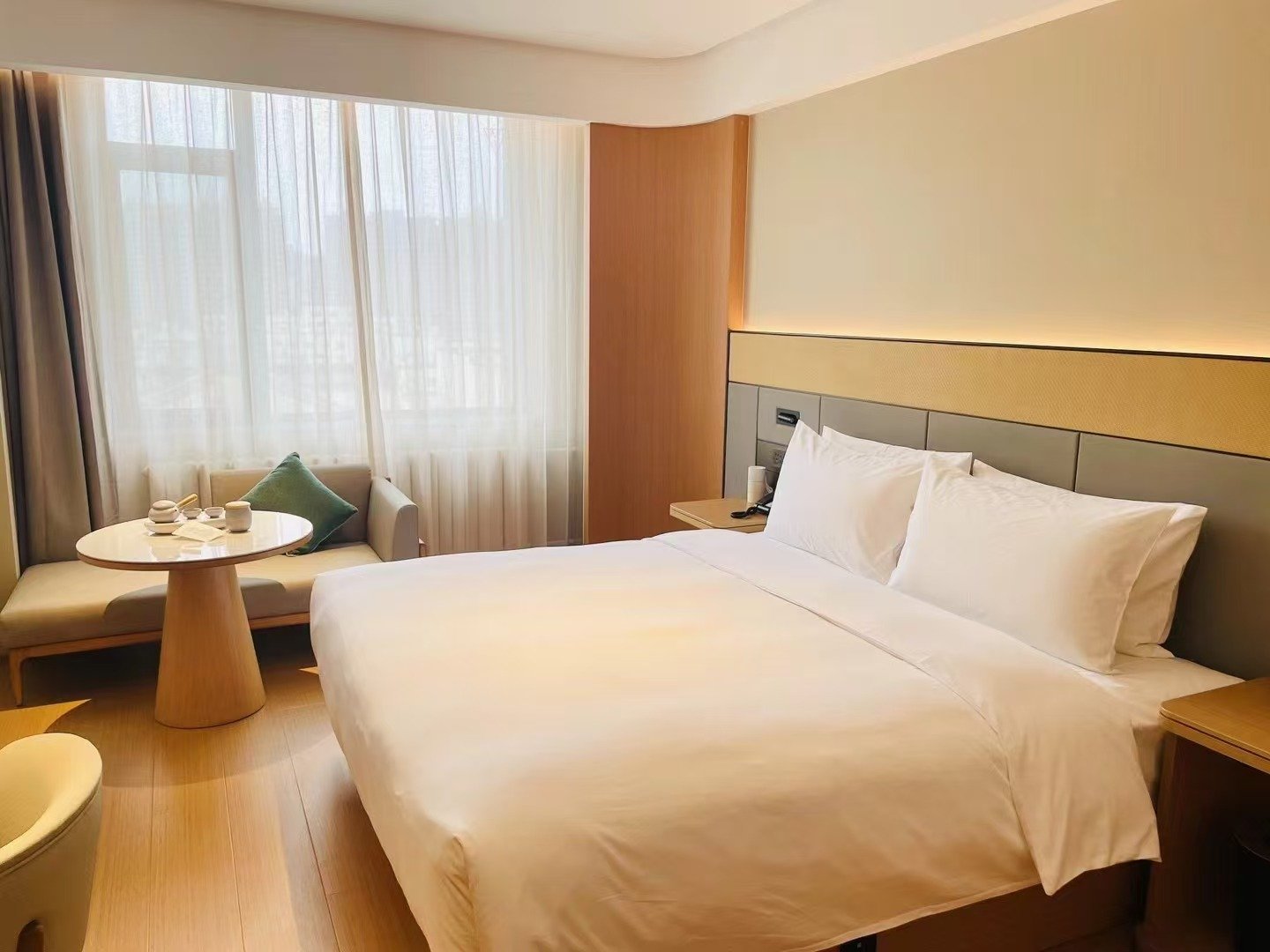
The nightstand fits the bed wall. The desk provides power access without unnecessary bulk. The wardrobe provides enough storage without dominating the entrance. The lounge chair fits the remaining space. Materials repeat across the room without making every piece identical.
For project buyers, this is also why working directly from room layouts, drawings and furniture schedules can be more useful than selecting products individually from a catalog.
TSXY supports hotel furniture manufacturing for custom hospitality projects, including guest room casegoods, seating, bed frames, tables and coordinated furniture packages developed around project requirements.
The most convincing modern hotel interiors often look simple in the finished room because the complicated decisions were already solved before production began.
You May Also Be Interested In
What Makes Boutique Hotel Furniture Different?
Where to Buy Hotel Furniture Wholesale for a Commercial Project