
Table of contents
- Why Is Hotel Furniture Lead Time Difficult to Define?
- Stage 1: BOQ, Drawings and Project Specifications
- Stage 2: Shop Drawings, Materials and Finish Approval
- Stage 3: Furniture Samples and Mock-Up Approval
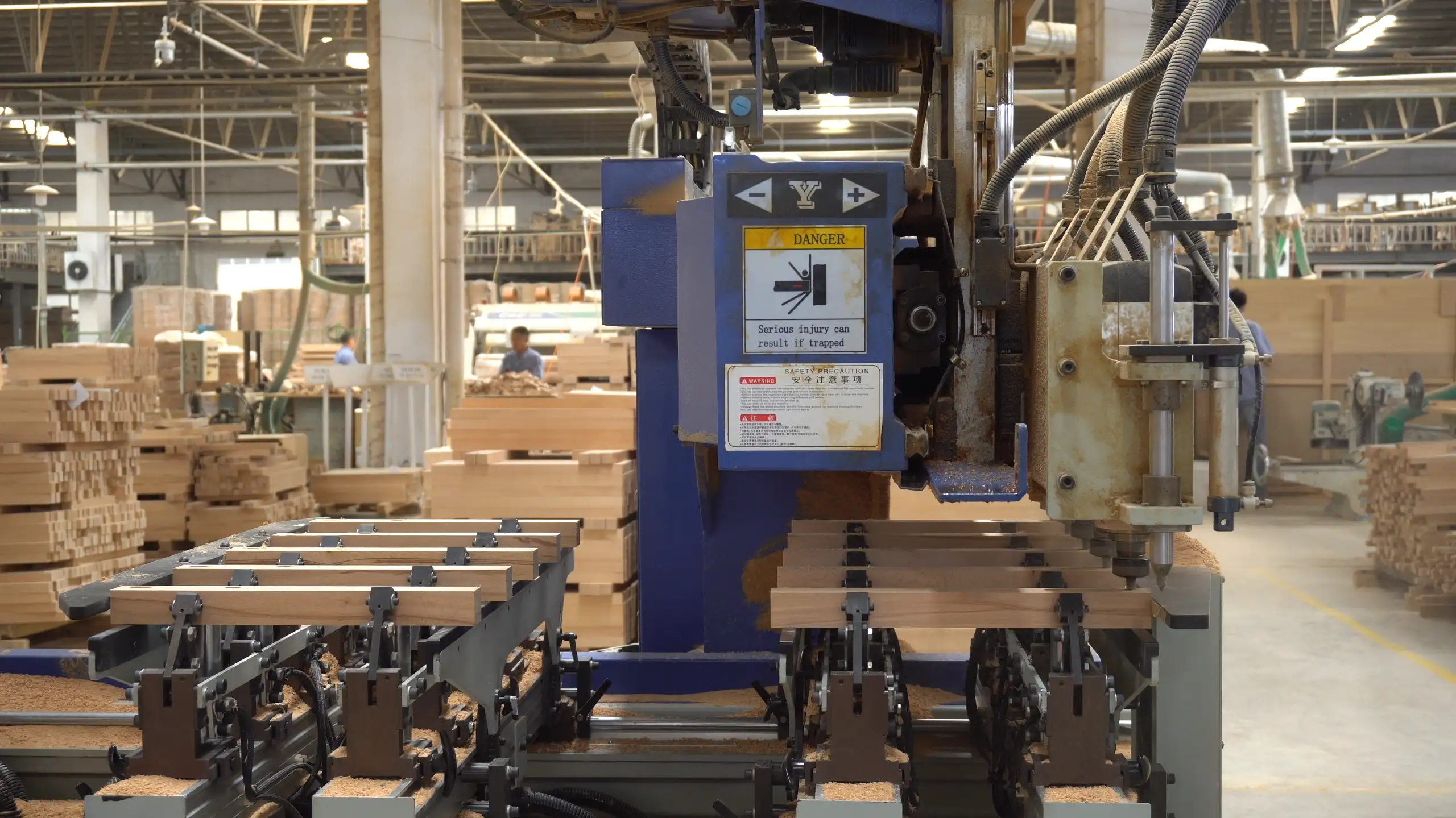
- Stage 4: Mass Production
- Stage 5: Inspection, Correction and Packing
- What Usually Delays a Hotel Furniture Project?
- How Can Buyers Shorten Lead Time Without Creating More Risk?
- Build the Furniture Schedule Backward From Installation
One of the first questions project buyers ask after receiving a quotation is simple: “How long will production take?”
But hotel furniture lead time is rarely only the number of days a factory needs to manufacture furniture. A customized hospitality project may also require shop drawings, material confirmation, finish samples, prototype approval, mass production, inspection, packing and shipping.
For buyers sourcing custom hotel furniture, the better approach is to build the project schedule backward from the required installation date instead of looking only at factory production time.
Production time is only one part of the furniture timeline. A delay during drawings, material approval or sampling can affect the delivery date just as much as a delay on the factory floor.
Why Is Hotel Furniture Lead Time Difficult to Define?
Standard furniture already exists before the buyer places an order. Custom hotel furniture often does not.
A project may begin with a BOQ, interior rendering or furniture drawing. The manufacturer still needs to convert that information into a product that can be manufactured consistently in larger quantities.
The overall schedule can be affected by:
- Number of furniture models
- Number of room types
- Drawing complexity
- Material availability
- Custom wood and metal finishes
- Fabric availability
- Sample requirements
- Order quantity
- Revision speed
- Inspection requirements
Therefore, two 100-room hotels can have very different furniture schedules even when their total furniture quantities appear similar.
Stage 1: BOQ, Drawings and Project Specifications
Before a manufacturer can give a reliable production schedule, the furniture scope needs to be clear.
A useful project package normally includes:
- BOQ
- Room schedule
- Furniture dimensions
- Design drawings
- Interior renderings
- Material requirements
- Finish references
- Fabric specifications
- Quantity by furniture item
When this information is complete, technical development can move much faster.
However, when several documents contain different information, the first stage becomes a clarification process rather than a production process.
One Small Conflict Can Stop the Next Step
For example, the BOQ may show one wardrobe size while the latest drawing shows another. The rendering may show an upholstered headboard while the specification still describes a wood finish.
The manufacturer needs these questions resolved before shop drawings and material preparation can move forward confidently.
Stage 2: Shop Drawings, Materials and Finish Approval
Once the general scope is clear, the project moves into technical development.
Shop drawings may define:
- Overall dimensions
- Panel thickness
- Frame construction
- Hardware
- Joint details
- Upholstery details
- Installation points
At the same time, the buyer may need to approve wood stain, veneer, metal finishes, fabrics, leather, laminates or tabletop materials.
This stage is often underestimated. One finish may look simple on a rendering but still require physical sampling and adjustment before the final production standard is confirmed.
The faster the buyer, designer and manufacturer close technical comments, the easier it becomes to protect the final delivery date.
Stage 3: Furniture Samples and Mock-Up Approval
For customized or high-volume hotel furniture, important products may require a physical sample before mass production.
The purpose of the sample is not only to confirm appearance. It may also reveal:
- Incorrect dimensions
- Seat comfort problems
- Finish differences
- Hardware issues
- Construction problems
- Conflicts with the guest-room layout
Sample Revisions Can Change the Schedule Quickly
Suppose a lounge chair sample is completed, but the project team requests a different foam, revised arm height and new fabric.
Those changes may require updated drawings, new materials or another physical review.
Therefore, sample comments should be consolidated and clearly recorded instead of arriving separately over several weeks.
Stage 4: Mass Production
After drawings, materials and important samples are approved, mass production can begin.
This is what many buyers call “production lead time,” but the actual manufacturing period still depends heavily on the product mix.
| Project Situation | Possible Effect on Production |
|---|---|
| Large quantities of repeated products | Higher production repetition and easier workflow planning |
| Many low-volume custom models | More setup and production changeovers |
| One common finish across several products | Simpler material and finish control |
| Many different custom finishes | More separate production and QC processes |
| Standard hardware | Easier sourcing and preparation |
| Special components | Additional sourcing time may be required |
For this reason, a project with 1,000 highly standardized furniture pieces may sometimes be easier to schedule than a project with 400 pieces divided across many custom designs.
Stage 5: Inspection, Correction and Packing
Production completion does not mean the furniture is immediately ready to load.
Before shipment, completed products may still require:
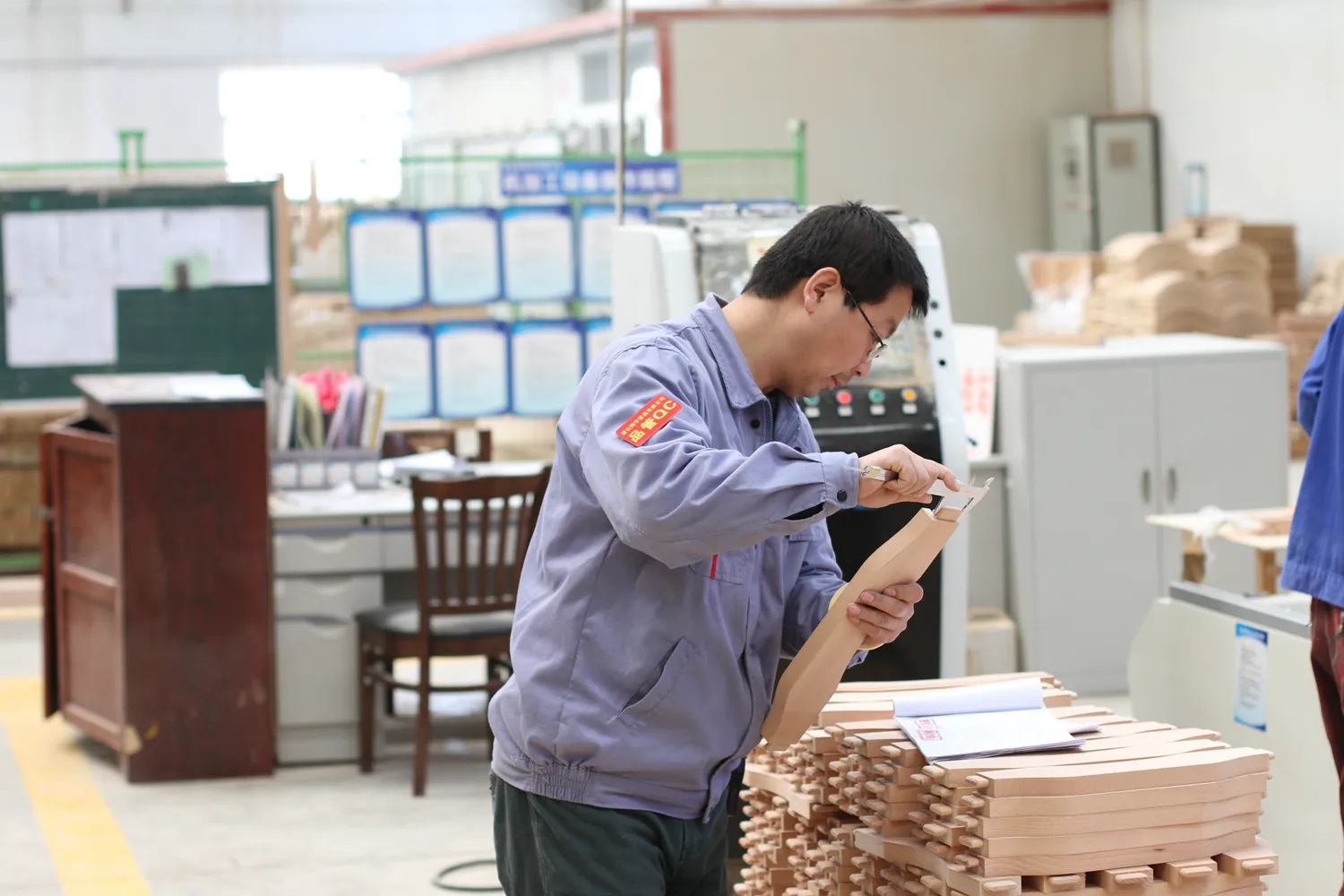
- Dimension checks
- Finish comparison
- Furniture stability checks
- Door and drawer testing
- Upholstery inspection
- Cleaning
- Correction of identified defects
- Final packing
This is why the project schedule should leave a reasonable gap between production completion and container loading.
The factory should have enough time to correct inspection findings properly rather than having to choose between delaying the container and shipping unresolved furniture.
Packaging Also Needs Time
Hotel furniture often includes products with very different sizes and structures. Chairs, wardrobes, tables, sofas and headboards may require different protection methods.
Good packing therefore needs to be planned as part of the production schedule rather than added at the last minute.
What Usually Delays a Hotel Furniture Project?
Not every furniture delay begins on the production line.
Some of the most common causes appear much earlier:Late Drawing Approval Production cannot move forward confidently while important dimensions or construction details remain open. Repeated Finish Changes New wood, metal or paint finishes may require another sampling and approval cycle. Fabric Arrives Late Upholstered furniture may stop even when the frames are already complete. Last-Minute Design Revisions Changes after sample approval can affect drawings, materials and production planning. Special Materials or Hardware Non-standard components may have their own sourcing lead time. Repeated QC Problems Large-scale rework can delay packing and shipment. Site Schedule Changes Furniture may be ready while the hotel is still unable to receive or install it.
As a result, protecting the furniture schedule requires coordination between the manufacturer, buyer, designer and project team.
How Can Buyers Shorten Lead Time Without Creating More Risk?
Skipping drawings, samples or inspection may appear to save time, but it can easily create larger delays later.
A better strategy is to remove unnecessary waiting and repeated work.
Freeze Key Information Earlier
Confirm room types, quantities and main furniture dimensions before detailed development begins.
Standardize Repeated Furniture
Using common finishes, hardware and furniture models across several room types can simplify sourcing and production.
Send Consolidated Comments
Collect feedback from the relevant project team and send one coordinated revision instead of several small changes at different times.
Identify Long-Lead Materials Early
Custom fabrics, special finishes and non-standard hardware should be identified before they become production bottlenecks.
Keep Approval Records Clear
The final drawing, material reference and approved sample should all represent the same production standard.
Build the Furniture Schedule Backward From Installation
The most useful hotel furniture schedule starts with one question:
When must the furniture arrive at the hotel?
From there, work backward through:
- Site delivery
- International or domestic transportation
- Container loading
- Inspection and packing
- Mass production
- Sample approval
- Material and finish approval
- Shop drawing approval
This creates a much more realistic plan than simply asking the factory for its shortest manufacturing time.
A well-managed hotel furniture lead time ultimately depends on coordination. The manufacturer needs clear specifications and approvals, while the buyer needs visibility into drawings, materials, samples, production and inspection.
For hotel owners, designers, contractors and procurement teams sourcing complete guest-room or hospitality furniture packages, you can review our Hotel Furniture range for casegoods, tables, chairs, lounge seating, sofas, benches and other customized project furniture.
Explore Hotel Furniture | View Custom Solutions | Review Our Factory