
Table of contents
- What Are Hotel Casegoods?
- What Is Loose Furniture in a Hotel?
- Hotel Casegoods vs Loose Furniture: Key Differences
- How Do the Two Groups Work Together in a Hotel Guest Room?
- What Should Buyers Check When Ordering Hotel Casegoods?
- What Should Buyers Check When Ordering Loose Furniture?
- One Project Still Needs One Material and Finish Standard
- How Should Casegoods and Loose Furniture Be Organized in a BOQ?
- Can One Hotel Furniture Manufacturer Handle Both?
- Common Mistakes When Buying Casegoods and Loose Furniture
- What Should Project Buyers Remember?
- Planning a Complete Hotel Furniture Package?
In hotel furniture procurement, hotel casegoods vs loose furniture is a common way to divide a guest room furniture package. The distinction is useful because the two groups often involve different materials, production processes, specification priorities and quality-control points.For hotel owners, procurement teams, designers and contractors, understanding this difference makes it easier to organize a BOQ, compare quotations and coordinate furniture from sample approval through bulk production.
In simple terms: hotel casegoods usually refer to hard furniture used for storage, work surfaces and integrated room functions, while loose furniture generally refers to movable seating and other freestanding pieces. The exact classification can vary from one hotel project to another, so the project BOQ and drawings should always remain the final reference.
What Are Hotel Casegoods?
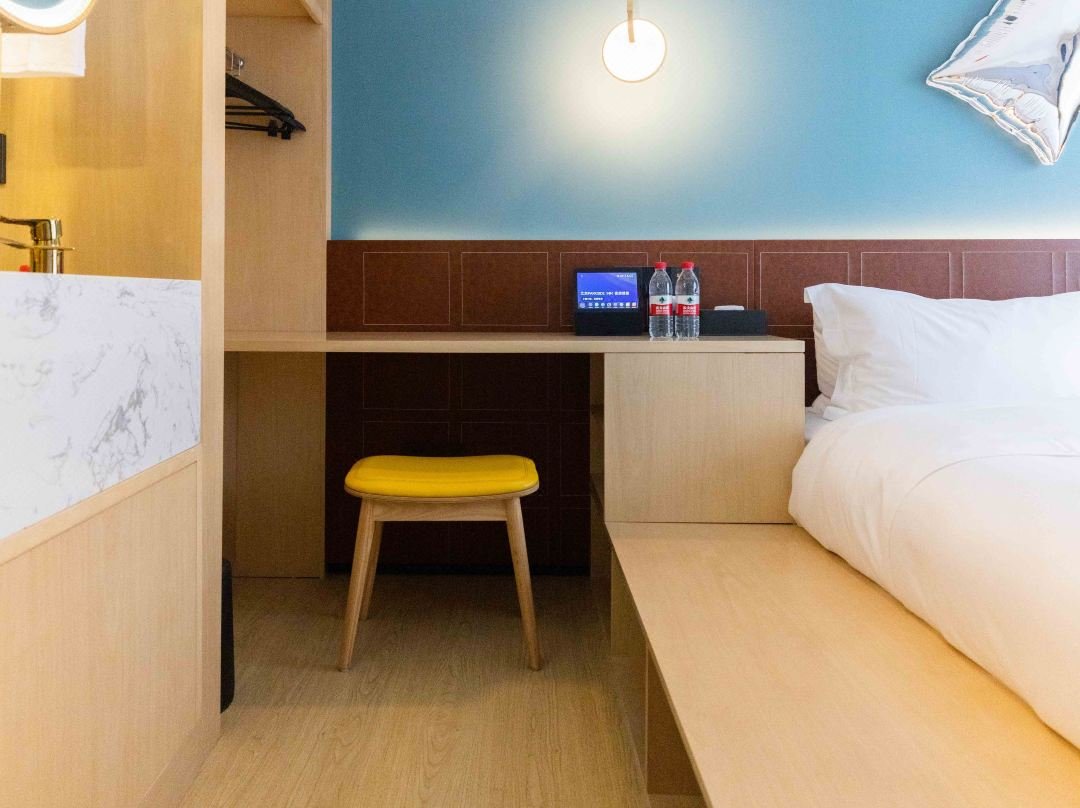
Hotel casegoods are generally furniture pieces built around hard surfaces, storage and functional room components. They often rely heavily on woodworking, panel processing, veneer, laminate, hardware and finish control.
Typical hotel casegoods may include:
- Wardrobes and closets
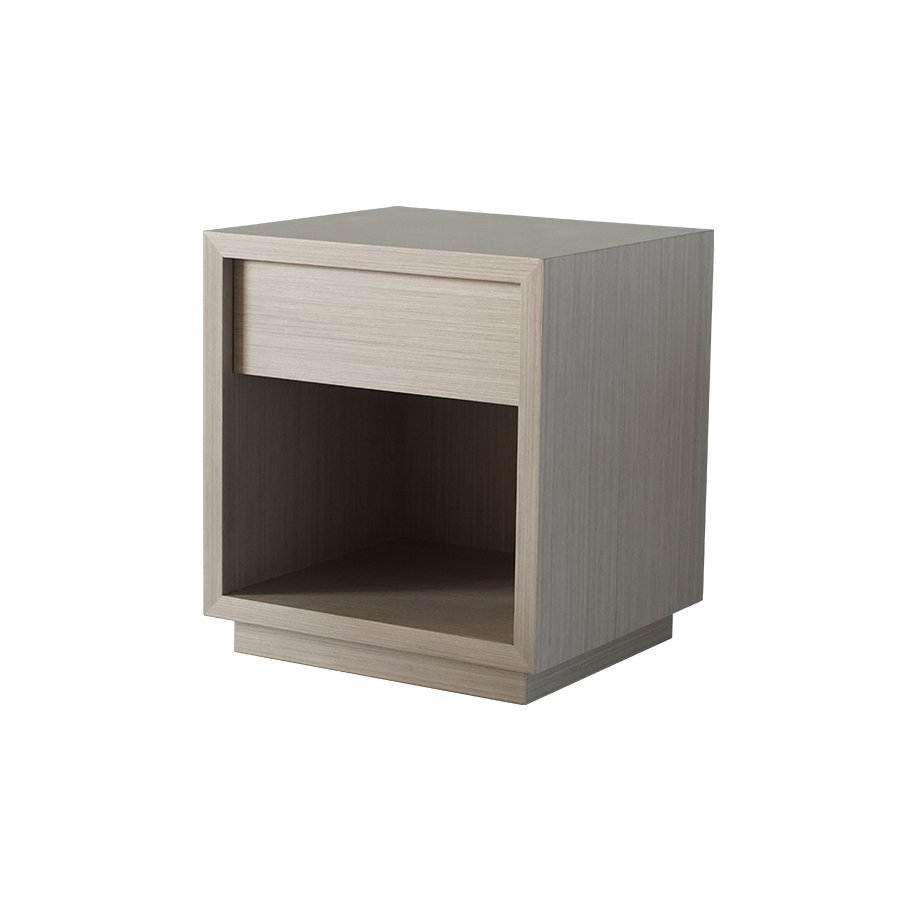
- Bedside cabinets and nightstands
- Writing desks and work units
- TV cabinets and credenzas
- Minibar cabinets
- Dressers and storage units
- Integrated luggage or storage units
Headboards, bed bases and certain tables may also be grouped with casegoods on some projects, while other BOQs list them separately. What matters most is that every item has a clear product code, drawing and specification.
Buyers looking at this part of a room package can also review our hotel cabinets and storage furniture for typical project applications.

What Is Loose Furniture in a Hotel?
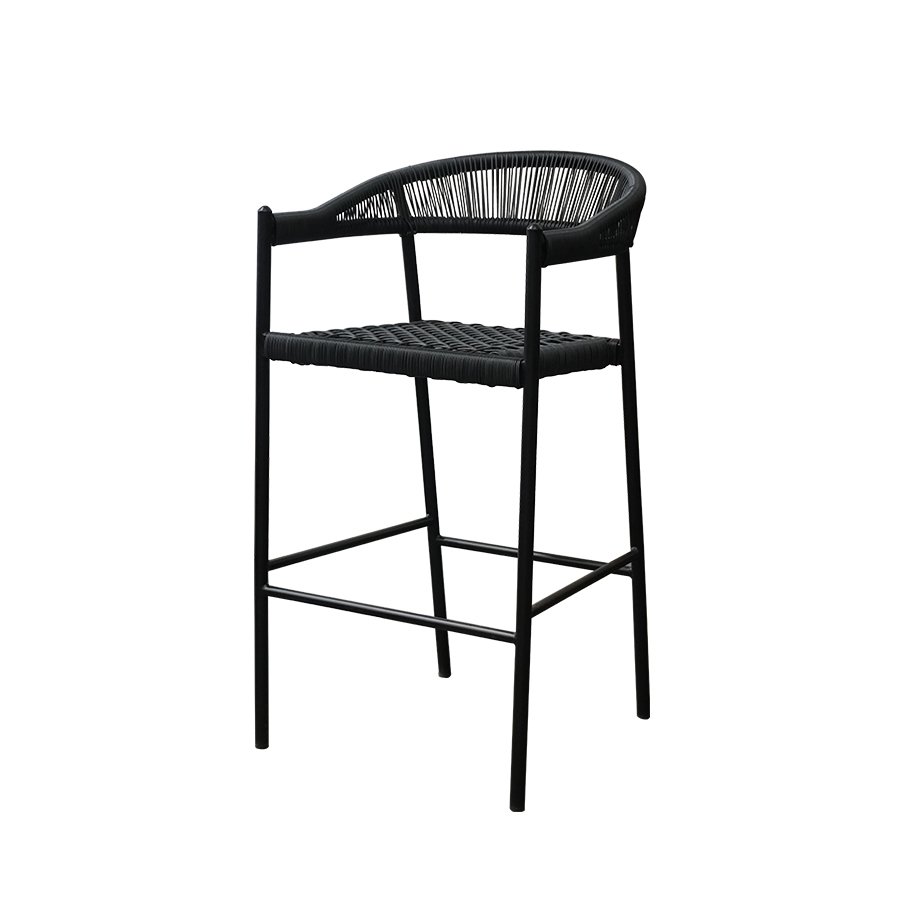
Loose furniture refers primarily to freestanding pieces that can be moved or repositioned without being integrated into the room structure. In a hotel guest room, this group is often dominated by seating and occasional furniture.
Typical loose furniture includes:
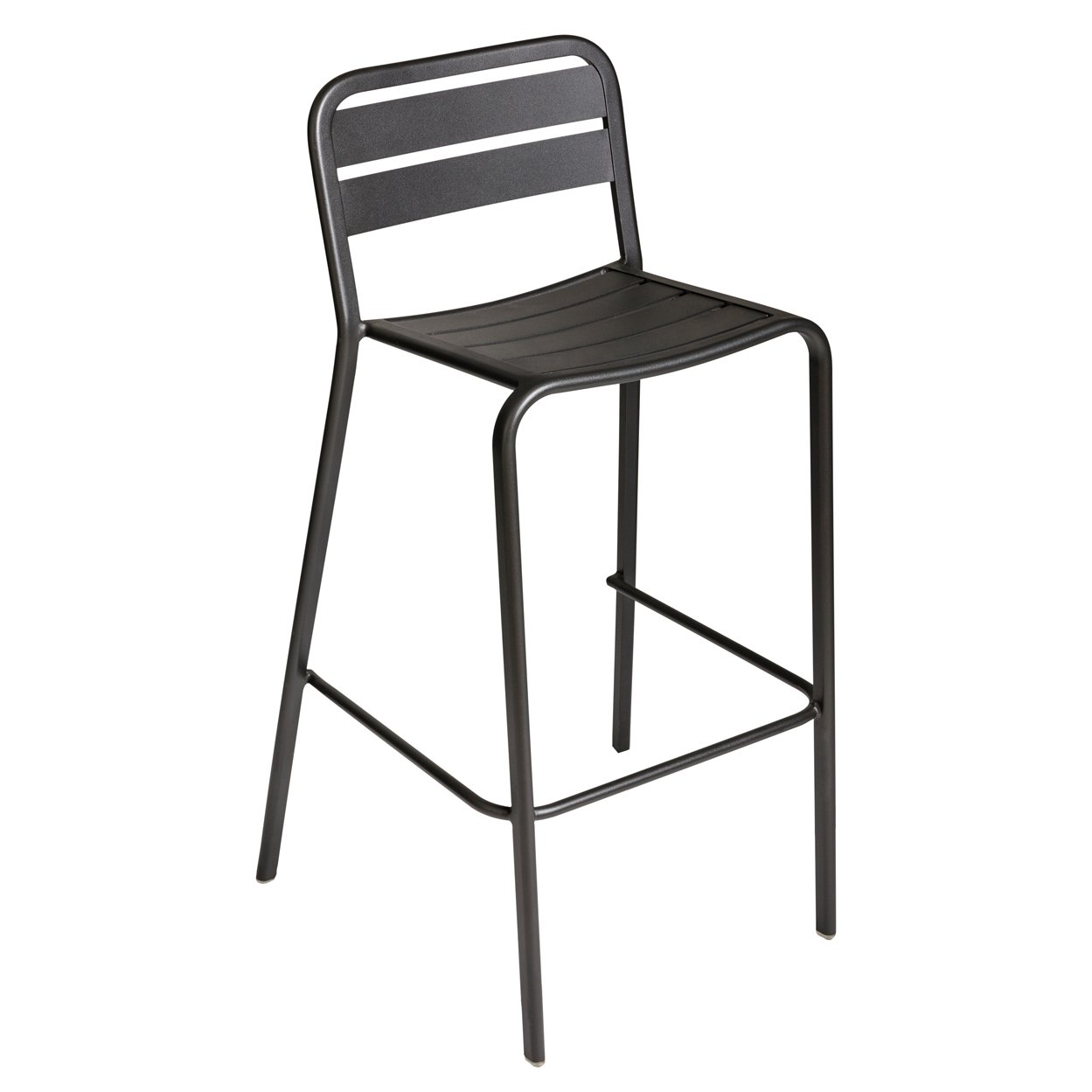
- Dining and desk chairs
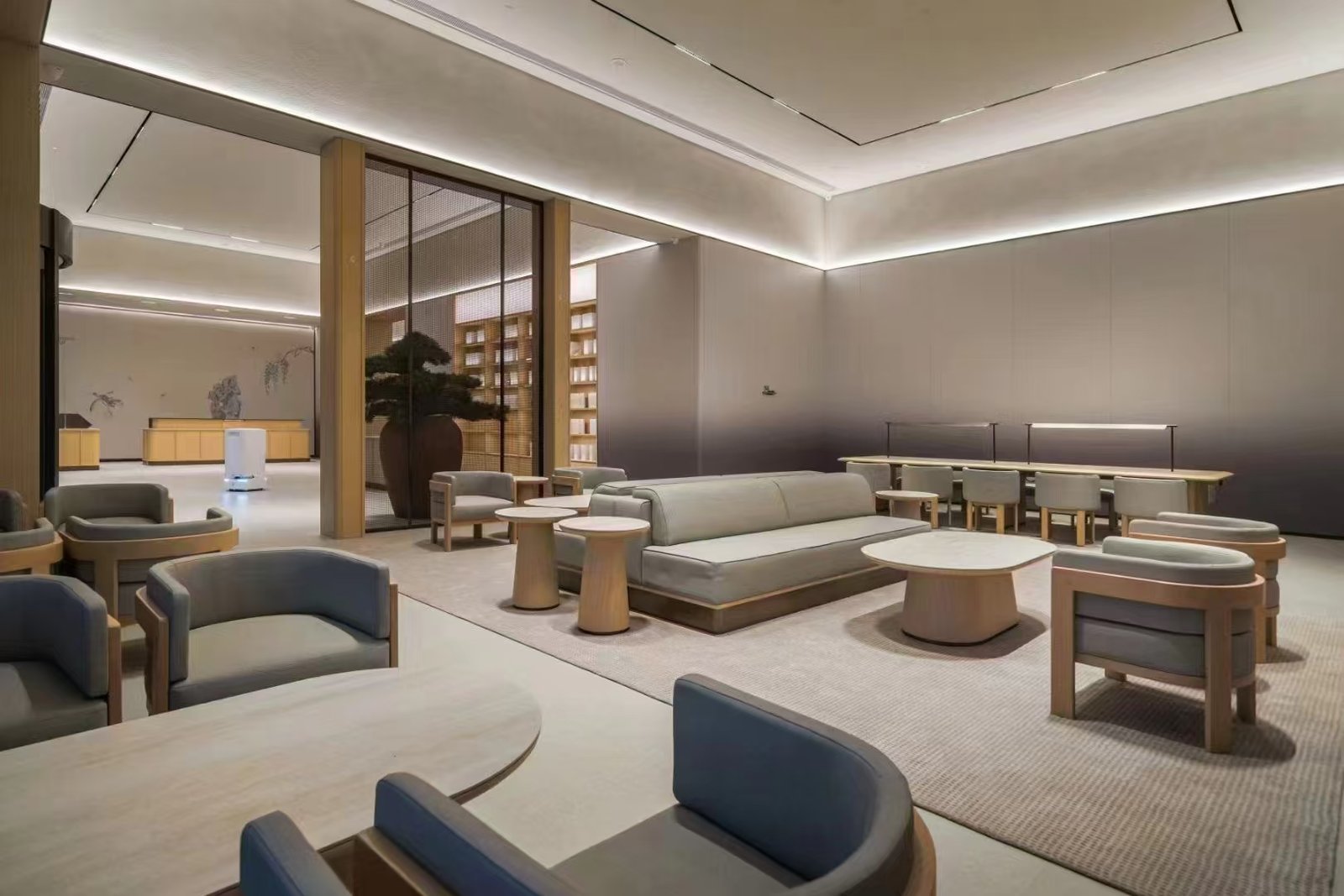
- Lounge chairs and armchairs
- Sofas
- Benches
- Ottomans
- Occasional and side tables
Compared with casegoods, loose furniture often requires more attention to comfort, upholstery, foam, frame construction and overall proportions. A chair that looks correct in a rendering can still be unsuitable if its seat depth, arm height or overall footprint does not work in the actual room.
Different examples can be found in the hotel lounge chair collection .
Hotel Casegoods vs Loose Furniture: Key Differences
| Comparison | Hotel Casegoods | Loose Furniture |
|---|---|---|
| Main Function | Storage, work surfaces and structured room functions | Seating, comfort and flexible use |
| Typical Materials | Panels, veneer, laminate, solid wood, metal, stone or engineered surfaces | Wood or metal frames, foam, fabric, leather and mixed materials |
| Specification Focus | Dimensions, internal layout, hardware, edge details and finishes | Comfort, proportions, upholstery, frame strength and finish |
| Room Coordination | Often closely related to walls, power points and fixed dimensions | More flexible in position but sensitive to circulation space |
| Sample Review | Dimensions, finish, hardware, drawers, doors and construction details | Comfort, foam, fabric, stitching, frame stability and proportions |
| Installation | Some pieces may require fixing, assembly or precise positioning | Usually positioned after delivery with less installation work |
How Do the Two Groups Work Together in a Hotel Guest Room?
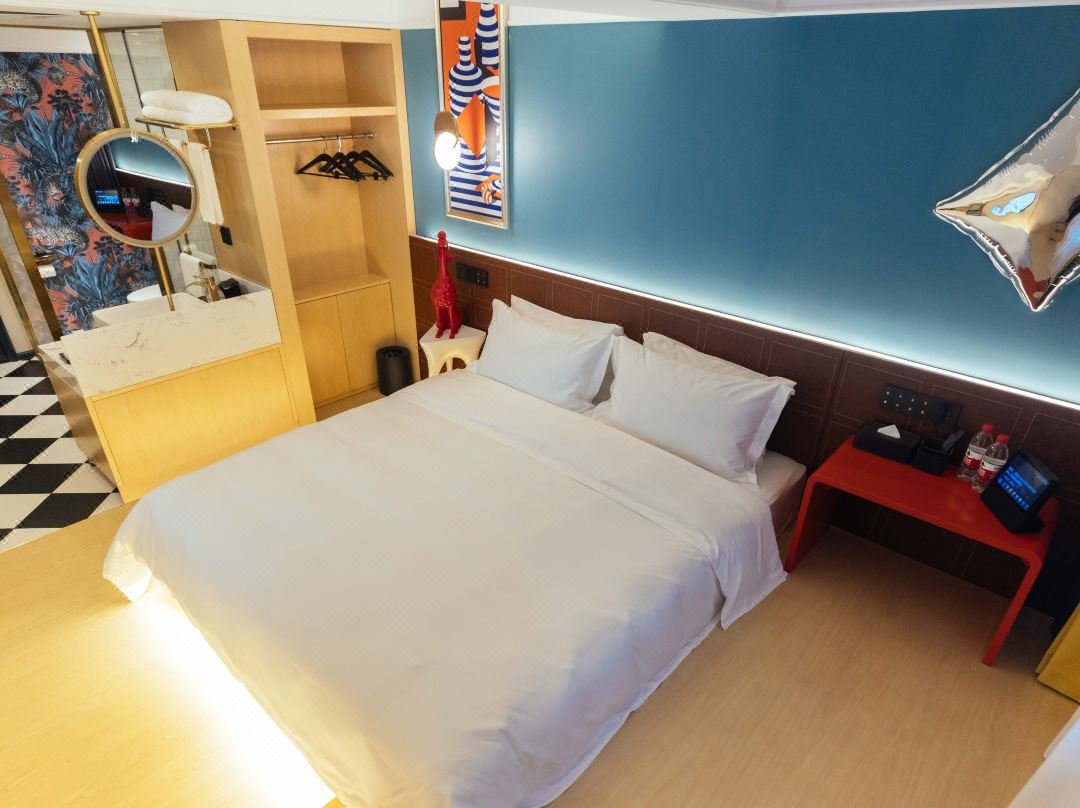
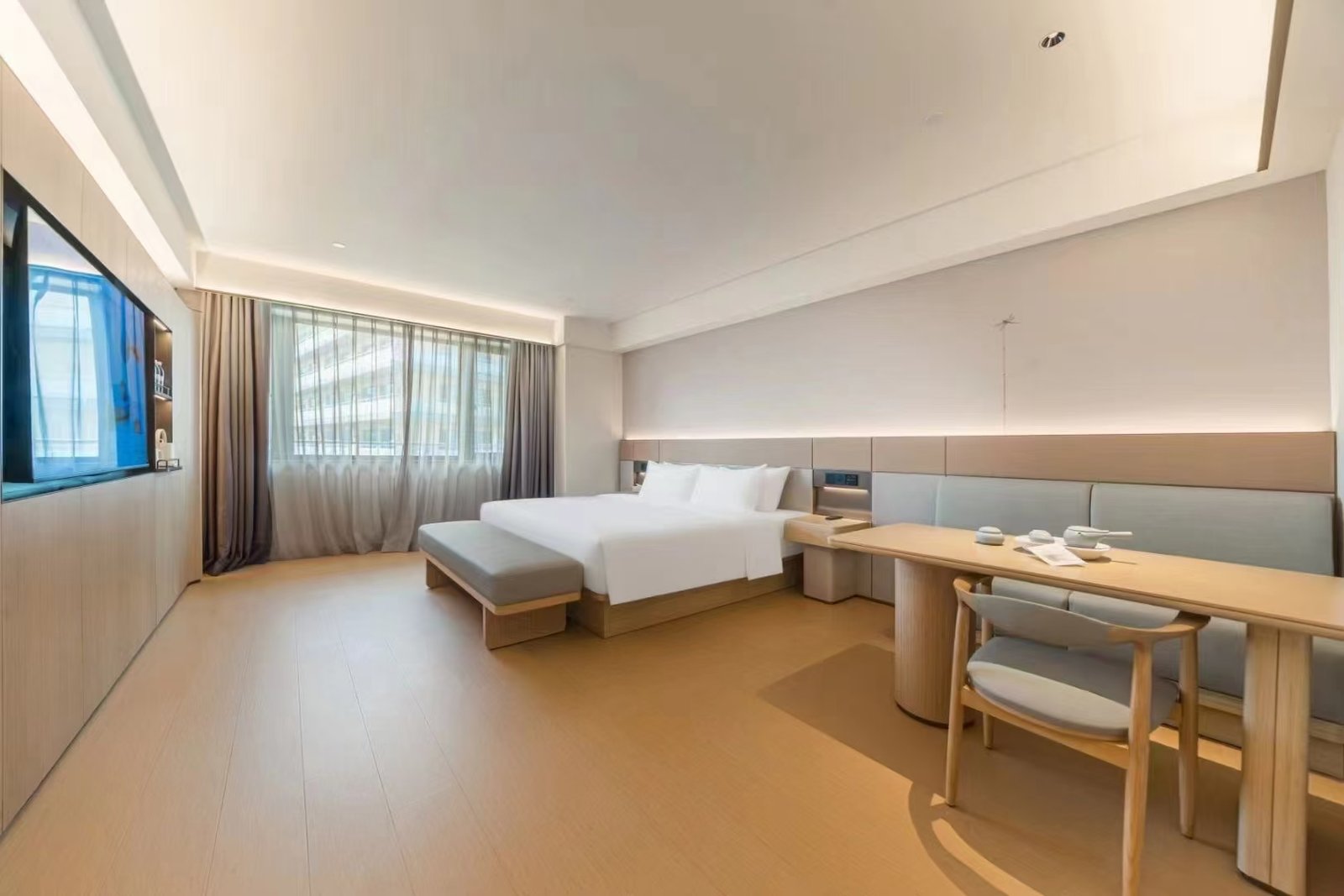
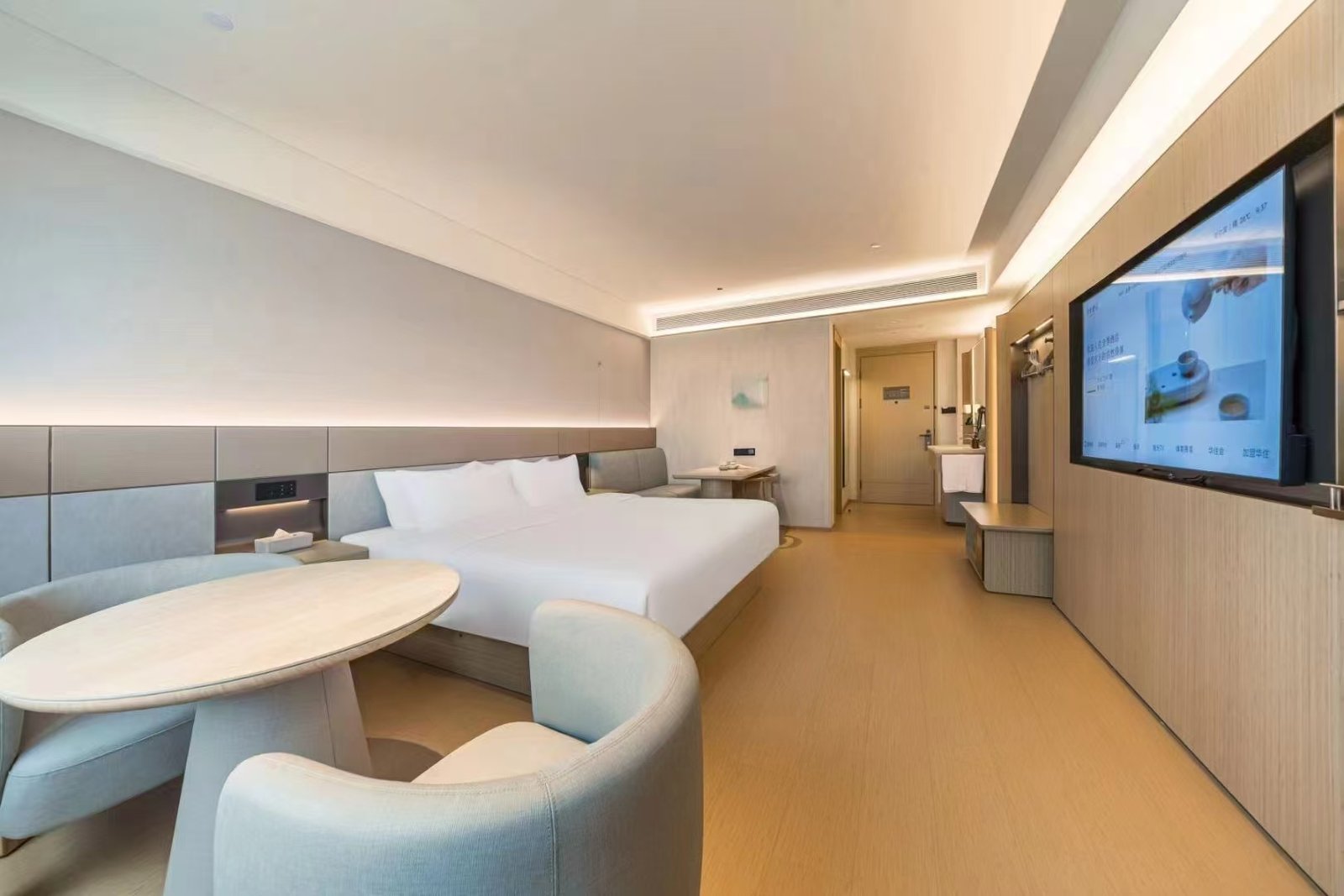
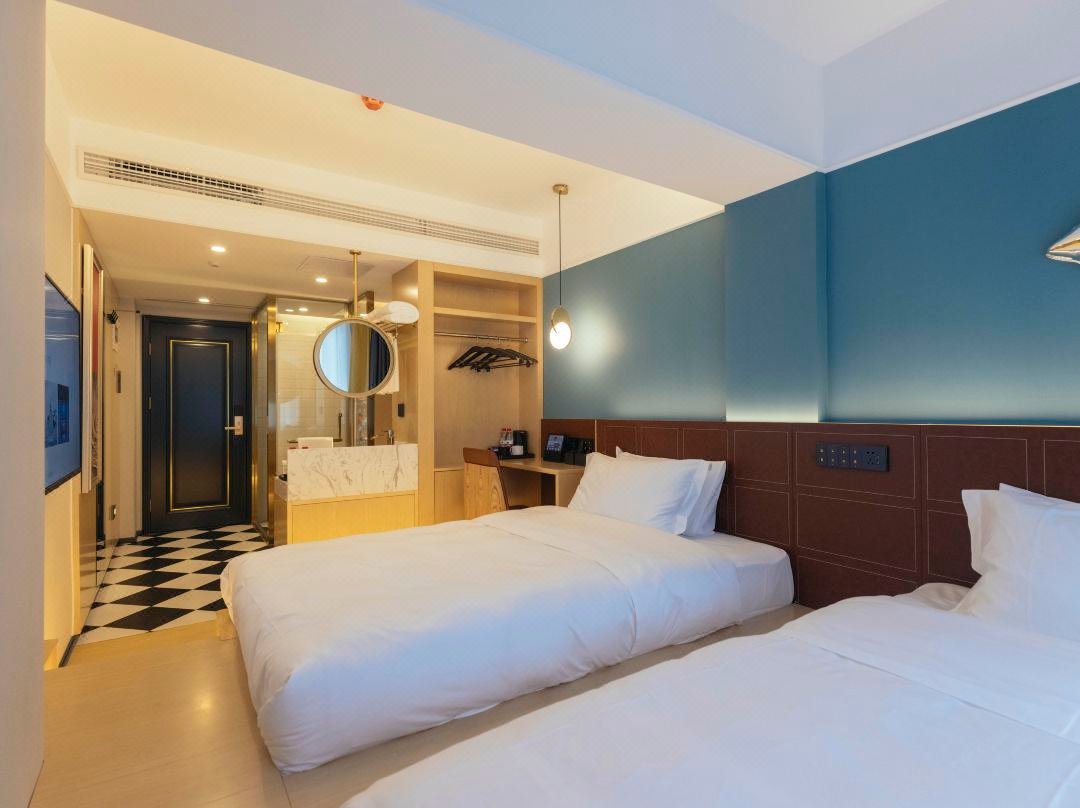
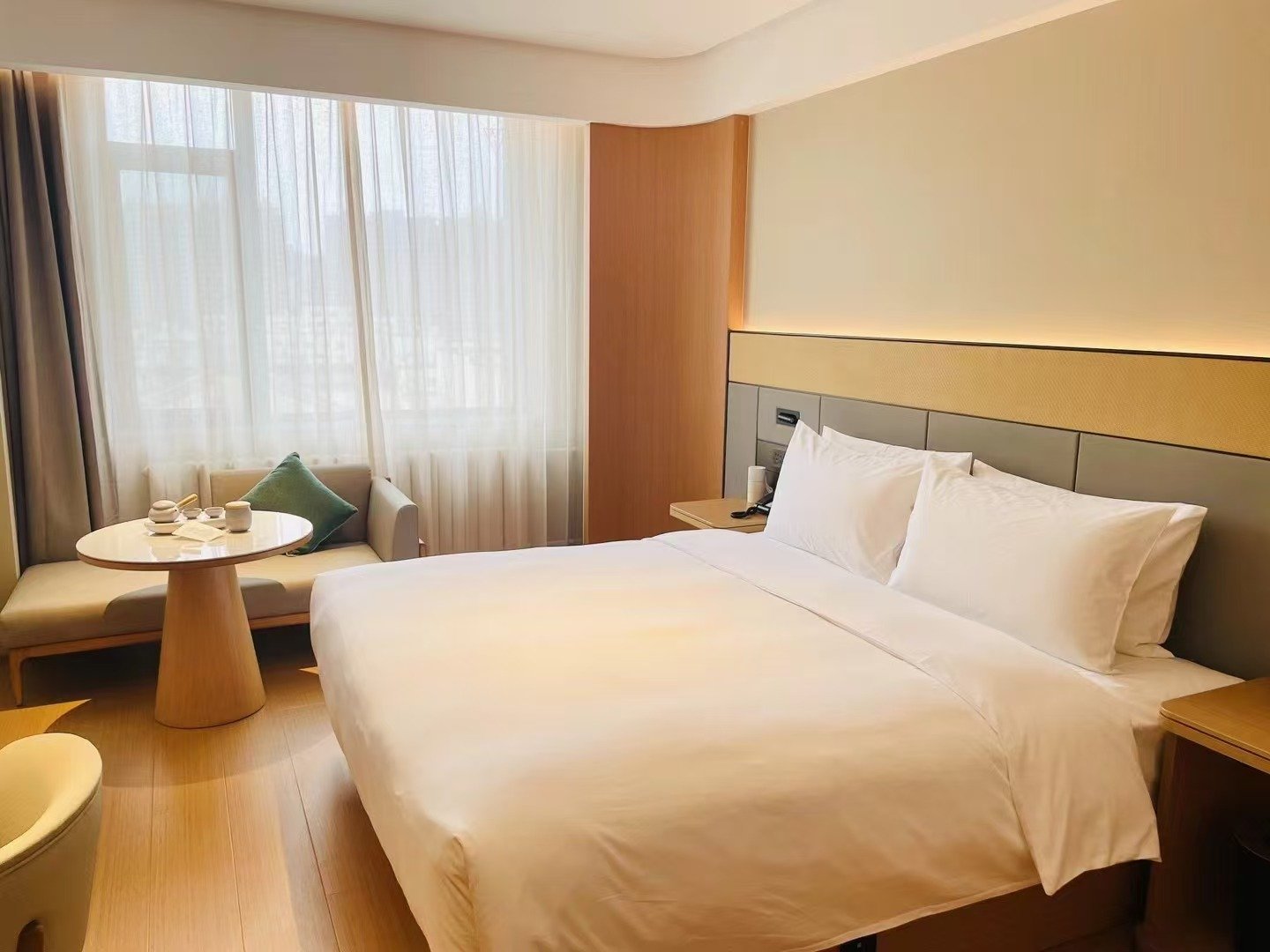
Although procurement teams may separate casegoods and loose furniture in a quotation, guests experience them as one room. The two groups therefore need to share a consistent design language.
Consider a typical king guest room:
| Furniture Item | Typical Group | Main Buyer Concern |
|---|---|---|
| Wardrobe | Casegoods | Storage layout, door clearance, hardware and finish |
| Bedside Cabinet | Casegoods | Dimensions, drawer operation and power-point coordination |
| Writing Desk | Casegoods | Work surface, cable access and room fit |
| Desk Chair | Loose Furniture | Seat height, comfort and relationship with desk height |
| Lounge Chair | Loose Furniture | Comfort, upholstery and room footprint |
| Bench / Ottoman | Loose Furniture | Luggage use, upholstery durability and placement |
This is why a complete hotel furniture package should normally be reviewed as a coordinated room rather than as a collection of unrelated products.
What Should Buyers Check When Ordering Hotel Casegoods?
Dimensions and Room Fit
Casegoods frequently sit close to walls, beds, doors and electrical points. Wardrobe depth, desk width, drawer clearance and bedside cabinet dimensions should therefore be checked against the latest room drawings.
Internal Configuration
A wardrobe specification should not stop at external dimensions. Shelves, hanging rails, drawers, minibar areas, safes and cable management should all be clearly shown where required.
Hardware
Hinges, drawer runners, handles and other hardware are used repeatedly in commercial hotel rooms. They should be specified rather than described only as “standard hardware.”
Finish Consistency
One approved sample may look good, but the real challenge is reproducing the same veneer tone, laminate, paint or stain across dozens or hundreds of rooms. Finish references should therefore be controlled before bulk production begins.
What Should Buyers Check When Ordering Loose Furniture?
Comfort
Seat height, seat depth, back angle, foam firmness and arm position work together. Upholstered seating should not be selected only from appearance or overall dimensions.
Frame Construction
Whether the structure is made from wood, metal or a combination of materials, the frame should be suitable for repeated hospitality use and remain stable during normal movement and loading.
Upholstery
Fabric or leather selection should consider color, texture, seam details, cleaning requirements and consistency between samples and mass production.
Furniture Footprint
A large lounge chair or sofa can reduce circulation in a compact guest room. The product should always be checked against the actual floor plan rather than evaluated in isolation.
One Project Still Needs One Material and Finish Standard
Separating casegoods and loose furniture in the BOQ should not result in two unrelated furniture systems.
For example, a hotel interior may repeat the same elements across several furniture types:
- A wood tone used on the wardrobe, desk and chair frame
- A metal finish shared by handles, chair legs and table bases
- Coordinated upholstery on headboards, benches and lounge chairs
- Similar edge, stitching or decorative details throughout the room
When a project contains many custom items, keeping these references under one approval system reduces the risk of noticeable differences after installation.
Our custom furniture solutions are designed around this type of project workflow, starting from drawings, BOQ and material requirements through sample development and bulk production.
How Should Casegoods and Loose Furniture Be Organized in a BOQ?
There is no single mandatory BOQ format. A practical structure is more important than the exact naming convention.
For example:
| Code | Furniture Item | Group | Additional Reference |
|---|---|---|---|
| CG-01 | Wardrobe | Casegoods | Room drawing + shop drawing |
| CG-02 | Bedside Cabinet | Casegoods | King / Twin room variation |
| CG-03 | Writing Desk | Casegoods | Power and cable requirements |
| LF-01 | Desk Chair | Loose Furniture | Fabric and finish reference |
| LF-02 | Lounge Chair | Loose Furniture | Approved sample required |
| LF-03 | Bench | Loose Furniture | Room-specific dimensions |
The BOQ should ideally connect each item with the latest quantity, room type, drawing and finish reference. This becomes particularly important when a hotel has several room configurations.
Can One Hotel Furniture Manufacturer Handle Both?
Yes, provided the manufacturer has the right production resources and project-management system.
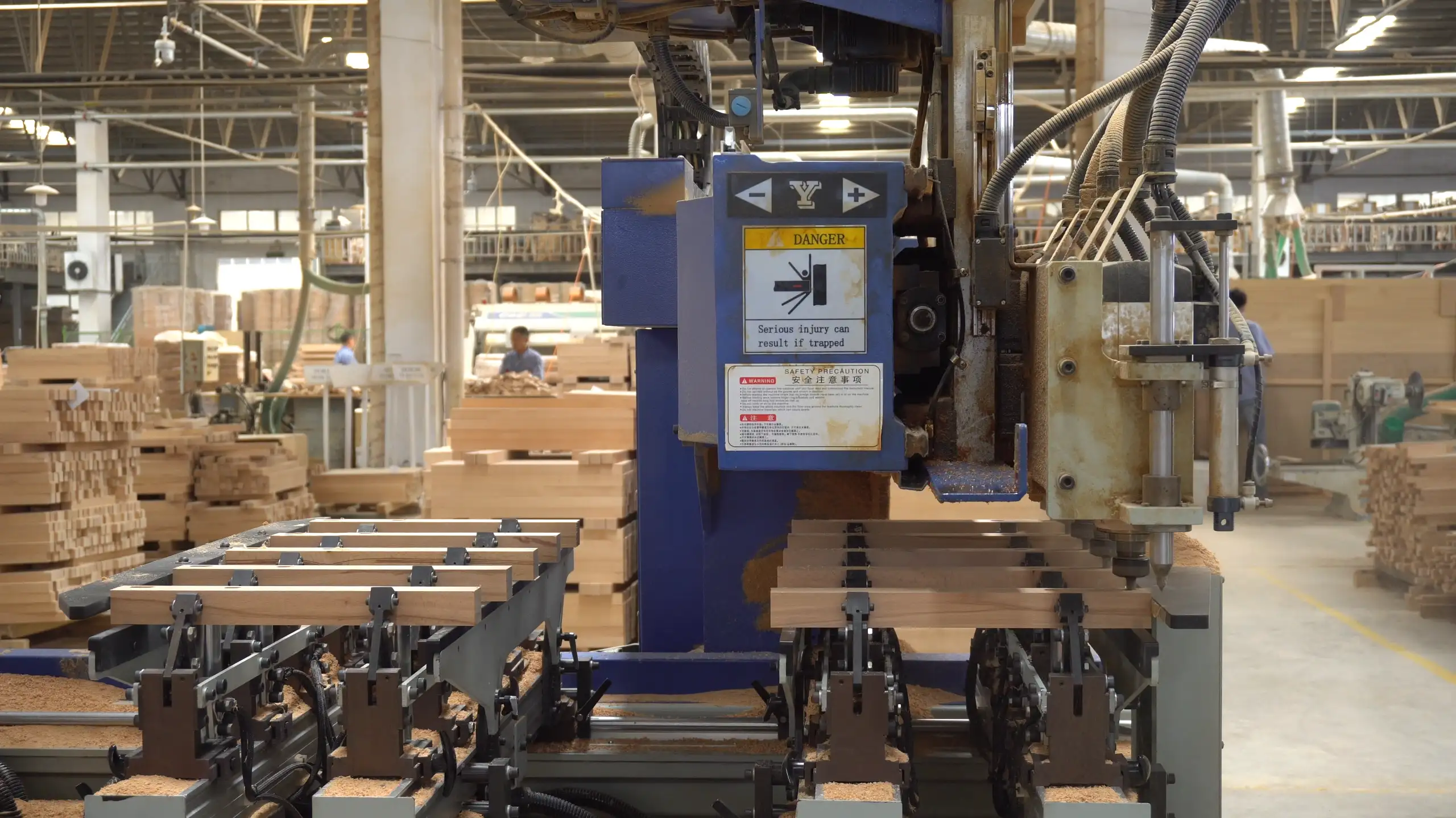
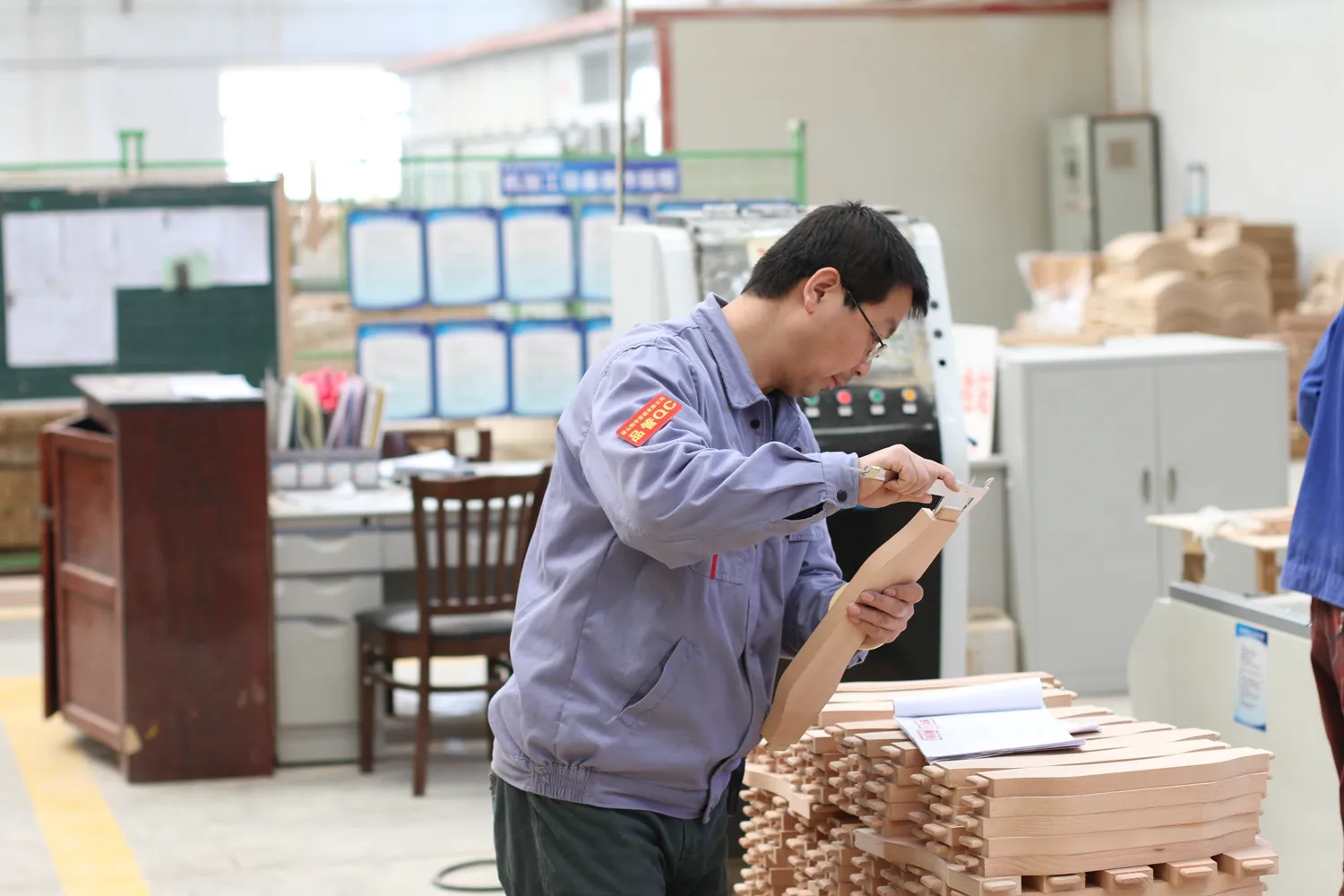
Casegoods may involve panel processing, woodworking, veneering and hardware installation, while loose furniture may involve solid-wood or metal frames, sewing, foam and upholstery. Coordinating both groups requires control over more than one manufacturing process.
For buyers, useful questions include:
- Which processes are completed internally?
- How are outsourced materials or components controlled?
- How are common finishes matched between different product groups?
- How are approved samples transferred into production standards?
- Who checks the complete room package before shipment?
If supplier capability is still being evaluated, our guide on how to choose a hotel furniture manufacturer for your project covers factory capability, sampling, quality control, communication and project risk in more detail.
Common Mistakes When Buying Casegoods and Loose Furniture
- Using reference images as the complete specification. Images communicate design direction but do not define construction, dimensions, materials or hardware.
- Using different finish references for different suppliers. Wood tone, metal color and upholstery can become visibly inconsistent after installation.
- Approving seating without checking comfort. Drawings cannot fully communicate foam firmness, seat depth or back support.
- Ignoring different room types. King rooms, twin rooms and suites may need different quantities or dimensions even when the furniture design is similar.
- Treating every item as an independent purchase. The final room still needs to work as one coordinated furniture package.
What Should Project Buyers Remember?
The difference between hotel casegoods and loose furniture is mainly useful as a procurement and manufacturing framework.
- Casegoods require close control of dimensions, storage functions, hardware and hard-surface finishes.
- Loose furniture requires more attention to comfort, upholstery, frame construction and proportions.
- Both groups should follow the same room layouts, material palette and approval standards.
- The BOQ should clearly connect each item with quantities, room types, drawings and finish references.
- Approved samples should become references for bulk-production consistency.
From the guest’s perspective, there is no distinction between “casegoods” and “loose furniture.” There is simply one hotel room. The best project results come when both furniture groups are developed and controlled as parts of the same environment.
Planning a Complete Hotel Furniture Package?
TSXY supports customized hotel casegoods and loose furniture for guest rooms and hospitality projects. Buyers can provide BOQ, room layouts, drawings, renderings or reference images for product development, material coordination, sampling and bulk production.
Explore TSXY Hotel Furniture | View Custom Solutions