
Table of contents
- An Outdoor Restaurant Is Not Just an Indoor Dining Room Without Walls
- Which Materials Work Best for Restaurant Patios?
- How Sunlight and Rain Affect Furniture Finishes
- Choose Patio Tables That Match the Dining Operation
- Comfort and Layout Still Matter Outdoors
- Should Patio Furniture Be Stackable or Foldable?
- How to Review Outdoor Furniture Samples Before Ordering
- Bulk Purchasing and Replacement Planning
- Build a Patio That Is Practical Beyond the First Season
A restaurant patio can be one of the most appealing parts of a dining business. On a pleasant evening, guests may prefer an outdoor table over an indoor seat, and a well-arranged terrace can create an atmosphere that is difficult to reproduce inside.
But outdoor furniture faces conditions that indoor dining chairs and tables rarely experience. Sunlight, rain, humidity, temperature changes and frequent movement all affect how furniture performs over time.
When choosing restaurant patio furniture, buyers need to think beyond appearance. A chair that works perfectly inside a café may not be suitable for an uncovered terrace, and a beautiful tabletop may require more maintenance than the restaurant can comfortably manage.
The right outdoor furniture should fit the dining concept, local weather conditions and everyday operational needs.
An Outdoor Restaurant Is Not Just an Indoor Dining Room Without Walls
The first mistake buyers can make is treating outdoor seating as an extension of the indoor furniture specification.
An indoor chair may have the correct dimensions, an attractive finish and comfortable upholstery. However, that does not mean its materials and construction are suitable for repeated exposure to outdoor conditions.
The actual environment matters.
A covered hotel terrace in a relatively dry climate has different requirements from an uncovered restaurant patio in a coastal city. A rooftop dining area may also experience stronger wind exposure than a protected courtyard.
Before reviewing product styles, identify how the patio will be used and what conditions the furniture will encounter.
| Outdoor dining environment | Main concerns | Buying considerations |
|---|---|---|
| Covered restaurant terrace | Humidity, occasional rain and cleaning | Suitable finishes and moisture management |
| Uncovered sidewalk patio | Rain, sunlight and frequent movement | Outdoor-rated materials and practical handling |
| Coastal restaurant | Salt exposure, humidity and corrosion | Appropriate corrosion-resistant construction |
| Rooftop dining | Wind exposure and temperature changes | Stability, secure arrangements and operational safety |
| Poolside restaurant | Moisture, splashes and cleaning chemicals | Suitable materials and surface maintenance |
| Seasonal patio | Storage and repeated setup | Furniture weight, storage requirements and protection |
A furniture specification suitable for one of these settings may not be appropriate for another.
The project should begin with the real operating environment, not simply the preferred color or design.
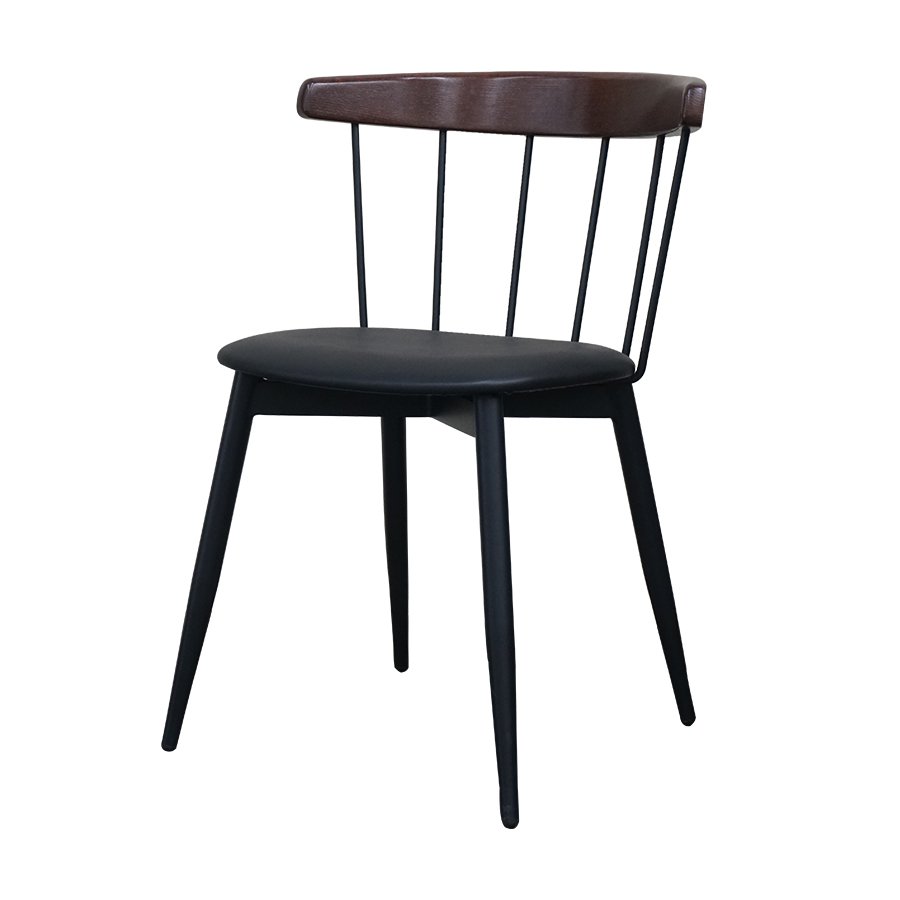
Which Materials Work Best for Restaurant Patios?
Outdoor dining furniture is available in many materials, but their performance depends on the exact specifications and surface treatments.
Instead of asking which material is universally best, buyers should compare the material against the exposure conditions and maintenance expectations.
Aluminum Furniture
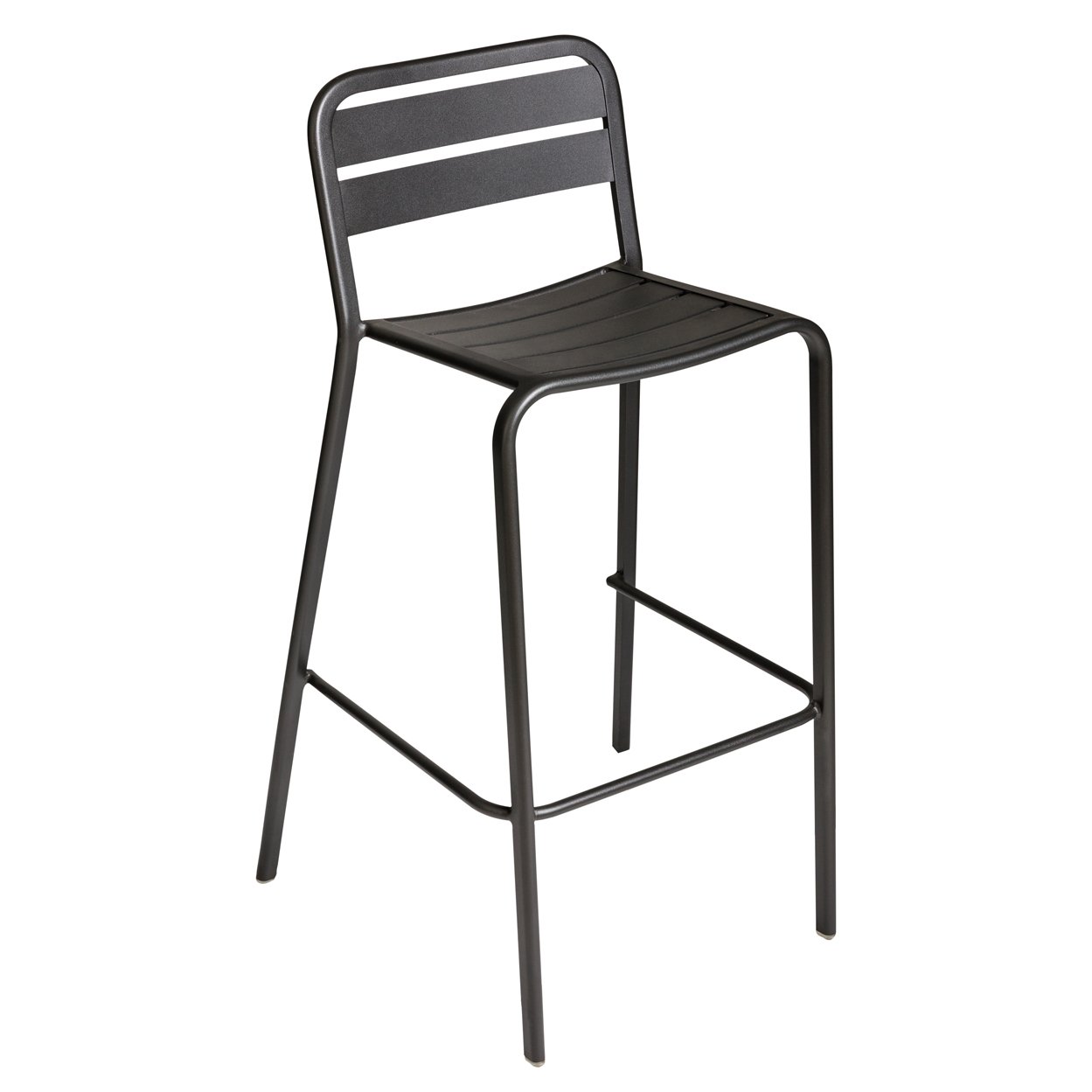
Aluminum is commonly used for outdoor furniture because of its relatively low weight and natural resistance to red rust.
It can be practical for restaurants that regularly rearrange tables and chairs.
However, aluminum furniture still requires appropriate construction, surface finishing and hardware selection. Its suitability for a particular environment should not be assumed from the material name alone.
Steel Furniture
Steel frames can support a wide range of furniture designs and may be suitable for outdoor applications when appropriately protected.
The quality and completeness of the protective coating matter, particularly around joints, edges and exposed connection points.
If the finish becomes damaged, underlying steel may be exposed to corrosion.
For coastal or consistently wet environments, buyers should pay additional attention to the corrosion protection specification.
Outdoor Wood Furniture
Wood can provide a natural appearance that suits garden restaurants, terraces and hospitality environments.
However, different wood species and finishes respond differently to moisture, sunlight and changes in humidity.
Buyers should confirm the actual wood material, protective treatment and expected maintenance requirements.
Not every wooden dining chair is suitable for outdoor use.
Synthetic Wicker and Outdoor Upholstery
Synthetic wicker may be considered for certain patio seating designs, but the quality of the woven material and supporting frame is important.
For upholstered outdoor seating, fabric, foam and cushion construction should be selected for the intended exposure conditions.
Even with outdoor-specified materials, cushions may require protective storage during prolonged rain or when the patio is not in use.
| Material | Potential advantage | Important consideration |
|---|---|---|
| Aluminum | Relatively lightweight and resistant to red rust | Frame construction, coating and hardware |
| Protected steel | Broad design and structural options | Corrosion protection and coating damage |
| Outdoor-suitable wood | Natural material appearance | Maintenance, moisture and UV exposure |
| Synthetic wicker | Textured appearance and design flexibility | UV resistance, weave quality and frame |
| Outdoor upholstery | Additional comfort | Drying, cleaning and storage requirements |
No material should be considered maintenance-free under all outdoor conditions.
How Sunlight and Rain Affect Furniture Finishes
Outdoor furniture is exposed to conditions that can gradually change its appearance.
Sunlight may affect certain coatings, plastics, fabrics and surface colors. Rain and standing moisture can also create problems where water collects around joints or enters vulnerable materials.
A product may look excellent when delivered but develop uneven fading or finish deterioration if its materials are not appropriate for the environment.
For metal furniture, ask about the coating system and its intended outdoor application.
For wooden furniture, confirm the protective finish and any recommended periodic maintenance.
For synthetic materials, ask for relevant information about UV exposure and material performance where available.
Buyers should avoid treating the phrase “weather-resistant” as a complete technical specification.
It is more useful to understand which materials are used, what exposure conditions they are intended for and what maintenance is necessary.
Consider Water Drainage
Water should not remain trapped unnecessarily in seats, tabletops or frame sections.
The design of the furniture may include drainage openings, suitable surface slopes or construction details intended to reduce water accumulation.
These features should be reviewed alongside the material specification.
A waterproof surface alone does not guarantee that every part of the furniture assembly can tolerate outdoor exposure.
Choose Patio Tables That Match the Dining Operation
Outdoor restaurant tables need to support normal dining service while accommodating the limitations of the patio space.
A small café may prefer compact round tables that can be rearranged easily. A restaurant serving groups may need larger rectangular tables or several smaller tables that can be combined.
In either case, the tabletop and base should be evaluated as a complete unit.
A large tabletop fitted to an unsuitable base can create stability problems, particularly where guests lean on the table or where the furniture is exposed to wind.
The base footprint, tabletop dimensions, connection method and floor conditions all matter.
Wind Exposure Deserves Special Attention
Outdoor tables and chairs may be affected by gusts, particularly on open rooftops or exposed terraces.
Heavy furniture is not automatically safe in strong wind, and lightweight furniture is not automatically unsuitable.
The complete design, operating conditions and any required securing or storage procedures should determine whether the furniture can be used safely.
Restaurant operators should establish appropriate procedures for severe weather rather than assuming furniture will remain secure in every condition.
Tabletop Maintenance
Outdoor tabletops may encounter rainwater, food spills, sunscreen residue, cleaning products and changes in temperature.
Buyers should review the surface material, edge construction and cleaning recommendations before ordering.
For tables with wood-look finishes, confirm whether the appearance comes from actual wood, laminate, composite or another surface material.
These products can look similar while having very different maintenance requirements.
Comfort and Layout Still Matter Outdoors
A patio can have excellent furniture materials and still provide a poor dining experience if the seating layout is uncomfortable.
Outdoor seating often competes for space with planters, umbrellas, heaters, service stations and circulation routes.
Tables and chairs should be positioned with enough practical clearance for guests and restaurant staff.
For upholstered chairs or lounge-style seating, consider how long guests are expected to remain outside and how the seating will be cleaned.
For casual dining, compact chairs may be easier to rearrange. For hotel terraces or longer dining experiences, more supportive seating may be appropriate.
The selection should match the restaurant concept rather than following a single design rule.
Don’t Forget Floor Conditions
Outdoor surfaces may include paving, decking, tile or other materials.
Some surfaces have drainage slopes or minor unevenness.
Furniture should be evaluated on the actual intended flooring, with appropriate glides or feet where needed.
Buyers should also consider whether frequent movement could damage the flooring or create excessive noise.
Should Patio Furniture Be Stackable or Foldable?
For some restaurants, the ability to store furniture efficiently is a major operational advantage.
A seasonal patio may need to be cleared for several months. An urban restaurant may need to bring tables and chairs indoors every evening.
In these situations, stackable or folding furniture can reduce storage difficulties.
However, those features should be confirmed for the actual model.
A chair that looks compact is not necessarily designed to stack, and a folding table should have an appropriate locking and support arrangement.
Before selecting a storage-oriented design, ask:
- Is the product specifically designed to stack or fold?
- What are the manufacturer’s recommended handling instructions?
- How much storage space is required?
- Can staff move the furniture safely and conveniently?
- Are the finishes protected during storage?
- Will frequent setup and removal affect joints or hardware?
For furniture stored outdoors, protective covers may be useful in some conditions, but they should not trap moisture against sensitive materials.
A practical storage plan can be just as important as the original furniture design.
How to Review Outdoor Furniture Samples Before Ordering
For a restaurant patio project, a sample review should reflect the actual intended outdoor conditions.
Begin by confirming that the proposed model is specified for outdoor use.
Then review the construction, finishing details and operational features.
| Sample review | What to verify |
|---|---|
| Material specification | Suitable for the intended exposure conditions |
| Frame and joints | Construction details and visible finish quality |
| Protective coating | Coverage around joints, edges and connections |
| Hardware | Suitability for outdoor exposure |
| Seat and tabletop | Water management and cleaning requirements |
| Floor-contact parts | Stability and compatibility with the patio surface |
| Chair comfort | Seat proportions and backrest support |
| Table stability | Performance of the complete tabletop and base assembly |
| Storage | Handling and storage instructions, where applicable |
For large projects, buyers may also request suitable material or product testing information where required by the specification.
An informal outdoor demonstration is useful for assessing handling and appearance, but it cannot establish long-term weathering performance.
Where different furniture finishes are included in a project, sample approval should also confirm that the selected colors and materials work together.
Bulk Purchasing and Replacement Planning
Outdoor restaurant furniture purchasing should include consideration of future replacement and maintenance.
A restaurant may eventually need additional chairs, replacement glides or matching tables for an expanded patio.
For restaurant groups operating multiple locations, consistent furniture specifications can help maintain a recognizable design across separate projects.
Before bulk production, record the selected model numbers, dimensions, materials, finish references and any project-specific modifications.
If the design includes cushions or upholstery, document those materials separately.
Changes to frame finishes, tabletop materials or upholstery can affect the appearance and maintenance requirements of the furniture.
For commercial projects, buyers can discuss material selections, finishes and project requirements through TSXY’s Custom Furniture Solutions.
Any proposed modifications should be confirmed for technical feasibility and suitability for the intended outdoor environment.
Build a Patio That Is Practical Beyond the First Season
A successful restaurant patio should offer more than attractive furniture on opening day.
The seating should remain comfortable for guests, manageable for staff and appropriate for the local climate.
Material selection, protective finishes, water management, table stability and storage requirements all play a part.
The right approach is to evaluate the outdoor environment first, then select furniture whose construction and maintenance requirements suit that environment.
For restaurant owners, contractors and hospitality procurement teams, this can help reduce avoidable replacement costs and make outdoor dining operations easier to manage.
Explore TSXY’s commercial restaurant furniture range or share your patio project requirements to discuss suitable furniture styles, materials and customization options.