
Table of contents
- Outdoor Furniture Can Fail Even When It Looks Commercial Grade
- Water Exposure Changes the Material Requirements
- Strong Sunlight Can Change Color and Surface Performance
- Lightweight Furniture Is Useful Until Guests Start Moving It
- Comfort Has to Work with Fast Drying and Easy Cleaning
- The Layout Should Leave Space for Guests and Hotel Staff
- Replacement and Maintenance Matter More Than They Seem
- Poolside Furniture Should Be Specified for the Environment, Not Just the Design
Choosing hotel poolside furniture is not simply about finding outdoor chairs and tables that match the hotel design. Pool areas expose furniture to sunlight, moisture, cleaning chemicals, wet swimwear and frequent movement throughout the day.
A product can look suitable in a catalog and still become difficult to maintain after one season of commercial use.
For hotel buyers, the real question is whether the furniture can continue to look presentable, remain stable and stay comfortable after repeated outdoor use.
Outdoor Furniture Can Fail Even When It Looks Commercial Grade
Poolside furniture often appears simple. A chair, lounge seat or side table may have only a few visible components, but each part is exposed to a harsher environment than most indoor hotel furniture.
Common issues usually appear gradually rather than immediately.
Metal finishes begin to deteriorate
Scratches, poor coating coverage or unsuitable surface treatment can allow corrosion to develop in exposed areas.
Furniture becomes unstable
Repeated movement, uneven outdoor flooring and loose fasteners can cause chairs or tables to wobble.
Fabric and cushioning change quickly
Materials that perform well indoors may retain moisture, fade or become difficult to clean when used around a pool.
These problems are usually connected to material selection and construction rather than appearance alone.
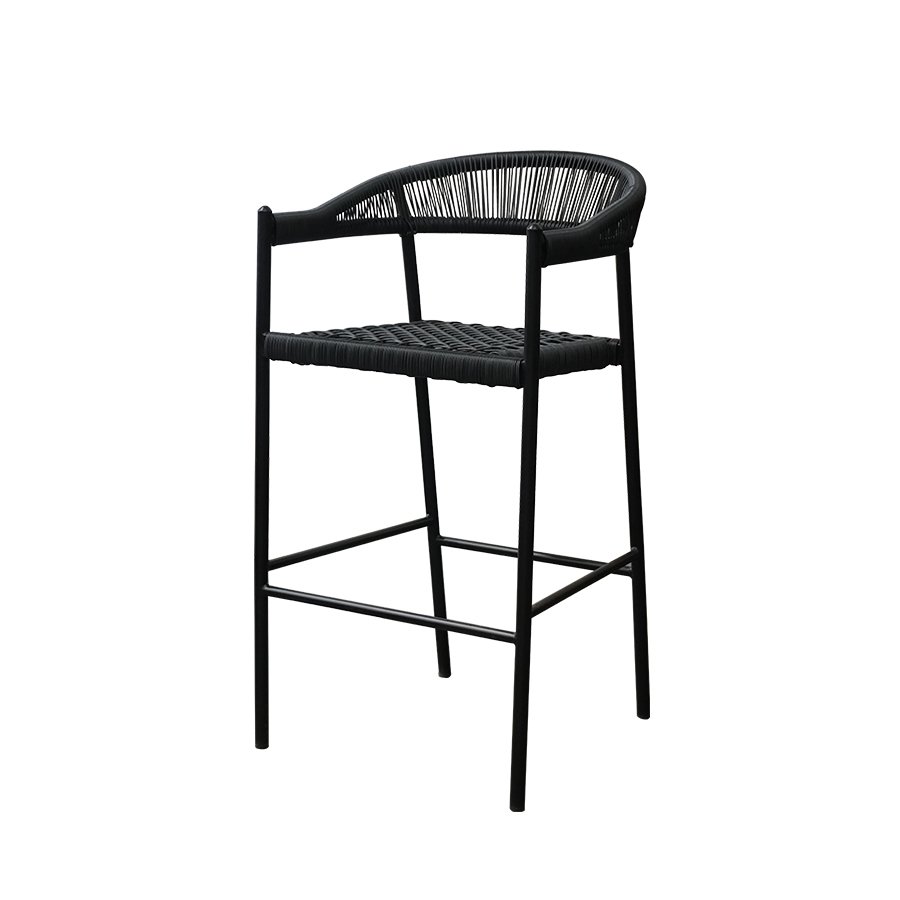
Water Exposure Changes the Material Requirements
Poolside furniture does not need to be underwater to face moisture problems.
Guests sit down in wet swimwear. Staff wash surrounding floors. Rain can reach exposed seating. Water may remain around legs and bases for long periods.
This means buyers should look carefully at how different materials react to repeated moisture.
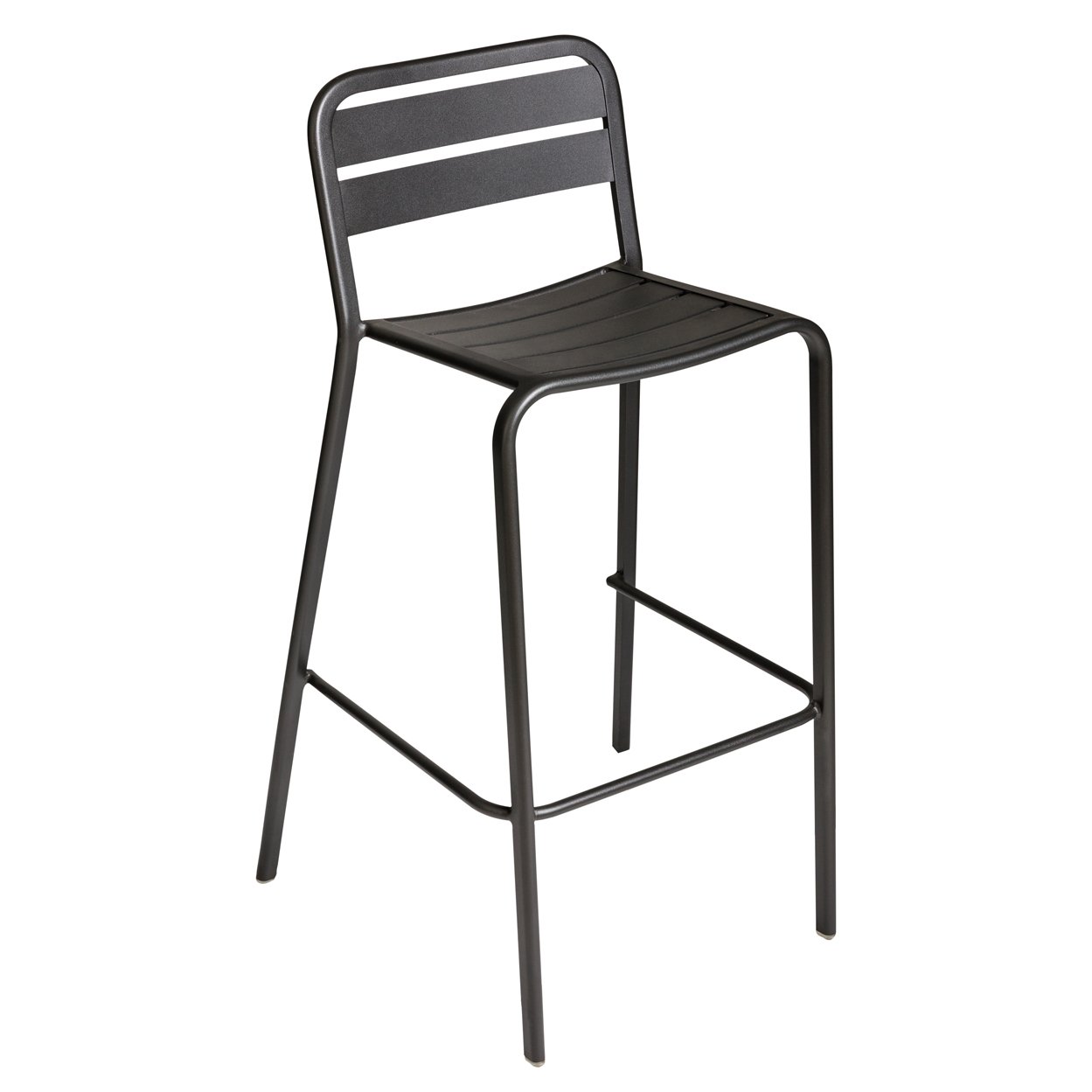
Metal frames
Aluminum is commonly used for outdoor furniture because of its corrosion resistance and relatively low weight. Steel can also be used, but coating quality and protection of welds, joints and exposed edges become especially important.
Wood components
Wood species, moisture movement and surface protection all matter outdoors. Even a visually attractive finish can deteriorate quickly if the material and coating system are not appropriate for the environment.
Panel materials
Indoor panel products should not automatically be transferred to exposed poolside applications. Buyers need to understand whether the selected material is suitable for moisture and outdoor conditions.
The most important point is that the visible finish should not be considered separately from the material underneath it.
Strong Sunlight Can Change Color and Surface Performance
Moisture is only part of the challenge. Pool furniture can spend many hours every day under direct sunlight.
Over time, UV exposure can affect fabrics, plastics, coatings and wood finishes differently.
This can create several visible problems:
- fabric fading
- surface discoloration
- uneven color between shaded and exposed areas
- coating deterioration
- plastic becoming brittle
For this reason, an outdoor fabric should not be selected only because the color matches the hotel design.
The buyer should also understand whether the fabric is intended for outdoor or high-exposure applications and how the supplier expects it to perform under repeated sunlight.
The same applies to powder coatings and painted surfaces. A finish sample may look excellent indoors but still need additional consideration for outdoor exposure.
Lightweight Furniture Is Useful Until Guests Start Moving It
Hotel pool areas are constantly changing during the day.
Guests move chairs closer together. Staff rearrange furniture. Loungers may be repositioned to follow the sun. Tables are shifted during cleaning.
Lightweight furniture makes these tasks easier, but reducing weight too far can create another problem: instability.
A chair needs enough stability
The frame should remain balanced when guests sit down, stand up or move the chair across different outdoor surfaces.
A table base should suit the top
A relatively large tabletop combined with an undersized base can become unstable, especially in exposed outdoor areas.
Furniture should also survive repeated movement
Joints, glides and frame connections experience additional stress when furniture is moved every day.
The goal is not to make every item heavy. It is to balance mobility with commercial stability.
Comfort Has to Work with Fast Drying and Easy Cleaning
Indoor hotel lounge furniture can prioritize soft upholstery and deep cushioning. Poolside seating has a different set of demands.
Guests may use the furniture while wet, and hotel staff need to return the seating to service quickly after cleaning or rain.
Deep cushions can feel comfortable but may become impractical if they hold moisture for too long.
This creates a trade-off between:
comfort, drainage, drying time and maintenance.
For upholstered outdoor seating, buyers should look at the complete cushion system rather than only the fabric.
That includes the cover material, foam or filling, drainage design and whether the cushion can be removed or replaced easily.
In some pool areas, sling seating, woven materials or ventilated surfaces may be more practical than heavily upholstered furniture.
The Layout Should Leave Space for Guests and Hotel Staff
Even well-made furniture can create problems if too much of it is placed around the pool.
A poolside layout needs enough seating capacity, but it also needs circulation for guests, housekeeping staff and maintenance teams.
Furniture should not block:
- main walking routes
- pool access points
- service paths
- doors and gates
- safety equipment
- drainage areas
The relationship between different products also matters.
A lounge chair may work better with a compact side table than a full-size dining table. Dining areas may need heavier tables and more defined seating positions. Casual lounge zones can use more flexible furniture arrangements.
For buyers sourcing several types of hotel furniture for hospitality projects, the pool area should therefore be treated as its own functional zone rather than simply another place to use standard outdoor products.
Replacement and Maintenance Matter More Than They Seem
One of the easiest things to overlook during purchasing is what happens after a component is damaged.
A hotel may continue using the same outdoor furniture for several years. During that period, individual parts may need replacement long before the complete product does.
Buyers should consider whether common components can be replaced separately.
Cushions and fabric covers
Removable components can make cleaning and replacement easier without replacing the complete chair or lounger.
Glides and feet
These small parts receive substantial wear and may need replacement after repeated movement.
Hardware
Fasteners and connectors should be accessible enough for routine maintenance where necessary.
For hotel groups operating multiple properties, replacement consistency can become even more important. A product that cannot be reproduced two years later may create visible differences when damaged furniture needs to be replaced.
Poolside Furniture Should Be Specified for the Environment, Not Just the Design
Good hotel poolside furniture should look appropriate for the hotel, but appearance is only the starting point.
The furniture has to deal with moisture, direct sunlight, repeated movement, wet guests, cleaning and long daily operating hours.
That means buyers should review the product as a complete system:
frame + finish + seating material + hardware + maintenance + layout.
A stylish lounge chair with the wrong fabric is not a good outdoor product. A corrosion-resistant frame with poor stability is not enough either. The specification needs to work as a whole.
For hospitality projects, this is also why outdoor furniture should be discussed with the supplier in terms of the actual application rather than simply asking for an “outdoor version” of an indoor product.
The clearer the environment and use requirements are before production, the easier it becomes to select materials and construction that can remain practical after the hotel opens.