
Table of contents
- Quality Gate 1: Confirm the Production Standard Before Manufacturing
- Quality Gate 2: Check Materials Before They Disappear Inside the Furniture
- Quality Gate 3: Catch Problems During Production, Not After 200 Pieces Are Finished
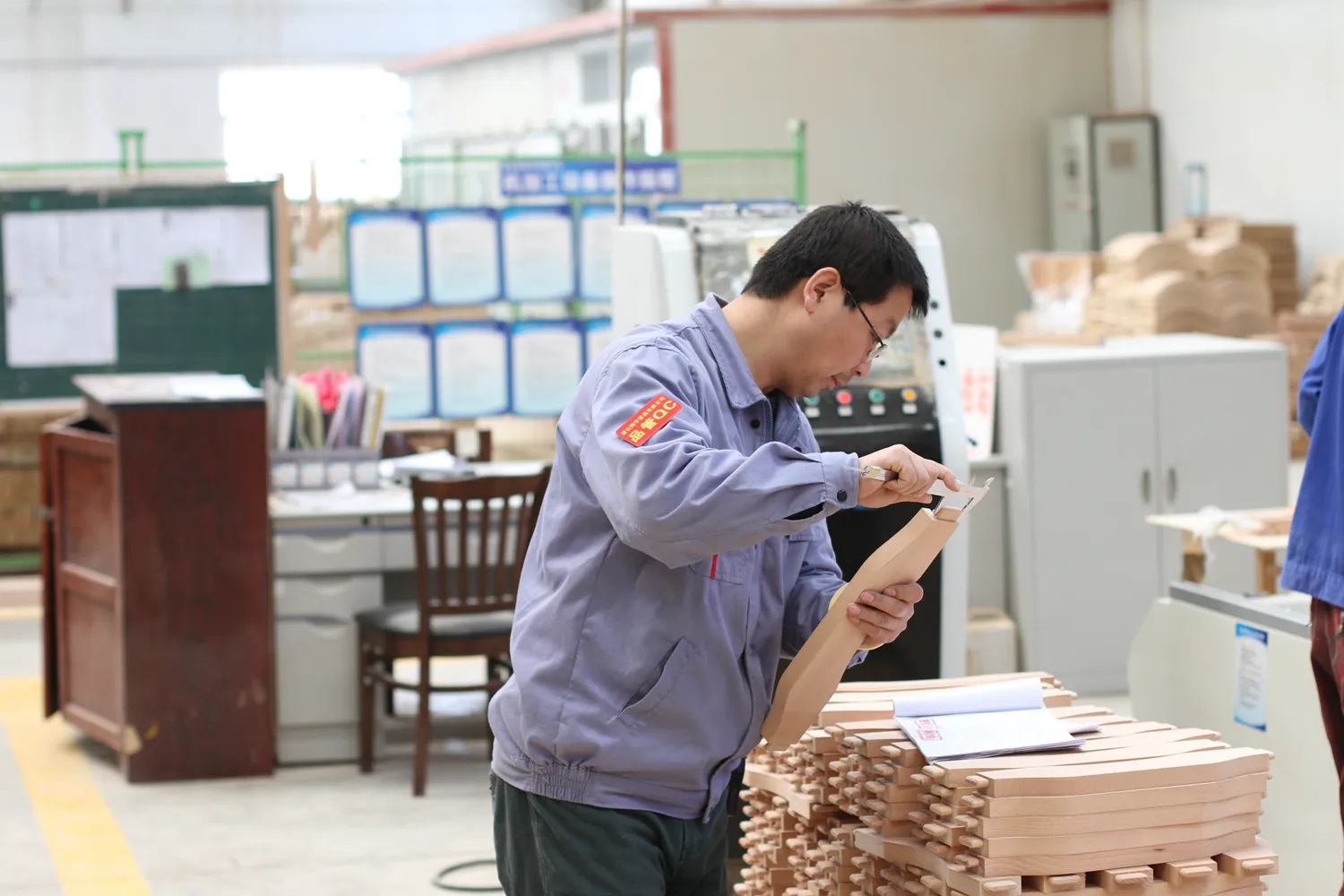
- Quality Gate 4: Check Dimensions Against the Drawing
- Quality Gate 5: Compare Finishes Under Consistent Conditions
- Quality Gate 6: Test Every Product That Moves
- Quality Gate 7: Inspect Upholstery From More Than One Meter Away
- Quality Gate 8: Check the Products Together, Not Only One by One
- Quality Gate 9: Do Not Ignore the Bottom, Back and Inside
- Quality Gate 10: Packaging Is Part of Furniture Quality
- The Final Inspection: Four Questions Decide Whether the Order Is Ready
- What Should an Inspection Record Include?
- Not Every Defect Has the Same Importance
- What Happens When the Inspection Finds a Problem?
A hotel furniture order should not reach the final inspection stage with hundreds of unanswered questions.
Good hotel furniture quality control starts before the first finished chair, cabinet or table is packed. Materials, dimensions, construction, finishes and approved samples all need to be controlled during production so that the final inspection confirms quality rather than discovers the project for the first time.
For hotel owners, procurement companies and contractors, the objective is simple: the furniture arriving on site should match the approved specification, not merely look acceptable from a distance.
The final inspection should verify an agreed standard — not create a new standard.
Quality Gate 1: Confirm the Production Standard Before Manufacturing
Quality control begins with documents.
Before mass production starts, the factory and buyer should be working from the same information:
- Latest furniture drawings
- Approved dimensions
- Material specifications
- Wood and metal finish references
- Approved fabric or leather
- Hardware requirements
- Approved furniture sample where applicable
- Latest revision record
If the drawing says one thing while the approved sample shows another, production quality becomes difficult to control from the beginning.
This is why the final approved hotel furniture sample should normally remain an important QC reference during production.
Quality Gate 2: Check Materials Before They Disappear Inside the Furniture
Some of the most important furniture components become invisible once the product is finished.
Chair frames are covered by foam and upholstery. Cabinet structures disappear behind panels and finishes. Hardware is installed inside drawers and doors.
Material control should therefore happen before these components are hidden.
For Wood and Casegoods
Inspect whether the specified panels, wood components, veneer and hardware are being used.
Important points may include:
- Panel type and thickness
- Solid wood components
- Veneer species
- Edge treatment
- Drawer runners
- Hinges
- Handles and fittings
For Upholstered Furniture
Check:
- Internal frame construction
- Joint quality
- Seat support structure
- Foam specification
- Production fabric
Once upholstery is complete, checking these details becomes much harder.
For Metal Components
Metal frames and bases should be reviewed before final coating or plating where necessary.
Typical points include:
- Tube or profile dimensions
- Welding
- Grinding
- Frame alignment
- Connection points
Quality Gate 3: Catch Problems During Production, Not After 200 Pieces Are Finished
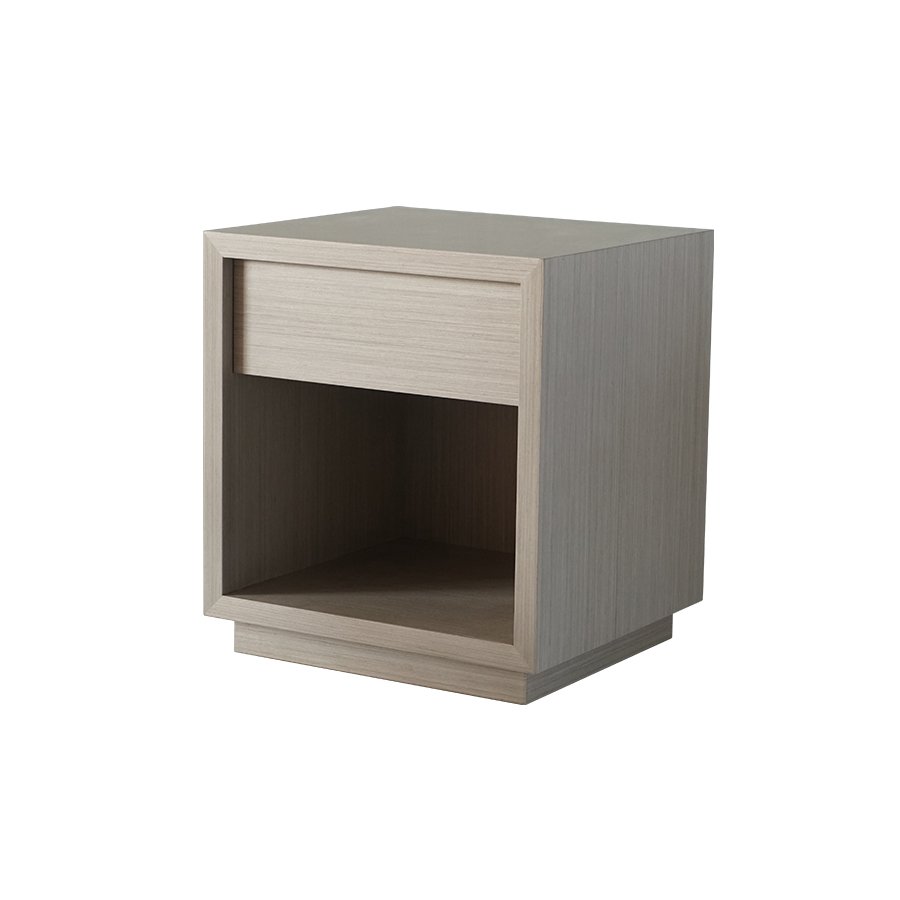
Imagine a hotel project includes 220 identical bedside cabinets.
The first 20 pieces are produced with a drawer gap that is slightly too large.
If nobody checks them, the same issue may continue through another 200 cabinets.
An in-process inspection changes the situation.
The factory identifies the problem after the first production batch, adjusts the process and prevents the defect from being repeated.
This is one of the main reasons why furniture quality control should not be limited to the final day before shipment.
Quality Gate 4: Check Dimensions Against the Drawing
Furniture can look correct and still be dimensionally wrong.
This matters particularly for hotel projects because furniture often needs to fit around:
- Walls
- Power outlets
- Lighting
- Beds
- Doors
- Other furniture
A wardrobe that is 30 mm too wide may create a real installation problem even if its finish is perfect.
Inspection should therefore verify key dimensions rather than judging appearance alone.
Typical Dimensions to Confirm
Depending on the product:
- Overall width
- Overall depth
- Overall height
- Seat height
- Tabletop height
- Drawer dimensions
- Door clearance
- Hole positions
- Installation points
Quality Gate 5: Compare Finishes Under Consistent Conditions
Finish consistency is particularly important in hotel projects because identical furniture is repeated across many rooms.
A small color difference may not be obvious when two cabinets are inspected separately.
Place them side by side and the difference may become immediately visible.
Wood, metal and painted finishes should therefore be compared against the approved reference and against other pieces from the same production batch.
Look Beyond Color
Finish inspection can include:
- Color tone
- Gloss level
- Wood grain appearance
- Surface smoothness
- Paint coverage
- Metal coating consistency
- Visible scratches
- Edge finishing
A finish can technically be the correct color and still fail because the surface quality is inconsistent.
Quality Gate 6: Test Every Product That Moves
Some furniture should not be inspected while standing still.
If it has a moving part, operate it.
For cabinets:
- Open drawers
- Close doors
- Check hinges
- Test handles
- Check alignment
For chairs:
- Sit on them
- Check stability
- Apply reasonable movement
- Inspect joints
For tables:
- Check wobbling
- Inspect the base
- Check tabletop fixing
A product may pass a visual inspection and fail a functional inspection within seconds.
Quality Gate 7: Inspect Upholstery From More Than One Meter Away
Upholstery defects can be difficult to notice when the inspector focuses only on one seam.
First inspect the entire product from normal viewing distance.
Look for:
- Uneven seat shape
- Different cushion thickness
- Wrinkles
- Asymmetry
- Incorrect fabric direction
Then move closer and inspect:
- Stitching
- Piping
- Corner finishing
- Fabric tension
- Seam alignment
A hotel may order dozens of the same lounge chair, so consistency between pieces matters as much as the appearance of one individual chair.
Quality Gate 8: Check the Products Together, Not Only One by One
This is especially important for complete guest-room furniture packages.
A wardrobe may pass inspection.
A bedside cabinet may pass inspection.
A desk may pass inspection.
But place all three together and their wood tones may not match.
For coordinated furniture packages, inspectors should compare related products together.
| Furniture Group | What to Compare |
|---|---|
| Wardrobe + Bedside Cabinet + Desk | Wood tone, grain and hardware |
| Dining Chairs | Frame finish, upholstery and dimensions |
| Lounge Chairs + Sofa | Fabric color, stitching and cushion shape |
| Tables | Top finish, edge detail and base finish |
| Metal Furniture | Coating color and gloss consistency |
Quality Gate 9: Do Not Ignore the Bottom, Back and Inside
Furniture photographs usually show the front and top.
Quality problems often hide somewhere else.
During a physical inspection, also look at:
- Back panels
- Undersides
- Inside drawers
- Cabinet interiors
- Chair bottoms
- Table connections
- Hidden fixing points
These locations can reveal poor workmanship that is easy to miss during a quick visual inspection.
Quality Gate 10: Packaging Is Part of Furniture Quality
Furniture can leave the factory in perfect condition and arrive at the hotel damaged.
That means packaging should be part of the final inspection.
Buyers should consider:
- Corner protection
- Surface protection
- Carton strength
- Foam or protective materials
- Hardware packing
- Product identification
- Assembly instructions where necessary
Large furniture may require different protection from chairs or small casegoods.
The packaging method should match the product and transport route rather than applying one standard carton to everything.
The Final Inspection: Four Questions Decide Whether the Order Is Ready
At the final stage, the inspection can be reduced to four practical questions.
Does It Match the Approved Specification?
Check drawings, materials, finishes, dimensions and agreed revisions.
Does It Work?
Operate doors, drawers, chairs, tables and other functional components.
Is the Production Consistent?
Do not evaluate only the best piece. Compare multiple items from the production quantity.
Can It Survive Delivery?
Confirm that packaging is suitable before the furniture is loaded.
What Should an Inspection Record Include?
A useful inspection should leave evidence behind.
This may include:
- Product code
- Inspection quantity
- Measured dimensions
- Photos
- Defects found
- Required corrections
- Final status
Simply saying “quality is okay” gives the project team very little information if a problem appears later.
Not Every Defect Has the Same Importance
A small scratch on a hidden surface and an unstable dining chair should not be treated equally.
Inspection findings should be considered according to:
Function
Does the problem affect how the product works?
Safety
Could the issue create instability or another risk?
Appearance
Will the defect be visible in the finished hotel room?
Consistency
Is it one isolated issue or repeated throughout production?
Repairability
Can the problem be corrected properly before shipment?
What Happens When the Inspection Finds a Problem?
The next step should depend on the defect.
Some problems can be corrected directly:
- Hardware adjustment
- Surface cleaning
- Minor finish repair
- Packaging improvement
Other issues may require:
- Product rework
- Component replacement
- Reproduction
- Another inspection
The important point is that correction should happen before the furniture leaves the factory whenever possible.
Good Quality Control Makes the Final Inspection Less Dramatic
A successful pre-shipment inspection should not be full of surprises.
When material approval, in-process checks, sample control and production inspections have already been handled correctly, the final inspection becomes a confirmation stage.
That is the real purpose of hotel furniture quality control: preventing problems from being repeated across a complete hospitality project.
For buyers, quality should therefore be managed throughout the order rather than inspected only after production is finished.
Need to Review Furniture Production for a Hotel Project?
TSXY manufactures customized hotel and commercial furniture covering casegoods, tables, dining chairs, lounge seating, sofas, benches and other project furniture.
Project buyers can provide drawings, BOQ, approved samples and quality requirements for production and inspection coordination.
View Our Factory | Explore Hotel Furniture | Custom Furniture Solutions