
Table of contents
- Start with the Furniture Schedule
- Can the Manufacturer Produce the Furniture You Actually Need?
- Why Drawings and Specifications Matter More Than Catalogue Photos
- How to Compare Restaurant Furniture Quotations
- A Sample Can Reveal More Than a Long Presentation
- Can the Supplier Maintain Consistency Across Bulk Orders?
- Production Scheduling Is Part of Supplier Evaluation
- Questions Worth Asking Before Choosing a Manufacturer
- Choose a Manufacturing Partner, Not Just a Catalogue
A restaurant group is preparing to open three new locations. The interior design has been approved, the furniture schedule is nearly complete, and several suppliers have submitted quotations.
One supplier offers the lowest price. Another has an impressive furniture catalogue. A third asks for detailed drawings and material specifications before quoting.
Which one should the purchasing team choose?
For commercial projects, selecting a restaurant furniture manufacturer involves more than comparing chair designs or unit prices. Buyers need to understand whether the supplier can deliver the required furniture specifications consistently, manage customization and communicate clearly throughout production.
The right manufacturer is not necessarily the largest or cheapest. It is the one whose capabilities match the project’s requirements.
Start with the Furniture Schedule
Before contacting manufacturers, buyers should organize what the restaurant actually needs.
A furniture schedule should identify the main products, expected quantities, dimensions and material requirements. If several locations are involved, it should also show which products are shared across locations and which require different specifications.
Consider a restaurant project with the following requirements:
| Furniture type | Illustrative quantity | Main specification concern |
|---|---|---|
| Dining Chairs | 120 | Frame construction and upholstery |
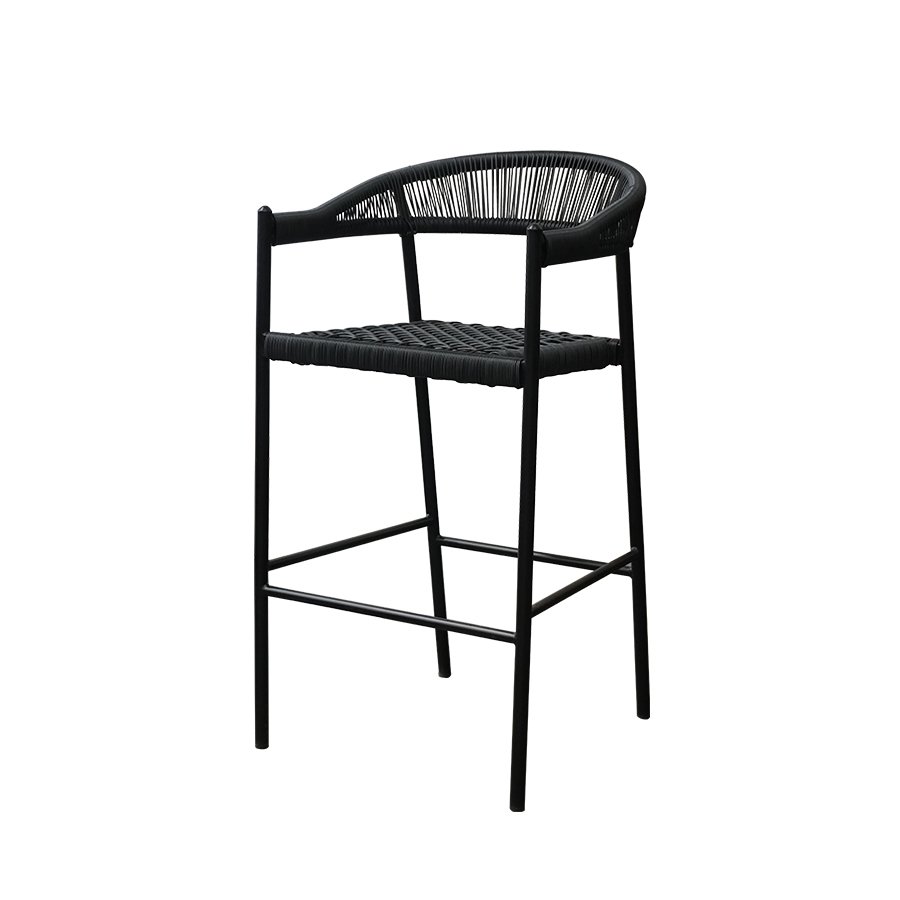
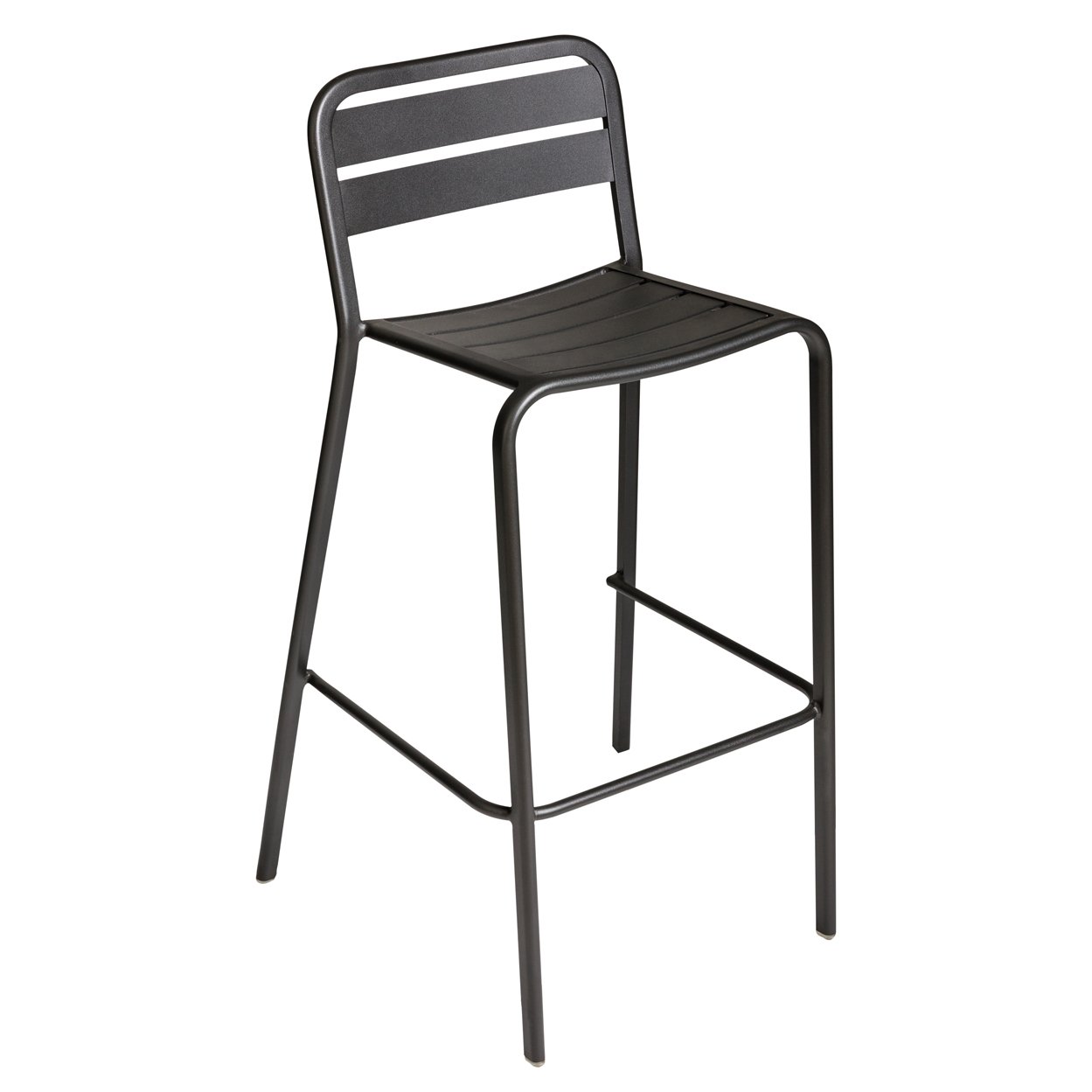
| Bar Stools | 36 | Seat height and footrest |
| Dining Tables | 45 | Top material and base stability |
| Booth Seating | 18 sets | Dimensions and upholstery |
| Outdoor Chairs | 40 | Suitability for outdoor exposure |
These are example quantities, not a standard restaurant package.
A manufacturer receiving this information can better understand the project’s scope than one receiving a message asking only for “your best restaurant furniture price.”
Providing specifications early also helps prevent quotations based on different assumptions.
Can the Manufacturer Produce the Furniture You Actually Need?
A factory may be experienced in wooden dining chairs but have limited capability in upholstered booths or metal table bases.
Another manufacturer may specialize in contract seating but outsource certain components.
Neither arrangement is automatically a problem.
What matters is whether the supplier understands its production scope and can manage the required specifications.
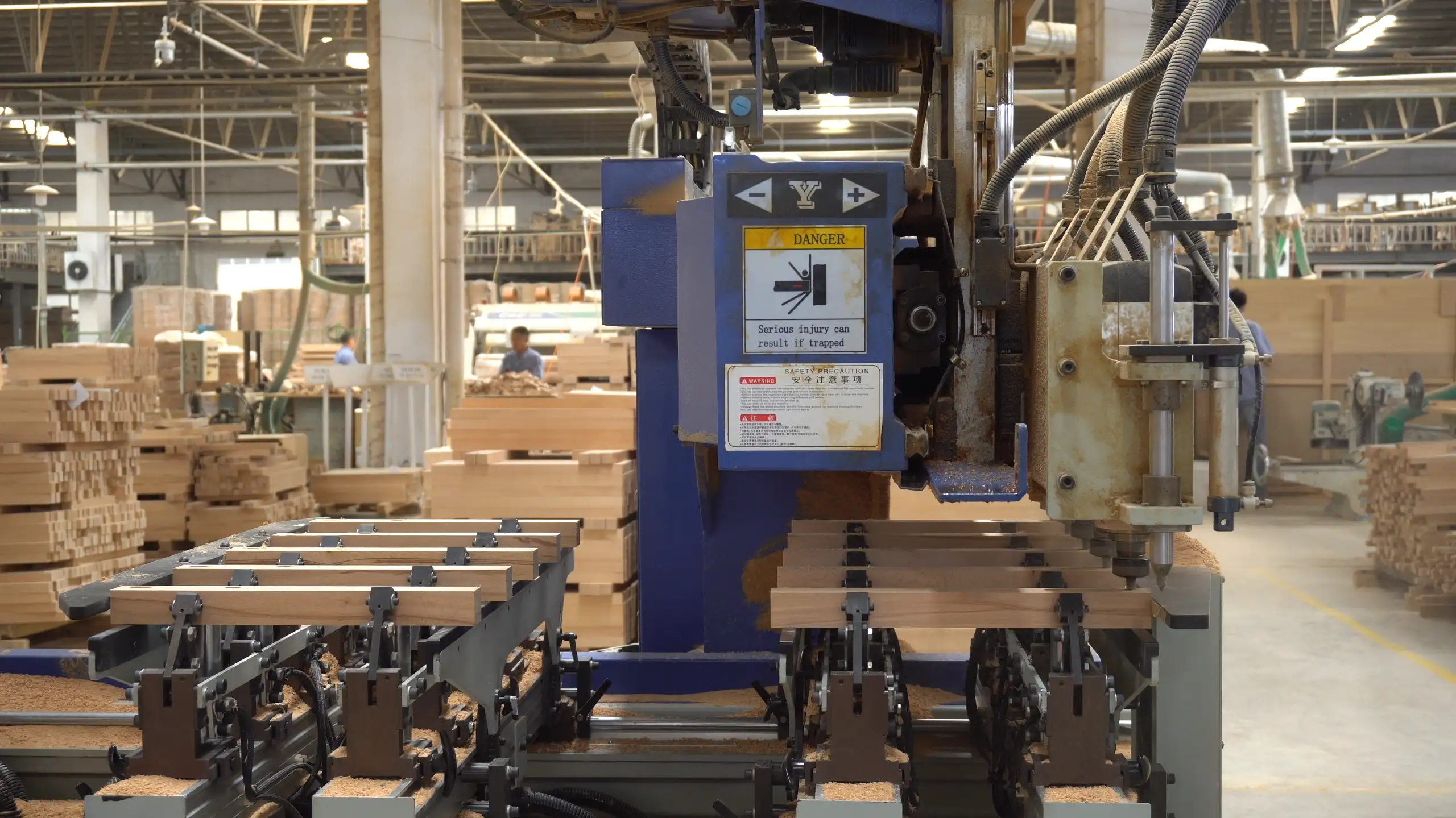
For a mixed furniture project, ask which product categories are manufactured in-house, which processes are outsourced and how the supplier coordinates production.
Manufacturing Capabilities to Review
- Woodworking: Joinery, wood components, panel construction and finishing.
- Metal Fabrication: Frame construction, welding and protective finishes.
- Upholstery: Foam, fabric, synthetic leather and cushion construction.
- Custom Production: Drawing interpretation, material approval and dimensional modifications.
- Bulk Manufacturing: Maintaining consistent specifications across the order.
A supplier does not necessarily need to own every production process. However, buyers should understand who is responsible for technical decisions, inspections and resolving problems when multiple production partners are involved.
Why Drawings and Specifications Matter More Than Catalogue Photos
Furniture catalogues are useful for selecting styles, but they rarely contain all the details required for production.
A photograph does not confirm the internal frame construction, material grade, upholstery specification or actual dimensions.
Suppose two suppliers quote for a similar-looking upholstered restaurant chair.
The first quotation mentions a metal frame and fabric seat.
The second identifies the frame material, finish, seat construction, upholstery reference and dimensions.
The products may appear similar, but the quotations are not necessarily comparable.
For custom restaurant furniture, buyers should ask the manufacturer to review drawings and confirm critical details before production.
This is particularly important for booth seating, where wall dimensions, seating depth and installation conditions can vary significantly.
The purpose of drawings is not simply to communicate appearance. They establish what the manufacturer is expected to produce.
How to Compare Restaurant Furniture Quotations
The lowest quotation is not always the lowest total project cost.
One supplier may include packaging and finish customization, while another may quote only a standard product with basic packaging.
A comparison should separate price from specification and supply terms.
| Quotation item | What buyers should confirm |
|---|---|
| Unit Price | Product specification used for pricing |
| Materials | Frame, tabletop, upholstery and finish details |
| Customization | Included options and additional charges |
| Samples | Sample cost and approval arrangements |
| Packaging | Packing method and protection |
| Order Quantity | MOQ and quantity assumptions |
| Production Lead Time | Estimated period and starting conditions |
| Delivery Terms | EXW, FOB or other agreed Incoterms |
| Quality Inspection | Inspection scope and timing |
| Payment Terms | Deposit and balance payment conditions |
This information makes price differences easier to understand.
For overseas purchases, logistics and import-related costs should also be considered. An EXW quotation and an FOB quotation cannot be compared purely by their unit prices.
If important details are missing, request clarification before selecting a supplier.
A Sample Can Reveal More Than a Long Presentation
A factory presentation may show equipment, workshops and previous furniture designs.
These materials can provide useful background, but a physical sample offers a more direct opportunity to evaluate the proposed product.
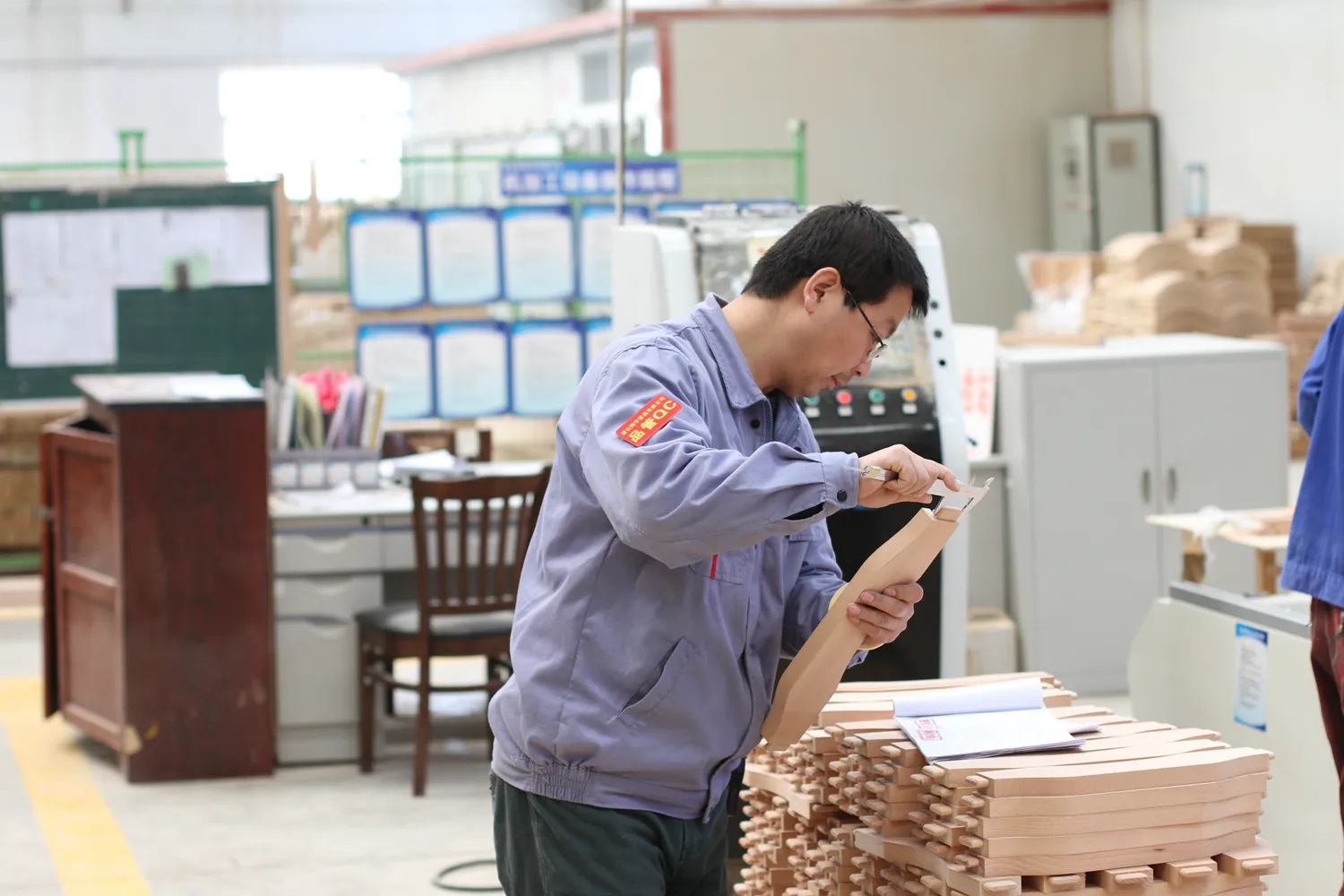
For a restaurant chair, inspect the frame connections, seat support, upholstery attachment and surface finish.
For a table, review the edge construction, tabletop-to-base connection and stability.
For booth seating, confirm the dimensions, cushion construction and upholstery details against the approved drawings.
What Should Happen After Sample Approval?
A sample should become a documented reference for the production order.
Buyers and manufacturers should record the approved materials, dimensions, finish codes and any changes agreed during the review.
If the sample is modified, the revised specification should be confirmed before mass production begins.
Sample approval does not guarantee that every production unit will match perfectly. It gives the project team a reference against which production can be checked.
Can the Supplier Maintain Consistency Across Bulk Orders?
Imagine ordering 200 dining chairs for a restaurant chain.
The first ten chairs look correct, but later units show differences in upholstery color, backrest alignment or surface finishing.
Even when individual variations seem small, they can become noticeable when the furniture is installed together.
For commercial furniture projects, production consistency deserves specific attention.
Buyers should discuss how the supplier manages:
- Approved material and finish references
- Product dimensions and construction
- Upholstery batch differences
- First-article or initial production checks
- In-process inspections
- Final inspection before packing
- Identification of products for repeat orders
Inspection requirements should reflect the product and project specifications.
If independent testing or third-party inspection is required, the scope, acceptance criteria and responsibilities should be agreed before production.
A manufacturer’s ability to explain these procedures clearly can be more useful than a general promise of excellent quality.
Production Scheduling Is Part of Supplier Evaluation
Restaurant opening schedules are often connected to renovation work, equipment installation, inspections and staff preparation.
Furniture delays can disrupt the final stages of a project.
However, buyers should avoid expecting a reliable manufacturer to promise a fixed production date before drawings, materials and sample requirements have been confirmed.
A realistic production schedule should identify important milestones.
| Project milestone | What needs to be confirmed |
|---|---|
| Specification Review | Final products and technical requirements |
| Sample Approval | Materials, finishes and dimensions |
| Material Preparation | Availability of selected components |
| Production | Confirmed manufacturing schedule |
| Quality Inspection | Required checks and acceptance criteria |
| Packaging & Dispatch | Packing method and shipment arrangements |
For multi-location projects, buyers may also need phased shipments or separate product identification for each restaurant.
Discuss these arrangements early rather than after the furniture is manufactured.
A clear production schedule is valuable, but consistent communication when circumstances change is equally important.
Questions Worth Asking Before Choosing a Manufacturer
After reviewing specifications, samples and quotations, the purchasing team should be able to answer several practical questions.
Can the supplier manufacture the required product mix?
A catalogue containing hundreds of products does not automatically prove that the factory can produce every one of them to the required specification.
Who will review technical drawings and material changes?
Buyers should know how technical questions will be handled and how approved modifications will be documented.
What happens if a sample does not meet expectations?
Clarify the revision and approval process, including any cost or schedule implications.
How will bulk production be checked?
Ask about inspection checkpoints and whether the project requires additional testing or third-party verification.
Can the same specifications be used for future orders?
For restaurant chains, material references and repeatable product details can be important when opening new locations.
How are defects or shortages handled?
The quotation or purchase agreement should establish responsibilities, reporting procedures and reasonable remedies.
These questions are particularly useful when comparing manufacturers offering similar furniture at different prices.
Choose a Manufacturing Partner, Not Just a Catalogue
Restaurant furniture purchasing involves a combination of design, technical specifications, manufacturing and project coordination.
An attractive catalogue helps buyers discover products, but successful project delivery depends on what happens after the furniture is selected.
The manufacturer should understand the intended use, confirm materials and dimensions, establish sample references and manage production against agreed specifications.
For a single restaurant, this can reduce uncertainty before opening. For a restaurant chain, it can also make future purchases easier to coordinate.
Explore TSXY’s commercial restaurant furniture collection for dining chairs, bar stools, tables and other restaurant furniture options.
For projects requiring coordinated finishes, drawings or custom specifications, our Custom Furniture Solutions page explains how to discuss your requirements.