
Table of contents
- Start with the Hotel Type and Room Standard
- Define the Complete Furniture Package Before Asking for Quotes
- Materials Should Be Selected for Use, Not Appearance Alone
- Check Furniture Dimensions Against the Actual Room Layout
- Approve a Representative Sample Before Bulk Production
- Evaluate the Manufacturer as a Project Partner, Not Just a Price Source
- Quality Control Should Follow the Approved Standard
- Final Hotel Furniture Procurement Checklist
- A Better Quotation Starts with Better Project Information
- Planning a Hotel Furniture Project?
Buying hotel furniture is not simply a matter of choosing beds, chairs and tables that look good in a catalogue. A project buyer also has to manage room layouts, quantities, materials, finishes, sample approval, production consistency, quality control and delivery schedules. A small mistake at the specification stage can become a repeated problem across dozens or hundreds of rooms.
This hotel furniture buying guide focuses on the decisions that should be made before an order moves into production. It is intended for hotel owners, procurement teams, contractors, designers and other project buyers who need furniture that can be reproduced consistently for commercial hospitality use. Before RFQ Confirm room types, quantities, furniture scope, dimensions and expected materials before comparing quotations. Before Production Approve drawings, finishes, upholstery, hardware and representative samples so production has a clear reference. Before Shipment Check product consistency, dimensions, appearance, packing details and project documentation before release.
Start with the Hotel Type and Room Standard
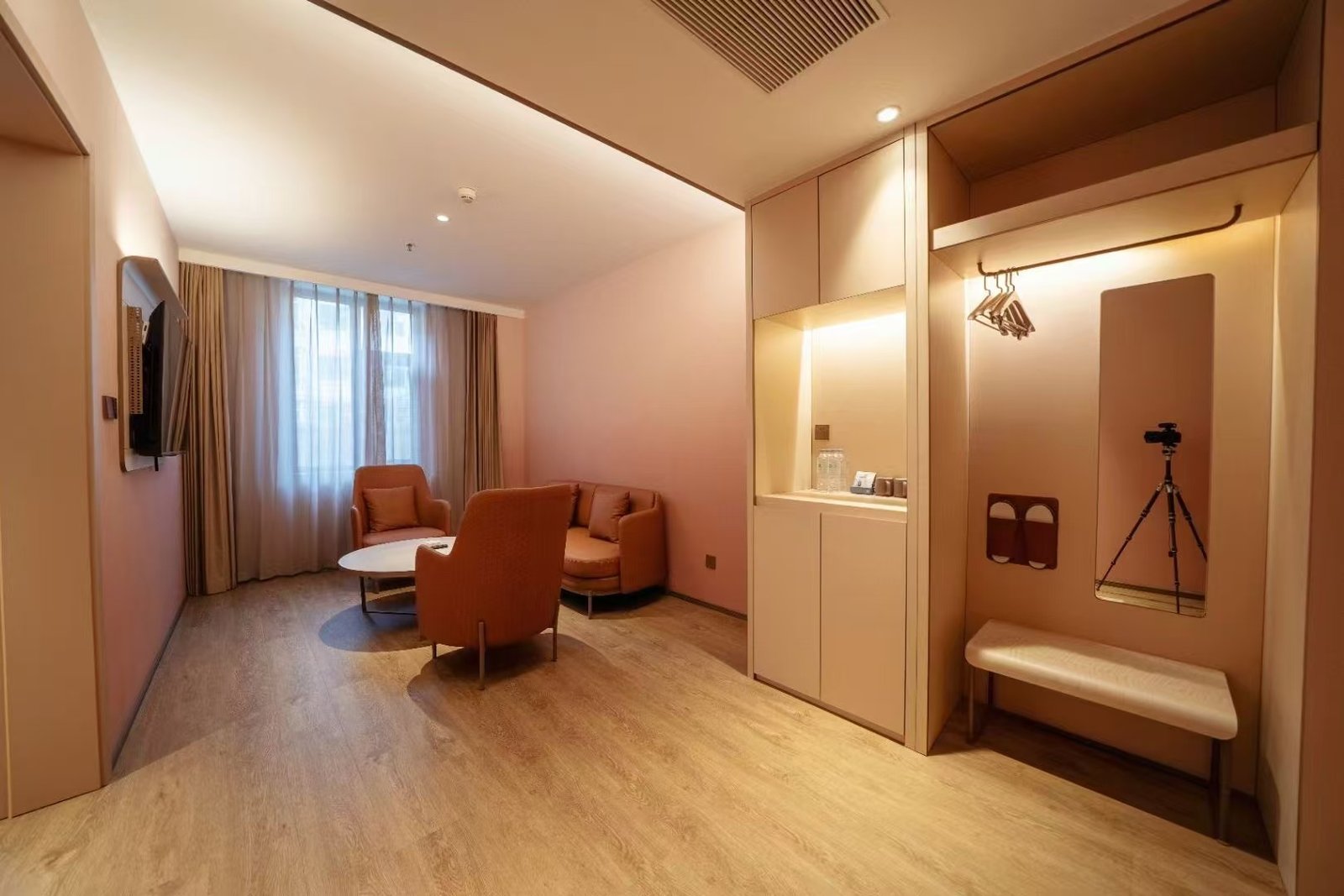
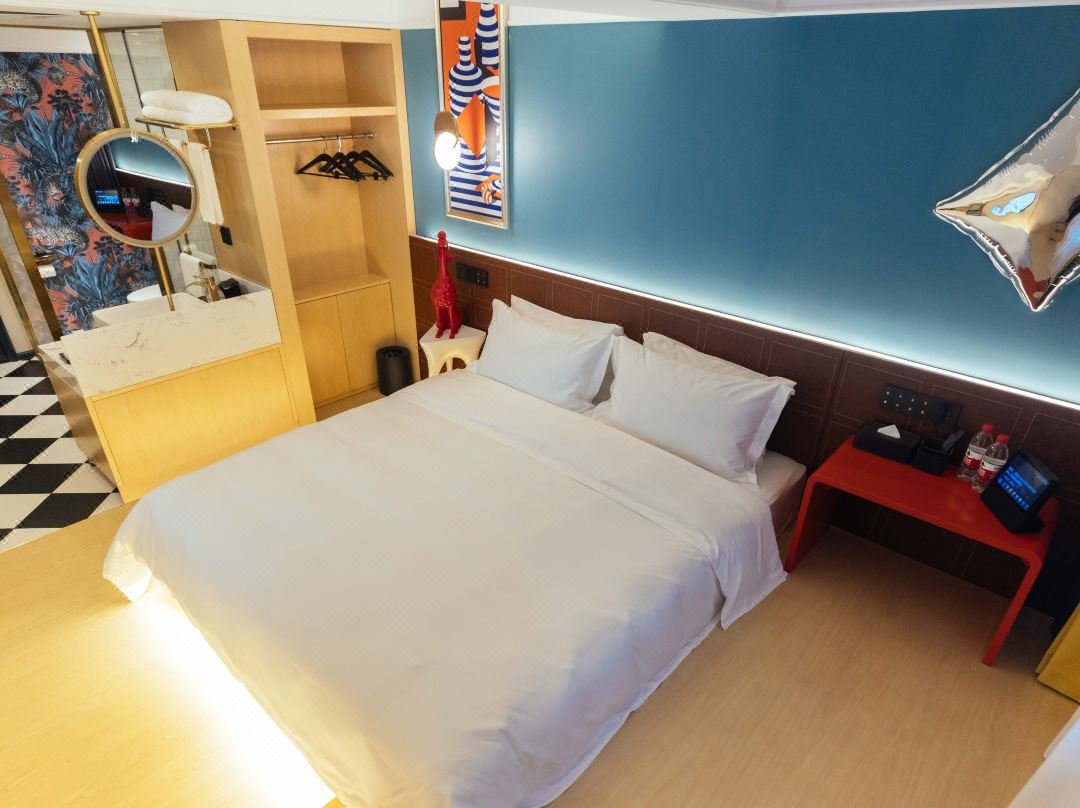
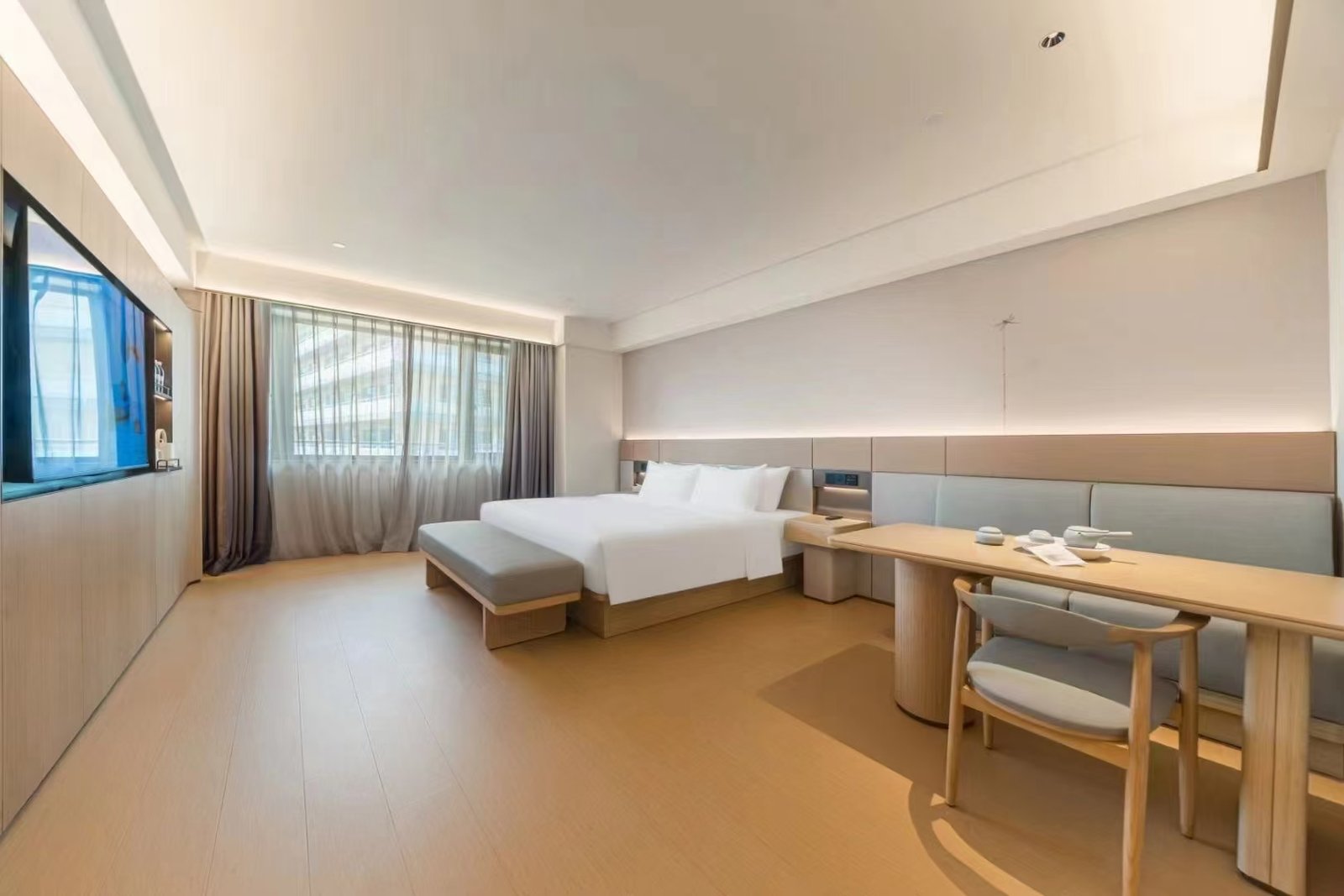
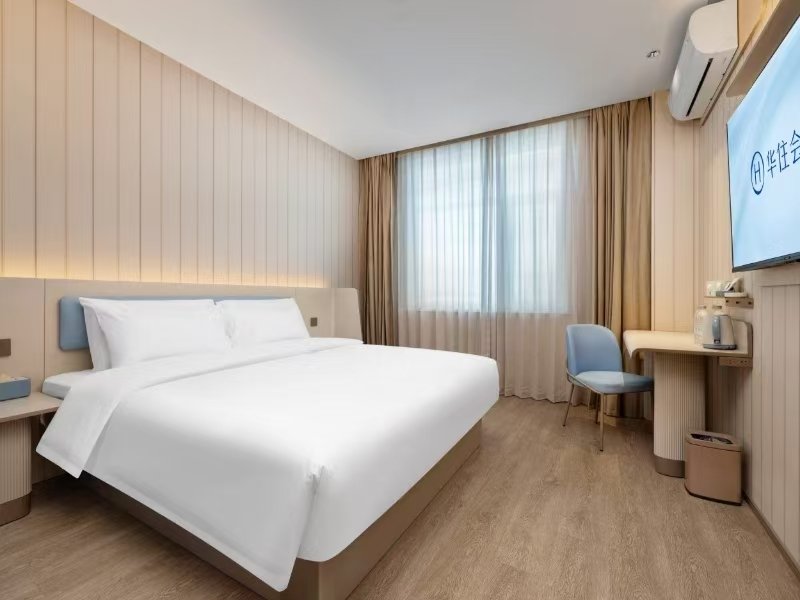
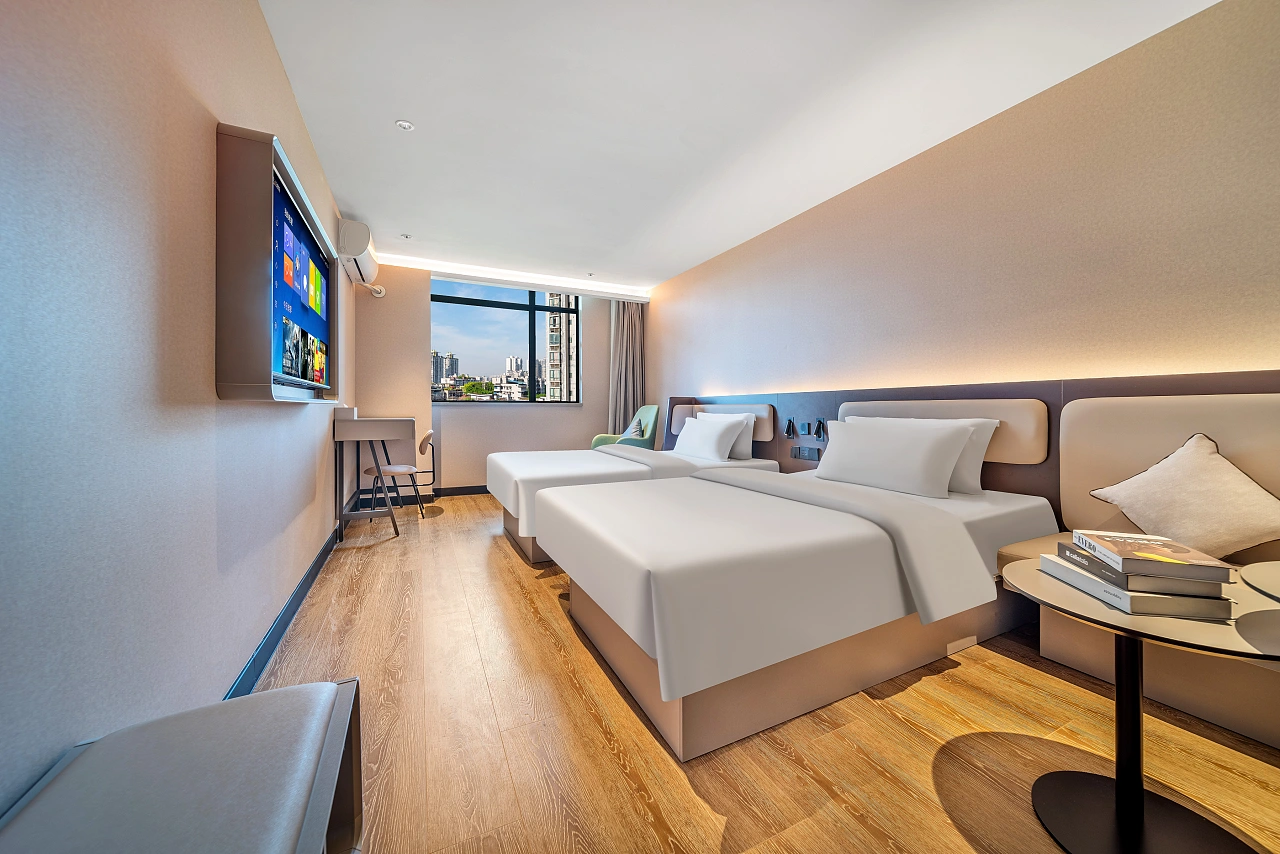
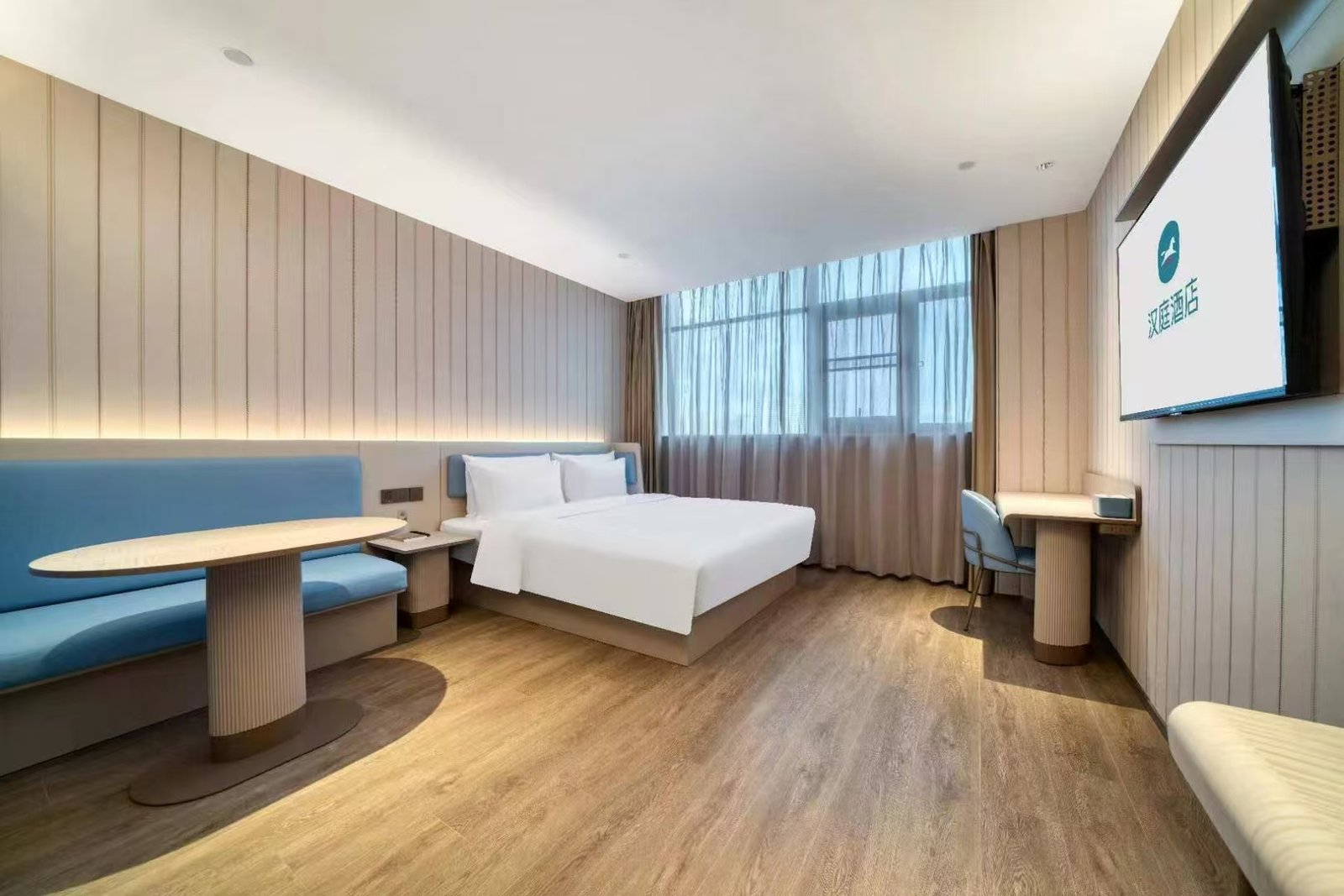
Furniture specifications should follow the type of hotel being developed rather than starting from an isolated product catalogue. A compact business hotel, an extended-stay property and an upscale resort may all need a bed, wardrobe and lounge chair, but their room layouts, material expectations, design language and operating priorities can be very different.
Before selecting individual pieces, define the guest-room standard and identify how the furniture will actually be used. This helps prevent over-specification in some areas and under-specification in others.
01
Room Positioning
Clarify whether the project is economy, mid-scale, upscale, boutique, serviced apartment or another hotel type. The required finish level and furniture package should follow the property positioning.
02
Daily Usage
Consider luggage contact, housekeeping access, repeated cleaning, guest turnover and how frequently chairs, drawers, doors and work surfaces will be used.
03
Room Layout
Furniture must work with the real floor plan. Bed width, wardrobe depth, circulation space and chair placement should be checked before dimensions are locked.
Buying Tip
If your project is focused on a mid-scale property, our earlier guide on choosing hotel room furniture for mid-scale hotels provides a more specific look at that segment.
Define the Complete Furniture Package Before Asking for Quotes
One of the easiest ways to create quotation confusion is to ask several suppliers to quote a project without giving each of them the same furniture scope. Before comparing prices, prepare a clear item list or BOQ showing product names, quantities, room types and basic specifications.
A typical guest-room package may combine casegoods and loose furniture. Depending on the project, this can include bed frames or headboards, bedside units, wardrobes, desks, tables, benches, dining chairs and lounge seating. Buyers can review the broader TSXY Hotel Furniture collection when building the initial scope.
| Furniture Item | What Buyers Should Confirm | Common Project Concern |
|---|---|---|
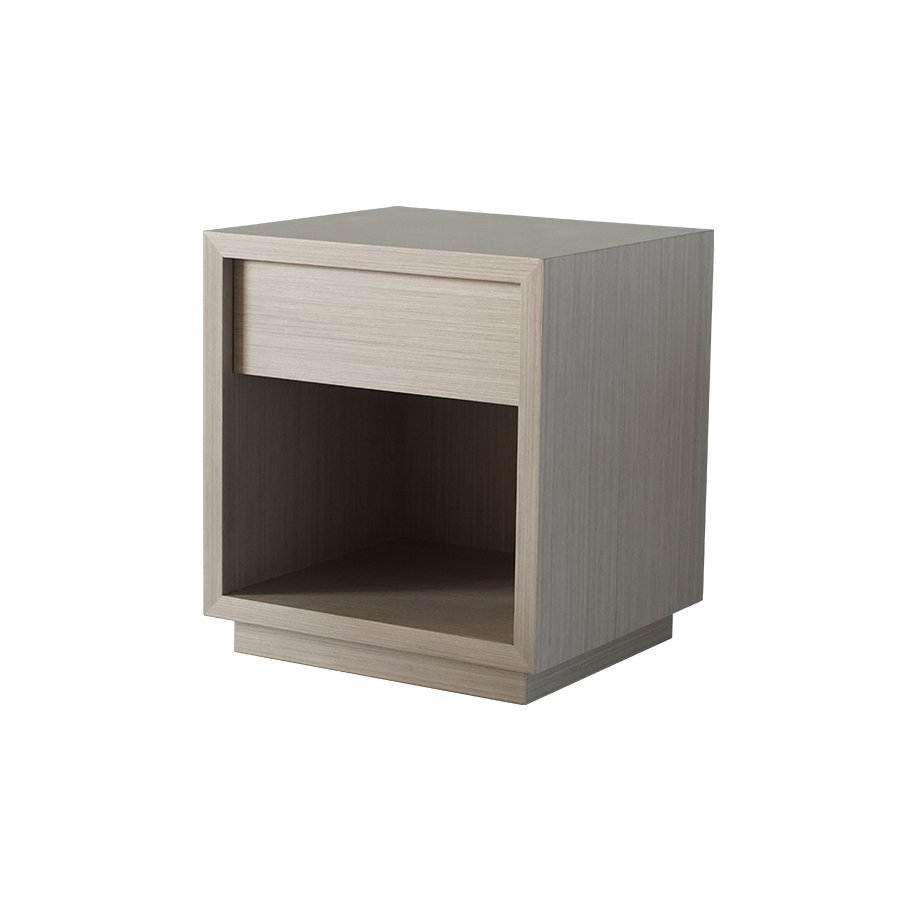
| Bed / Headboard | Overall dimensions, wall interface, upholstery, mounting method and bedside coordination | Room fit, installation and finish consistency |
| Wardrobe / Cabinet | Storage layout, door opening, hardware, internal configuration and finish | Usability and repeated daily operation |
| Desk / Table | Top material, edge detail, base structure, height and access to power points | Maintenance and room circulation |
| Lounge Chair | Seat height, foam, upholstery, frame construction, comfort and overall footprint | Comfort versus limited guest-room space |
| Bench / Ottoman | Length, upholstery, luggage use, base construction and placement | Surface wear and room layout |
For example, a hotel project requiring wardrobes, bedside units and other storage furniture should define the internal configuration and finish expectations early. These requirements can then be matched with suitable hotel cabinet and storage solutions instead of waiting until the sample stage to decide basic dimensions.
Materials Should Be Selected for Use, Not Appearance Alone
Finish boards and renderings are important, but hotel furniture also needs to perform in daily commercial use. Material decisions should consider appearance, construction, cleaning, maintenance and the ability to reproduce the same finish consistently across the complete project.
Wood & Panel Components
Check the substrate, veneer or decorative surface, edge treatment, internal construction and how visible finishes will be matched between different furniture items.
Metal Structures
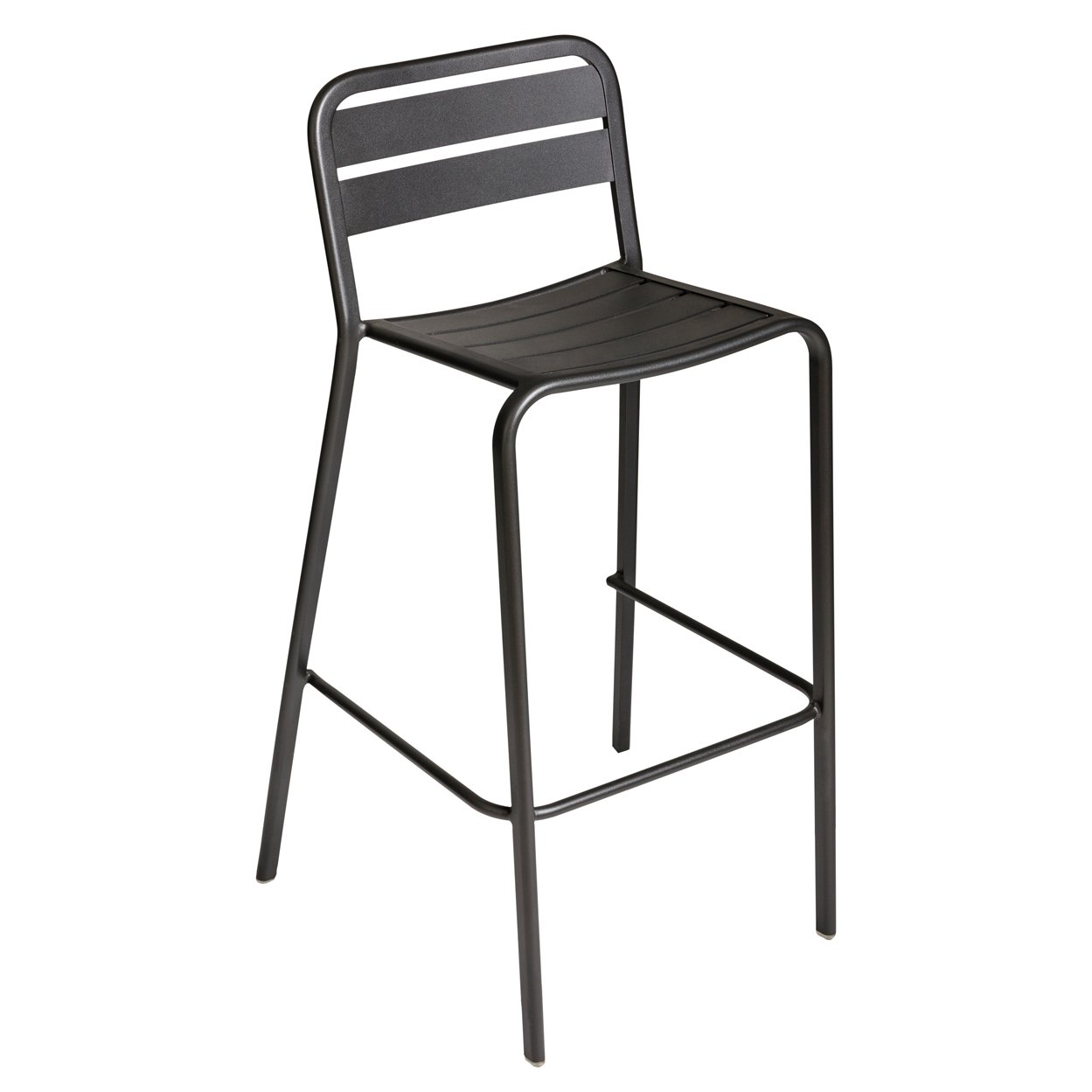
Frame thickness, weld finishing, surface coating and connection details matter for chairs, tables and furniture that receives frequent movement or loading.
Upholstery & Foam
Fabric or leather selection should be reviewed together with foam comfort, seam details, color consistency and cleaning requirements rather than choosing upholstery only from a digital image.
Tabletops & Visible Surfaces
Consider scratch exposure, edge durability, stain resistance, cleaning frequency and how the selected surface will coordinate with surrounding hotel finishes.
Upholstered seating deserves particular attention because dimensions, fabric, foam and comfort interact with each other. Buyers comparing guest-room seating can review different hotel lounge chair options as a starting point before specifying project finishes.
Check Furniture Dimensions Against the Actual Room Layout
A chair can be comfortable and well made but still be wrong for the room if it restricts circulation. The same is true for an oversized bedside cabinet, a wardrobe door that cannot open fully or a luggage bench that reduces the clear walking area.
Project drawings should therefore be reviewed together with furniture dimensions before samples are produced. This is especially important when the same design will be repeated across many rooms.
Do not approve dimensions in isolation.
Furniture should be checked as part of a complete room rather than as separate objects. A few centimetres can affect circulation, housekeeping access and the overall visual balance of a compact room.
- Bed and bedside-unit relationship
- Wardrobe door and drawer opening clearance
- Distance between seating and tables
- Luggage placement and housekeeping access
- Desk depth and guest working space
- Power outlet and lighting positions
- Access through doors, lifts and corridors during installation
Approve a Representative Sample Before Bulk Production
Drawings can confirm dimensions and construction details, but a physical sample allows the project team to judge things that are harder to evaluate on screen: comfort, proportions, upholstery tension, hardware operation, finishing quality and the relationship between different materials.
For a large project, the purpose of the sample is not simply to see whether the product looks attractive. The sample should become a controlled reference for mass production.
STEP 01Review ScopeConfirm item code, drawings, quantity and room application.
STEP 02Approve MaterialsConfirm finishes, fabrics, colors, hardware and visible details.
STEP 03Produce SampleManufacture the representative item using the agreed specification.
STEP 04Record CommentsCheck dimensions, appearance, comfort and required revisions.
STEP 05Lock StandardUse the approved sample and drawings as the bulk-production reference.
For custom projects, a structured development process is especially important when several materials and furniture types have to match one interior concept. TSXY’s custom furniture solutions cover project requirements from drawings and material selection through sample development and bulk production.
Evaluate the Manufacturer as a Project Partner, Not Just a Price Source
A quotation tells you the price, but it does not tell you how a supplier will manage revisions, finish matching, production consistency or a problem discovered during manufacturing.
For a hotel project, buyers should evaluate whether the manufacturer has a practical system for moving from specification to sample, production, inspection and delivery.
Project Understanding Can the supplier read drawings, BOQ and finish requirements and identify missing information before quotation?
Manufacturing Capability Does the production setup match the mix of wood, metal, upholstery and other furniture required by the project?
Sample Development Is there a clear process for drawings, material confirmation, sample production, revision and final approval?
Quality Control Are materials, production stages, final appearance, dimensions and packing checked against an approved standard?
Communication Can project changes, technical questions and production updates be recorded clearly rather than handled only through informal messages?
Bulk Consistency Can the supplier reproduce approved dimensions, materials and finishes consistently across a large quantity?
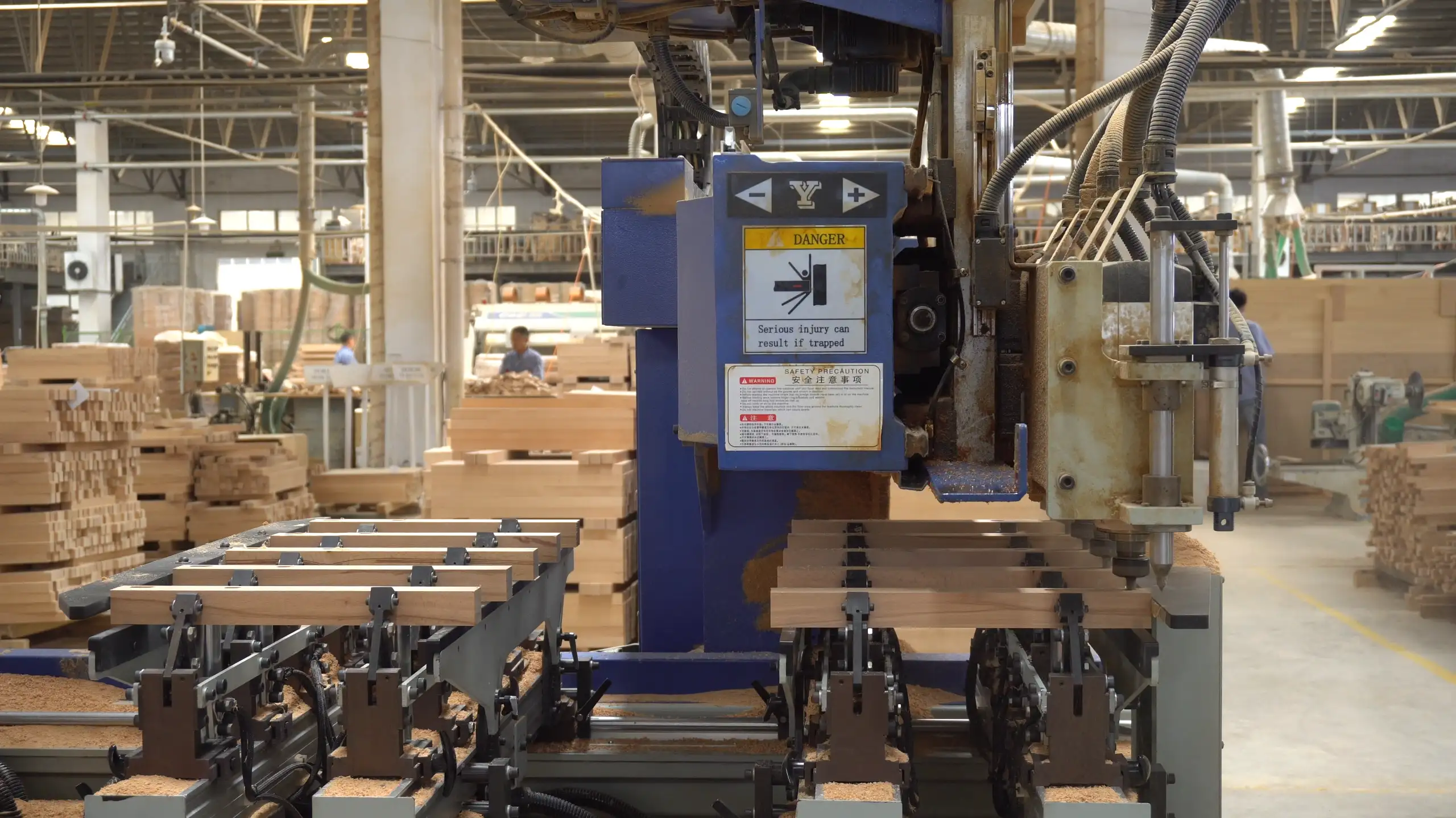
A factory visit or detailed production review can help buyers understand how these controls work in practice. The TSXY Factory Review provides an overview of the manufacturing and production capabilities behind our commercial furniture projects.
Supplier Red Flags Worth Checking Early
- A quotation is provided without asking for missing dimensions or specifications.
- Material names are vague and no physical finish approval is required.
- Sample changes are discussed but not recorded in revised drawings or specifications.
- The supplier cannot explain how bulk production will follow the approved sample.
- Packing and loading requirements are only discussed after production is complete.
Quality Control Should Follow the Approved Standard
Final inspection is important, but quality control should not begin when the furniture is already packed. The strongest reference is the combination of approved drawings, material samples, finish standards and the representative product sample.
During production, key checks may include dimensions, structure, surface finish, upholstery, hardware, assembly and general workmanship. Before shipment, buyers should also confirm quantities, labels, accessories and packing requirements.
The goal is consistency, not just one good sample.
A successful hotel furniture order should reproduce the approved design and quality standard across the complete quantity, whether the project includes ten rooms or several hundred furniture items.
Final Hotel Furniture Procurement Checklist
Before releasing a hotel furniture order for production, project teams should be able to answer the following questions clearly.
Room types and furniture quantities are confirmed.
Latest drawings and BOQ revisions are identified.
Furniture dimensions have been checked against room layouts.
Materials, colors and finishes are approved.
Upholstery and foam requirements are confirmed.
Hardware and structural details are defined.
Representative samples have been reviewed where required.
Approved changes are recorded before bulk production.
Quality-control checkpoints are agreed.
Packing and shipping-mark requirements are confirmed.
Delivery schedule is coordinated with the project timeline.
The supplier understands who gives final approval.
A Better Quotation Starts with Better Project Information
Project buyers often focus first on price, but a meaningful quotation depends on the quality of the information provided to the manufacturer. Clear drawings, quantities, room types, material expectations and target finishes make it easier to compare suppliers on the same basis and reduce unnecessary revisions later.
For custom hotel projects, the most efficient approach is to define the furniture package first, verify the main technical details and then move into sample development with a clear approval standard. This creates a much stronger foundation for bulk production than selecting furniture one item at a time without a coordinated project scope.
Planning a Hotel Furniture Project?
Review our hotel furniture range or send your drawings, BOQ, reference images and project requirements. TSXY can support product selection, customization and project-based furniture development for hotel and hospitality applications.