
Table of contents
- Start with the Room, Not the Furniture Catalog
- Decide Which Pieces Really Need Customization
- A Small Hotel Can Still Create a Complicated Furniture Order
- Protect the Details Guests Actually Notice
- The Same Finish Has to Work Across Different Furniture Types
- Public Areas Change the Design Priorities
- Durability Should Be Hidden Inside the Design
- The Supplier Needs a Clear Project Brief Before Production Starts
- A Good Boutique Furniture Package Feels Unique Without Becoming Chaotic
Imagine a 60-room hotel renovation. The designer has completed the room concept, several room types use slightly different layouts, the owner wants the interiors to feel distinctive, and the purchasing team still needs to keep the furniture package within budget.
This is where boutique hotel furniture starts to differ from simply selecting products from a catalog. The project is no longer about finding a bed, a nightstand and a chair one by one. It is about deciding which pieces should be customized, which details actually matter to the design, and how the complete package can still be produced consistently.
For buyers sourcing custom hotel furniture, boutique projects often require more coordination than their room count suggests.
Start with the Room, Not the Furniture Catalog
Take one guest room first.
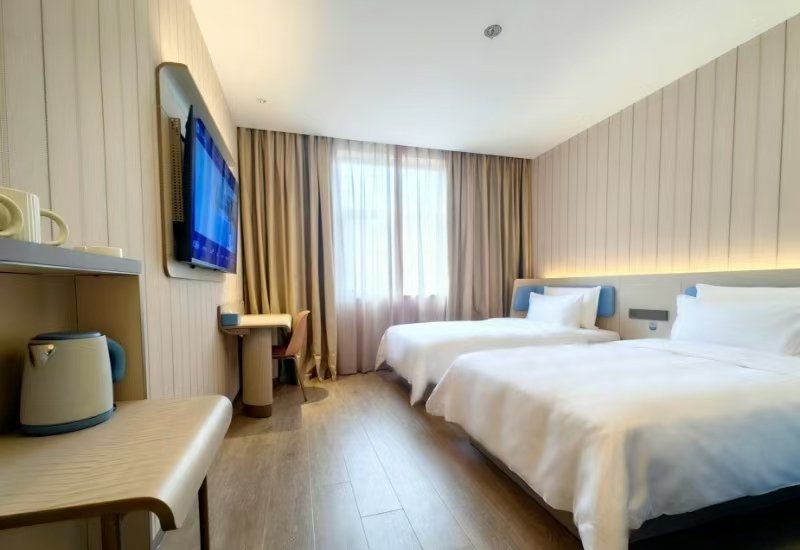
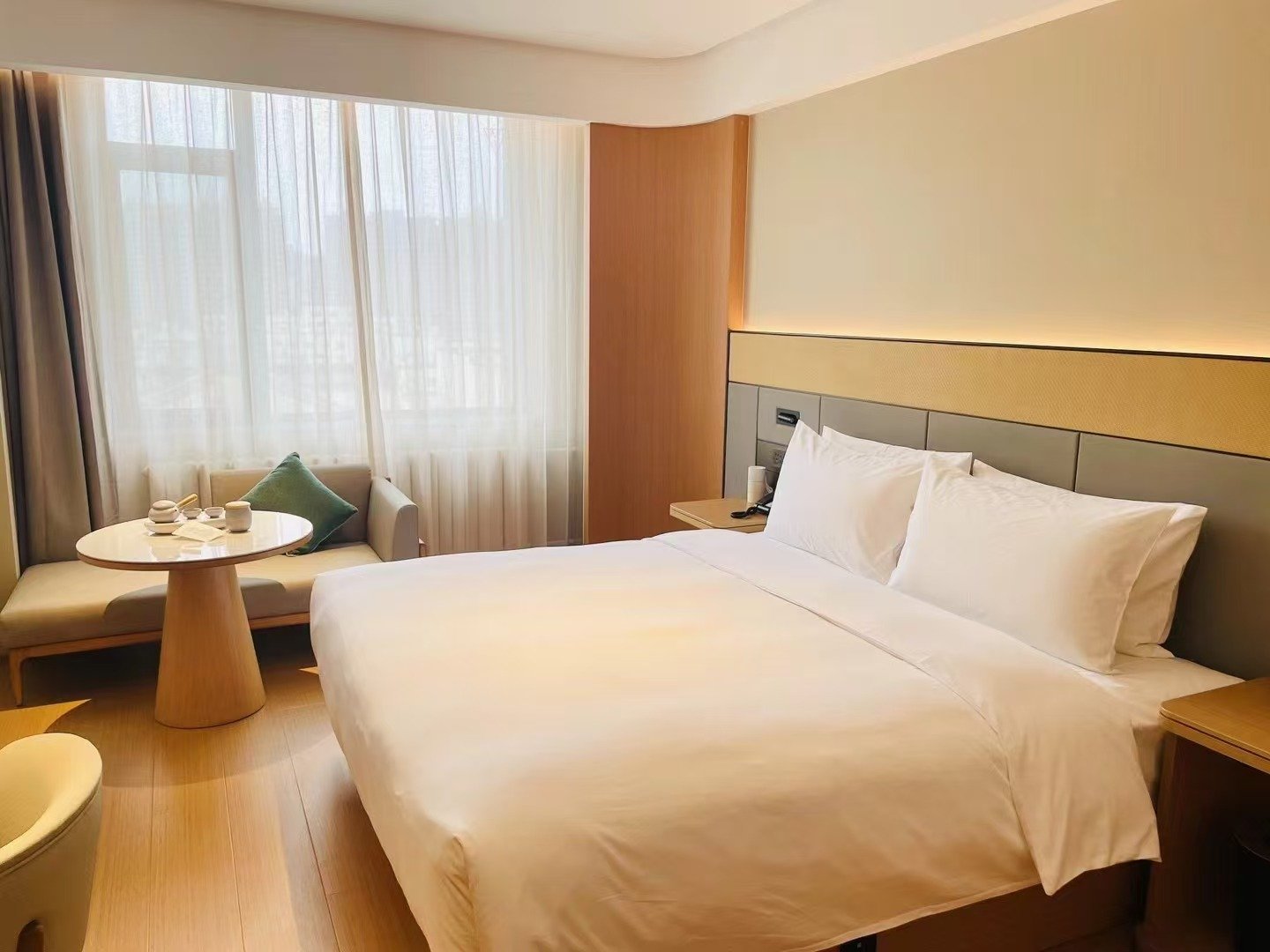
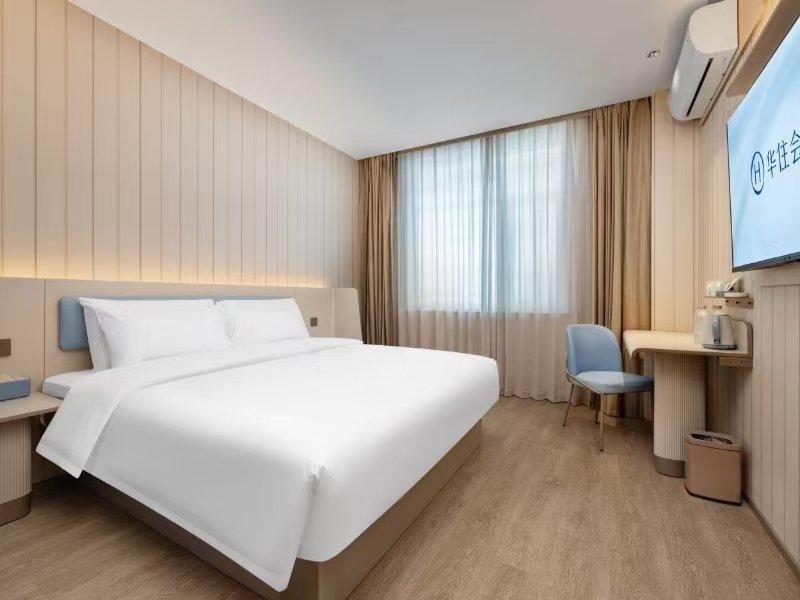
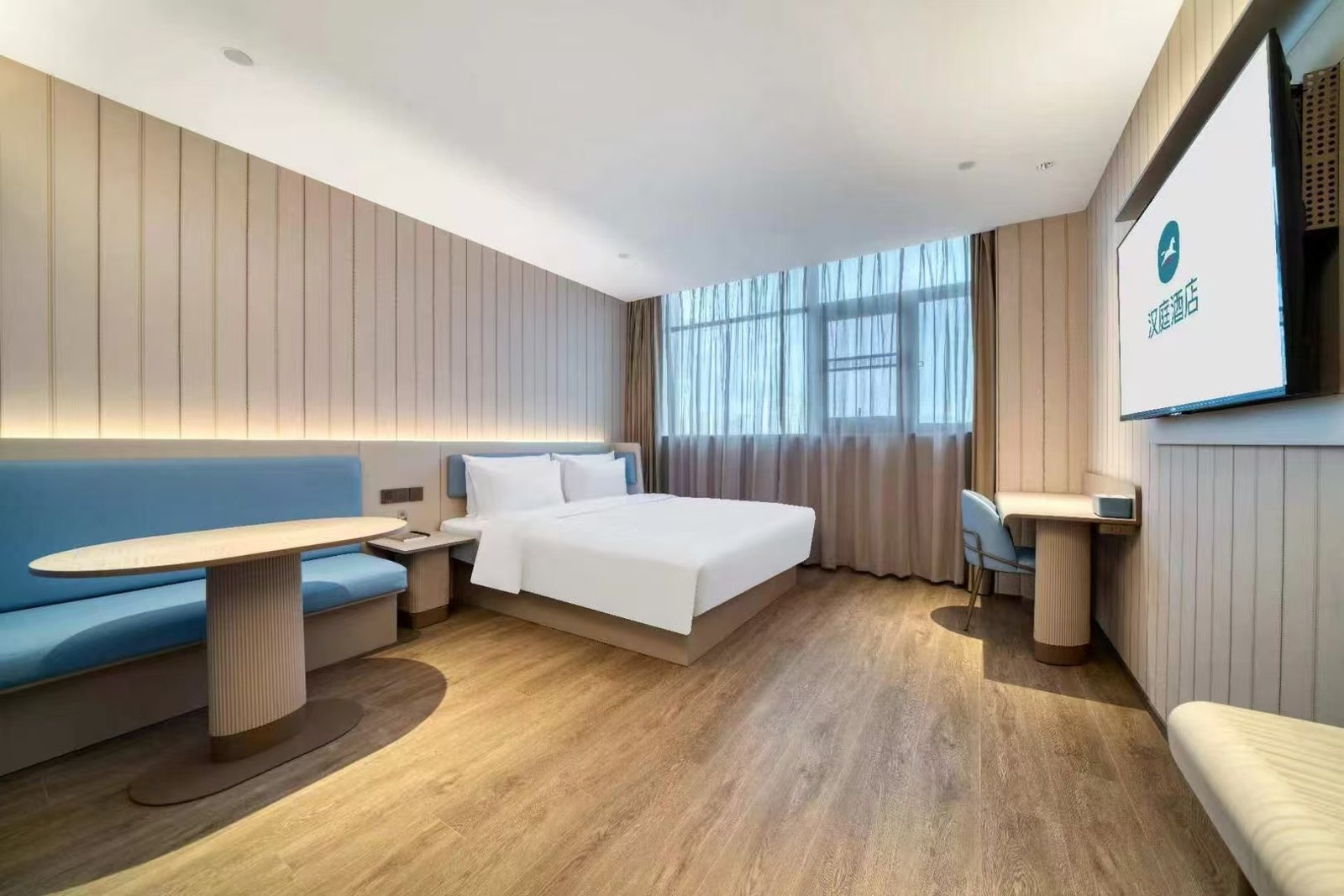
The bed wall is relatively narrow. There is a wardrobe near the entrance, a compact desk beside the window and enough remaining space for one lounge chair. The designer also wants the headboard and casegoods to share the same wood tone.
If the buyer starts from a standard catalog, several problems may appear immediately. The nightstand may be too wide. The desk may block the curtain. The wardrobe depth may reduce circulation space. A standard lounge chair may fit on paper but make the room feel crowded.
A boutique project usually works better when the process runs in the opposite direction:
Room layout → required function → furniture dimensions → materials and finishes → final product design.
That does not mean every dimension must be completely unique. It means the furniture should respond to the actual space before the buyer decides which standard products can still be used.
Decide Which Pieces Really Need Customization
Now look at the furniture package again. Not every item deserves the same amount of design time or budget.
The headboard
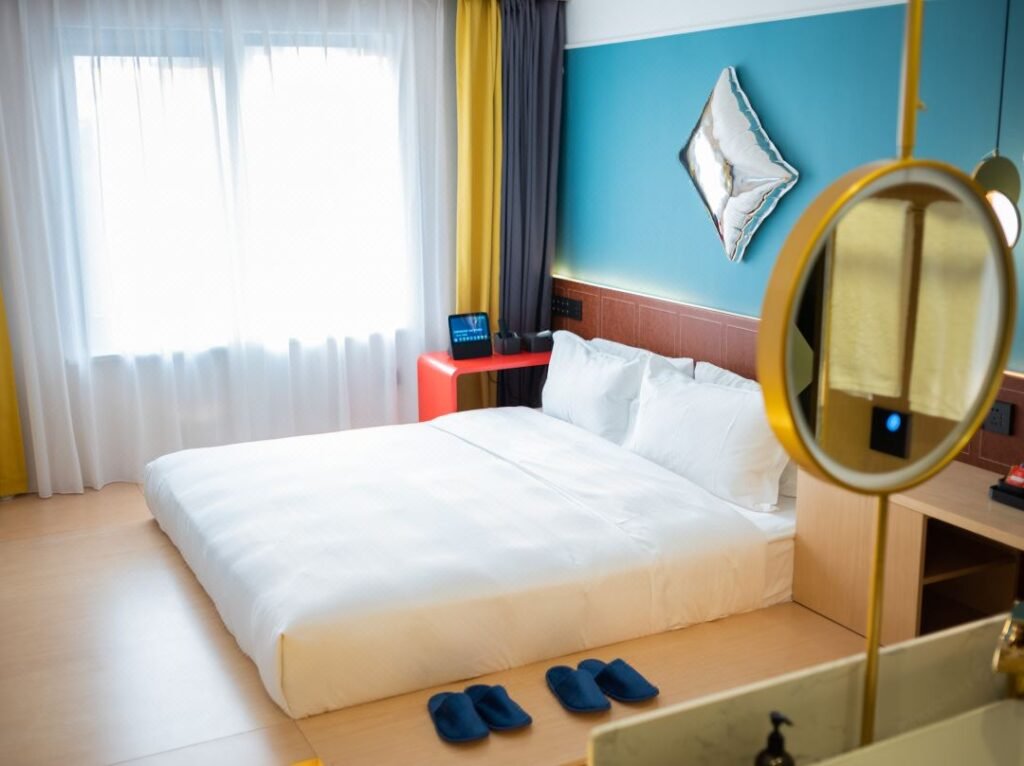
The headboard occupies a large visual area and strongly influences the character of the guest room. Custom width, upholstery, wood trim or integrated details can have a noticeable effect on the room without making the construction unnecessarily complicated.
The nightstand and desk
These pieces interact directly with walls, power outlets, lighting and circulation. Small changes in dimensions can make them much easier to use.
The wardrobe and minibar unit
For hotel cabinets and casegoods, customized dimensions are often more valuable than decorative complexity. Internal storage, minibar equipment, hardware and door clearance all need to work with the actual room.
The lounge chair
A standard chair may work perfectly if its proportions, upholstery and finish already suit the project. There is little value in redesigning a product just to call it custom.
This is an important distinction in boutique hotel projects: customization should solve a design, space or operational requirement. It should not become an objective by itself.
A Small Hotel Can Still Create a Complicated Furniture Order
Suppose the hotel has only 60 rooms, but they are divided into four room types.
Thirty standard rooms use one nightstand size. Eighteen corner rooms need a narrower version. Eight suites use larger desks and additional lounge seating. Four accessible rooms require a different layout and clearances.
The total room count is not large, but the factory may now be producing several versions of similar furniture.
That creates a different production challenge from a 200-room hotel using exactly the same package everywhere.
What the buyer needs to control
Each variation should have a clear item code, drawing, quantity and room-type reference. Similar-looking pieces should not depend on informal descriptions such as “small nightstand” or “suite desk.”
What the factory needs to control
Materials, finishes and hardware should remain coordinated even when dimensions change between room types.
This is why boutique projects often depend heavily on drawings, BOQ organization and sample approval even when the total order quantity is relatively modest.
Protect the Details Guests Actually Notice
Now assume the first quotation comes back above budget.
The easiest reaction would be to reduce specifications everywhere. But that can damage the parts of the room that create the boutique character in the first place.
A better approach is to separate visible design value from hidden construction cost.
Keep the visible identity
The project may protect the headboard shape, main wood finish, visible metal details, upholstery selection and key furniture proportions.
Simplify where guests are unlikely to notice
Internal cabinet materials, hidden structural parts, complicated metal components or unnecessary decorative details may offer opportunities for value engineering.
Avoid changing everything at once
Changing veneer, hardware, upholstery, structure and dimensions simultaneously may reduce price, but it can also create a completely different product.
For boutique hotel furniture, the goal is usually not to make the furniture cheaper at any cost. It is to identify which details carry the design concept and protect those while simplifying less important areas.
The Same Finish Has to Work Across Different Furniture Types
Return to the guest room package.
The headboard has a wood frame. The nightstand and desk use veneer. The wardrobe uses the same general finish. The lounge chair has exposed wood legs.
On a rendering, these elements may appear perfectly matched. Production is more complicated.
Veneer, solid wood and painted surfaces can respond differently to stains and coatings. Grain variation can also make two pieces look slightly different even when they use the same finish reference.
The buyer therefore needs more than a color name such as “dark walnut.”
An approved physical finish sample gives the factory a much clearer reference. For important projects, several connected pieces should also be reviewed together rather than approving every product in isolation.
This is particularly useful when hotel lounge furniture needs to coordinate with casegoods and other guest room furniture.
We explain this process in more detail in our article about hotel furniture finish matching.
Public Areas Change the Design Priorities
The guest room package is now settled. The project moves to the lobby and lounge.
Here the priorities change.
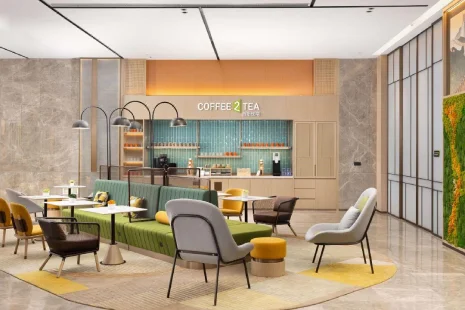
Guest room furniture is repeated many times, so consistency and efficient production matter heavily. Lobby furniture may be used in smaller quantities, but each piece is more visible and often experiences heavier public use.
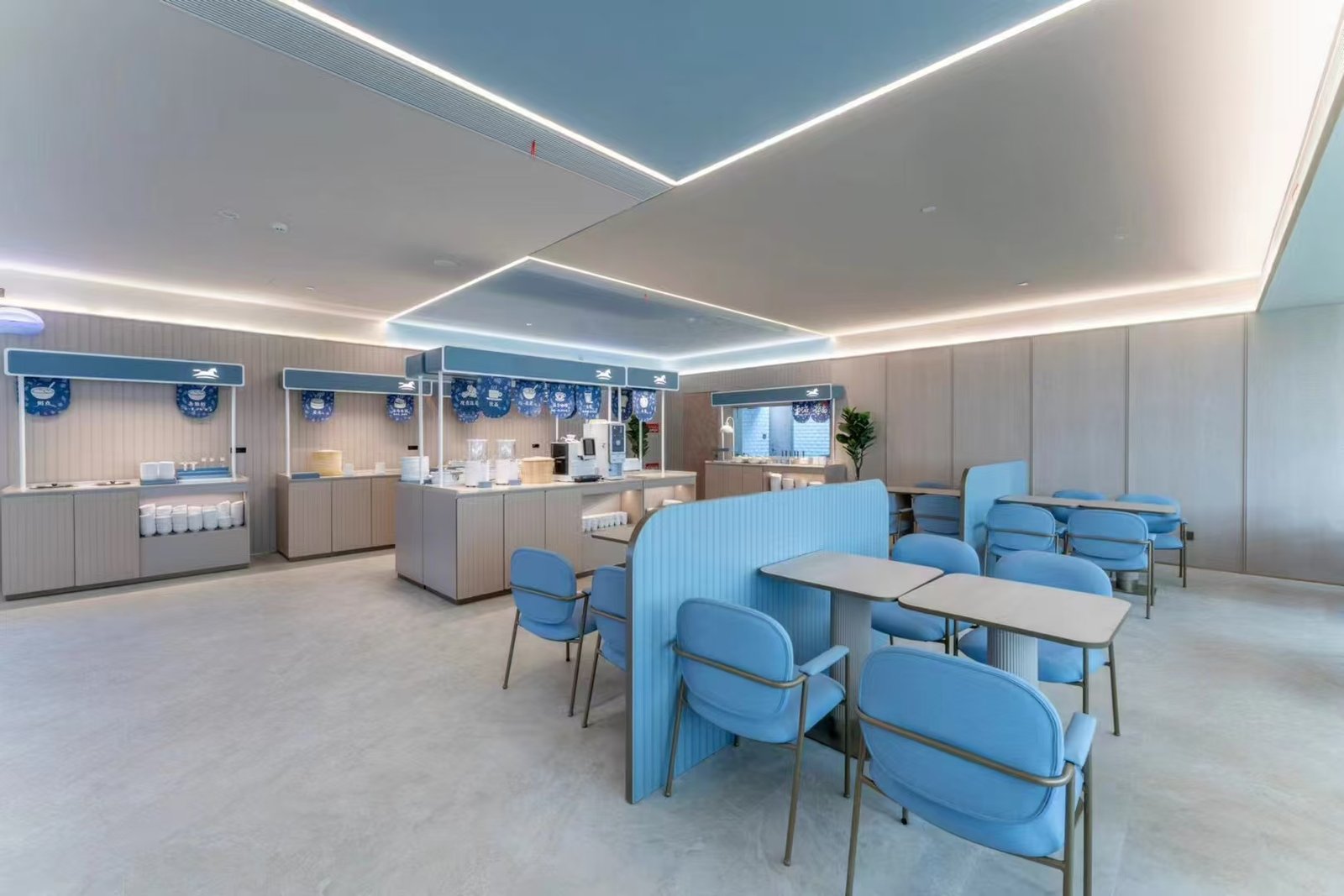
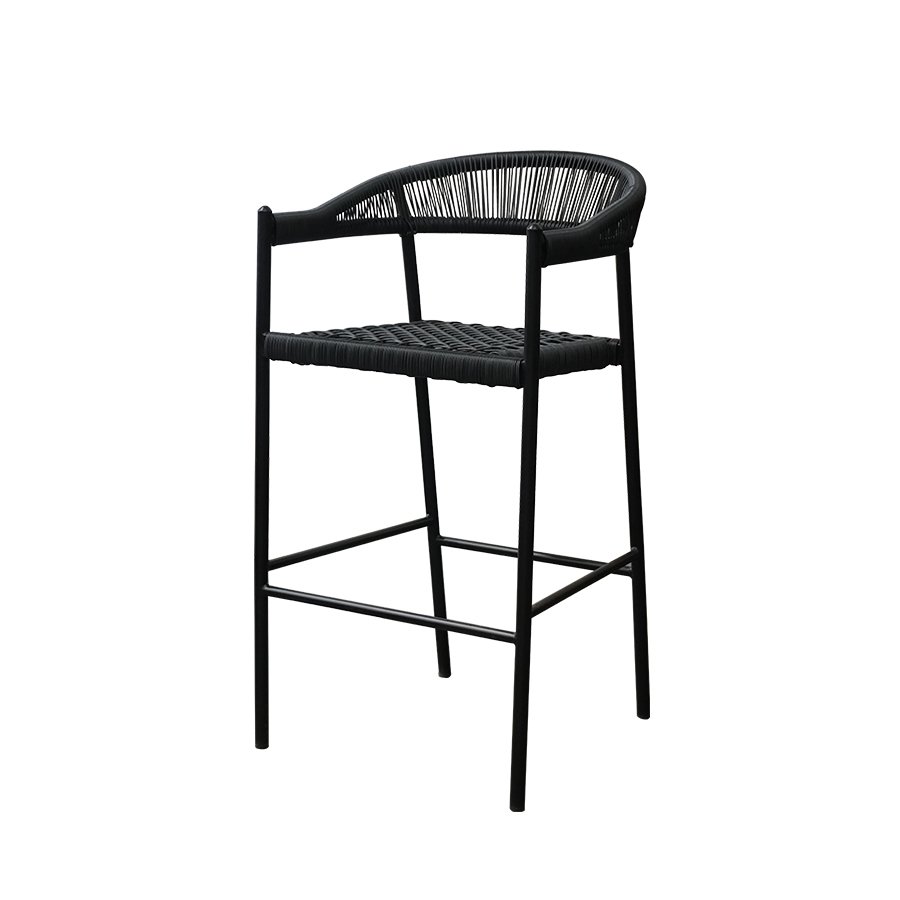
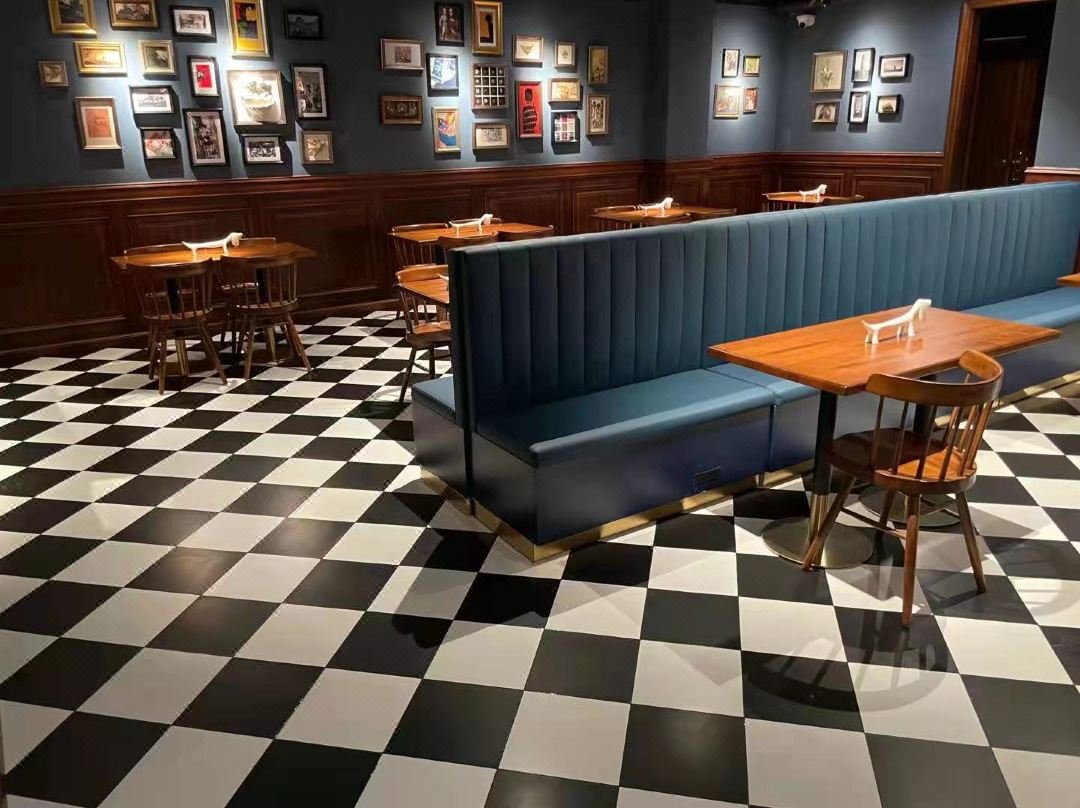
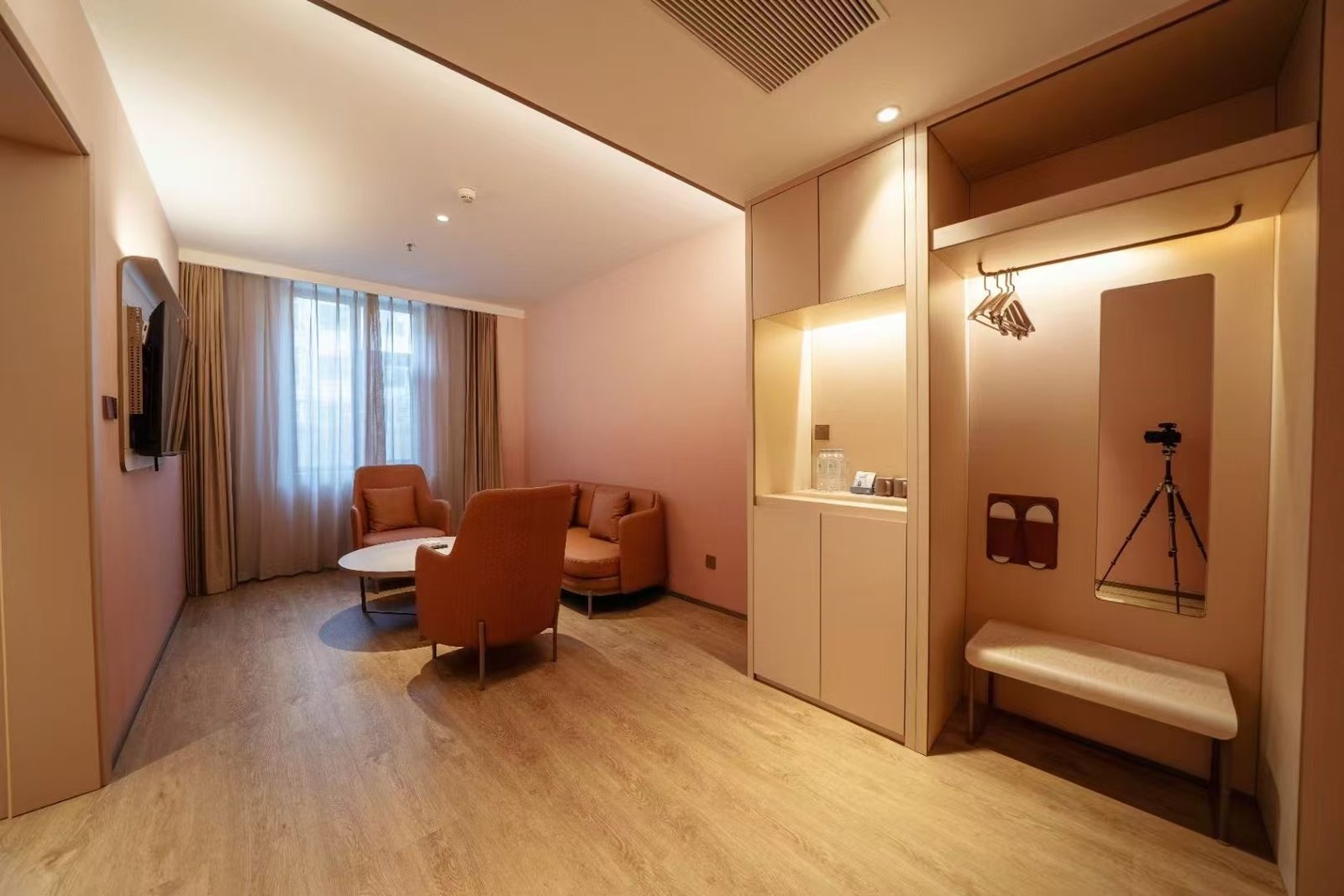
A lounge chair at the entrance may become part of the hotel’s visual identity. A sofa may need a more distinctive shape. Side tables may introduce a special metal or stone finish that is not used inside the guest rooms.
This gives the buyer more freedom, but it also creates a new question:
Can a visually distinctive product still survive commercial use?
For public-area seating, appearance should be checked together with frame construction, foam, upholstery performance and maintenance requirements.
A dramatic chair that is difficult to clean, unstable or expensive to repair may look good at opening but create problems later.
Durability Should Be Hidden Inside the Design
Boutique interiors often aim to feel less standardized, but the furniture still operates inside a hotel.
Guests move chairs. Housekeeping hits casegoods with luggage carts and cleaning equipment. Drawers and doors are opened repeatedly. Public-area seating may be used throughout the day.
Commercial durability therefore needs to be built into the furniture without dominating the appearance.
A slim-looking table
The designer may want a light visual profile, but the base still needs enough stability for daily use.
A floating nightstand
The visible design can remain minimal while the concealed wall-fixing system provides the necessary support.
An upholstered lounge chair
The silhouette may remain refined, while frame joints, foam selection and upholstery specifications are chosen for commercial use.
Where applicable, U.S. hotel projects should also coordinate furniture layouts with accessibility requirements. The official ADA Standards for Accessible Design provide an important reference for accessible spaces.
The Supplier Needs a Clear Project Brief Before Production Starts
At this point, the project is no longer just a mood board.
The buyer should be able to give the supplier a clear set of information that connects the design concept with actual production.
That normally includes room types, quantities, furniture schedules, drawings, material references, finish samples, upholstery requirements and target delivery dates.
More importantly, the information should show which details are fixed and which details can still be adjusted.
For example:
- The headboard appearance must remain unchanged.
- The internal cabinet material can be value engineered.
- The desk width changes between two room types.
- The same wood finish must be used across all guest room casegoods.
- The lobby seating uses a separate upholstery specification.
This makes supplier discussions much more productive than simply sending renderings and asking, “Can you make this?”
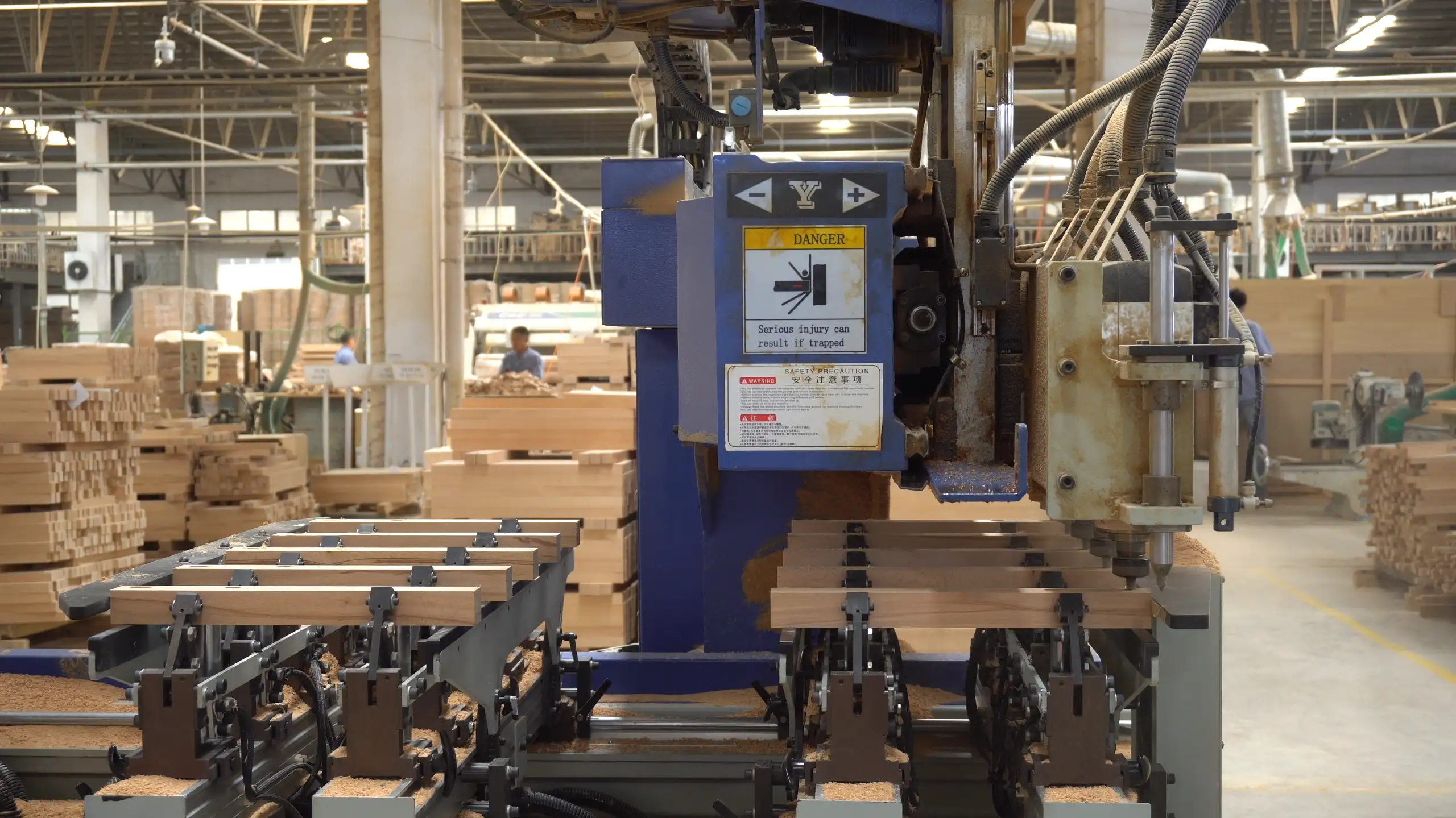
TSXY’s custom furniture project process supports development from drawings, BOQ and reference images through samples and bulk production.
A Good Boutique Furniture Package Feels Unique Without Becoming Chaotic
Return to the original 60-room project.
The final result does not need 60 different furniture designs.
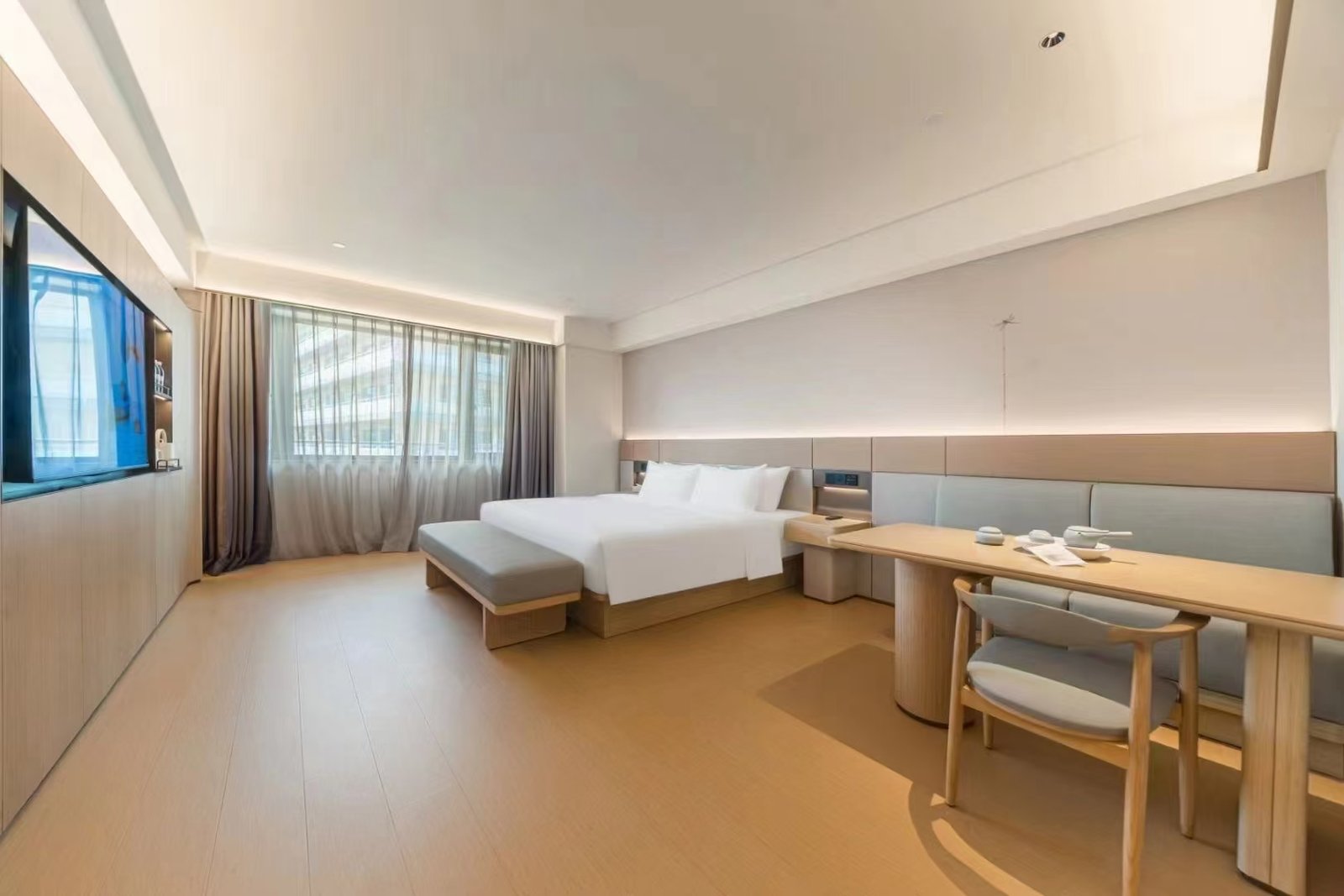
Most rooms can still share the same visual language. The headboard, nightstand, desk and wardrobe can use coordinated materials and finishes. Different room types can adjust dimensions where necessary. Public areas can introduce a few more distinctive pieces without changing the identity of the entire project.
That is ultimately what separates successful boutique hotel furniture from random customization.
The furniture feels specific to the hotel, but the production system remains understandable. The design has personality, but the products can still be repeated. The materials look coordinated, but the project does not spend money on details guests will never notice.
For boutique hotel buyers, that balance between design identity and practical manufacturing is usually more valuable than simply making every piece different.
You May Also Be Interested In
Where to Buy Hotel Furniture Wholesale for a Commercial Project
How to Keep Hotel Furniture Finishes Consistent Across a Project