
Table of contents
- Why Shop Drawing Approval Matters in Hotel Furniture Projects
- What Information Should Appear on a Furniture Shop Drawing?
- Dimensions Should Be Checked Against the Actual Room
- Materials and Finishes Need More Than a General Description
- Hardware and Construction Details Can Affect Long-Term Use
- Furniture Drawings Must Coordinate with Other Project Elements
- Revision Control Is Just as Important as the Drawing Itself
- What Should Be Confirmed Before Final Approval?
- Approved Drawings Should Become Part of Production Control
For custom hotel projects, approving a drawing is not just a design formality. A signed drawing often becomes one of the key production references for dimensions, materials, hardware, finishes and installation details.
That is why hotel furniture shop drawings should be reviewed carefully before samples or bulk production begin. A small drawing error can later become a repeated production problem across dozens or even hundreds of guest rooms.
For buyers sourcing custom hotel furniture, the goal is not to inspect every technical line like an engineer. The important task is to confirm that the drawing matches the actual room, approved design and purchasing requirements.
Why Shop Drawing Approval Matters in Hotel Furniture Projects
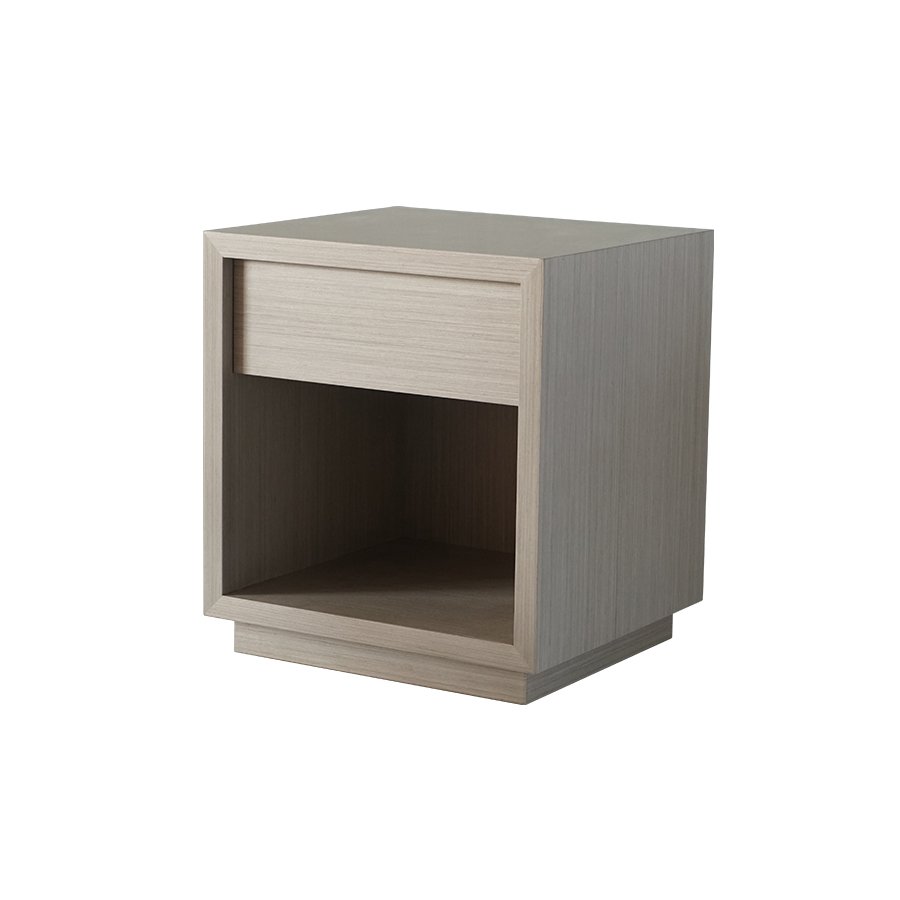
Custom hotel furniture usually involves more coordination than standard catalog furniture. A nightstand may need to align with a bed frame and wall outlet. A wardrobe must fit the available wall space. A desk may need cable access, power outlets or specific clearances.
If these details are not confirmed before production, even a well-made piece of furniture can be wrong for the actual project.
Shop drawings therefore serve as a bridge between the designer’s concept, the buyer’s BOQ and the manufacturer’s production team.
A proper approval process helps confirm:
- overall furniture dimensions
- internal and external structure
- materials and thicknesses
- hardware positions
- finish and color references
- site coordination requirements
- installation or assembly details
What Information Should Appear on a Furniture Shop Drawing?
A useful shop drawing should show more than a front-view image. Buyers should be able to understand how the furniture will actually be manufactured and installed.
| Drawing Information | What the Buyer Should Confirm |
|---|---|
| Overall Dimensions | Width, depth and height match the approved room layout and BOQ. |
| Material Specification | Board, plywood, veneer, solid wood or metal specifications are clearly identified. |
| Panel Thickness | Important structural panels and visible components show the correct thickness. |
| Hardware | Hinges, drawer slides, handles and fittings match the agreed specification. |
| Finish | Paint, veneer, laminate, metal finish or upholstery references are identified. |
| Construction Details | Critical joints, support structures and assembly methods are understandable. |
| Installation Details | Wall fixing, floor fixing, brackets or site connections are shown where required. |
The more customized the furniture is, the more important these details become.

Dimensions Should Be Checked Against the Actual Room
Dimensions are usually the first thing buyers look at, but checking only the overall width and height is not enough.
Hotel furniture often interacts with walls, doors, curtains, electrical outlets, lighting, flooring and other furniture. A dimension that looks correct on an isolated furniture drawing may still create a problem inside the actual room.
For example, when reviewing hotel cabinets, buyers should check not only the cabinet size but also:
- door opening clearance
- drawer extension space
- skirting or baseboard interference
- wall socket positions
- minibar or refrigerator dimensions
- internal shelf height
- installation clearance
For hotel bed frames, the relationship between mattress size, headboard width, bedside tables and wall-mounted electrical points should also be checked together.
Materials and Finishes Need More Than a General Description
Descriptions such as “wood finish,” “metal frame” or “fabric upholstery” are usually too vague for final approval.
The drawing or accompanying specification should identify the actual material system as clearly as possible.
For a hotel casegood, this may include:
- plywood, MDF or particleboard substrate
- veneer species or laminate type
- visible edge treatment
- paint or stain reference
- metal trim finish
- hardware specification
The same principle applies to upholstered furniture. Fabric code, foam density, stitching details and visible wood or metal finishes should be connected to approved samples whenever possible.
A drawing alone cannot always communicate color accurately, so physical samples, finish boards or approved material references should normally be used together with the drawing.
Hardware and Construction Details Can Affect Long-Term Use
Hardware is easy to overlook because it is less visible than the furniture finish, but it can strongly affect daily hotel operation.
A drawer slide, hinge, handle or support bracket may be used repeatedly by guests and housekeeping teams. If the hardware type or installation position is unclear, the finished product may function differently from what the buyer expected.
Buyers should pay particular attention to:
- soft-close or standard hinges
- drawer slide type and load capacity
- handle style and hole spacing
- adjustable feet
- wall-fixing brackets
- metal reinforcement
- knock-down or fully assembled construction
For tables, wardrobes, desks and other frequently used furniture, these details often matter just as much as appearance.
Furniture Drawings Must Coordinate with Other Project Elements
One of the most common problems in hotel furniture projects is reviewing furniture as an isolated product instead of as part of the room.
Before approving a drawing, compare it with the latest interior design drawings, room plans and MEP information where relevant.
Typical coordination points include:
- power outlet and USB positions
- lighting and switch locations
- curtain clearance
- door swing
- air-conditioning vents
- television mounting position
- floor and wall finishes
- adjacent furniture dimensions
A bedside table, for example, may be dimensionally correct but still block a socket. A desk may fit the wall but interfere with a curtain. These are project coordination issues rather than furniture manufacturing defects.
Revision Control Is Just as Important as the Drawing Itself
Hotel projects often go through several revisions before final approval. Dimensions change, materials are replaced, hardware is upgraded and finishes are adjusted.
The risk begins when the buyer, designer and factory are working from different versions.
Every approved drawing should therefore have a clear:
- drawing number
- revision number
- revision date
- product name or item code
- approval status
When a revision is issued, previous versions should no longer be treated as valid production documents.
This becomes especially important after quotations, samples and production schedules have already been discussed. Changes made after approval can affect cost, materials and hotel furniture lead time.
What Should Be Confirmed Before Final Approval?
Before signing off a shop drawing, buyers can use a short final review rather than reopening the entire specification from the beginning.
| Final Review Point | Approval Question |
|---|---|
| Dimensions | Does the furniture fit the latest room layout? |
| Materials | Are substrate, veneer, metal and upholstery specifications correct? |
| Finish | Does the drawing reference the latest approved finish or sample? |
| Hardware | Are hinges, slides, handles and fittings clearly confirmed? |
| Construction | Are important structural and assembly details understood? |
| Site Coordination | Have outlets, walls, floors and nearby furniture been checked? |
| Revision | Is this the latest drawing version approved by all relevant parties? |
If several products are being purchased as one hotel furniture package, drawings should also be reviewed together rather than one item at a time. This makes it easier to identify mismatched heights, finishes, proportions and installation details.
Approved Drawings Should Become Part of Production Control
The value of shop drawings does not end when the buyer signs them.
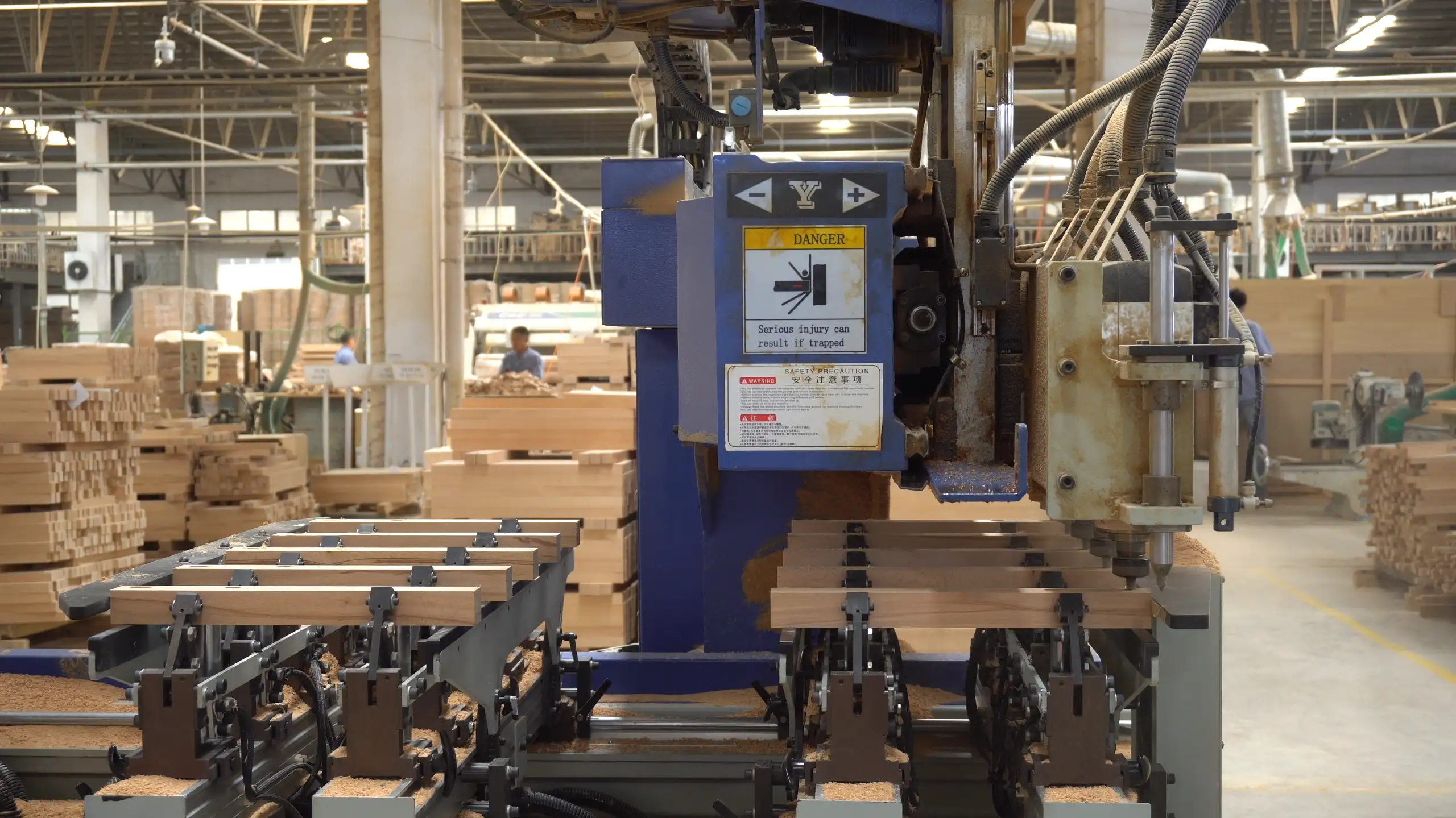
The approved version should continue to be used during sample development, production inspection and final quality control. This gives both the buyer and manufacturer a consistent reference when checking dimensions, materials and construction.
For larger hotel projects, the drawing set should also match the final BOQ and commercial documents. If a product has changed during drawing approval, the quantity, specification and quotation should be updated accordingly.
This is why drawing approval connects naturally with the earlier procurement stages described in our hotel furniture BOQ guide and quotation comparison process.
A clear drawing approval process does not eliminate every production issue, but it greatly reduces misunderstandings before they are repeated across a large furniture order.
You May Also Be Interested In
How to Compare Hotel Furniture Quotations Before Choosing a Supplier
Hotel Furniture BOQ: What Should Buyers Include Before Requesting a Quote?