
Table of contents
- Why Bedside Tables Should Be Selected With the Bed
- What Dimensions Matter Most?
- Open Shelves, Drawers or Floating Cabinets?
- Which Materials Work for Hotel Bedside Tables?
- Power Outlets and Lighting Need Early Coordination
- Why Finish Consistency Matters Across Guest Rooms
- How to Review a Bedside Table Before Bulk Production
- Choose the Bedside Table as Part of the Room
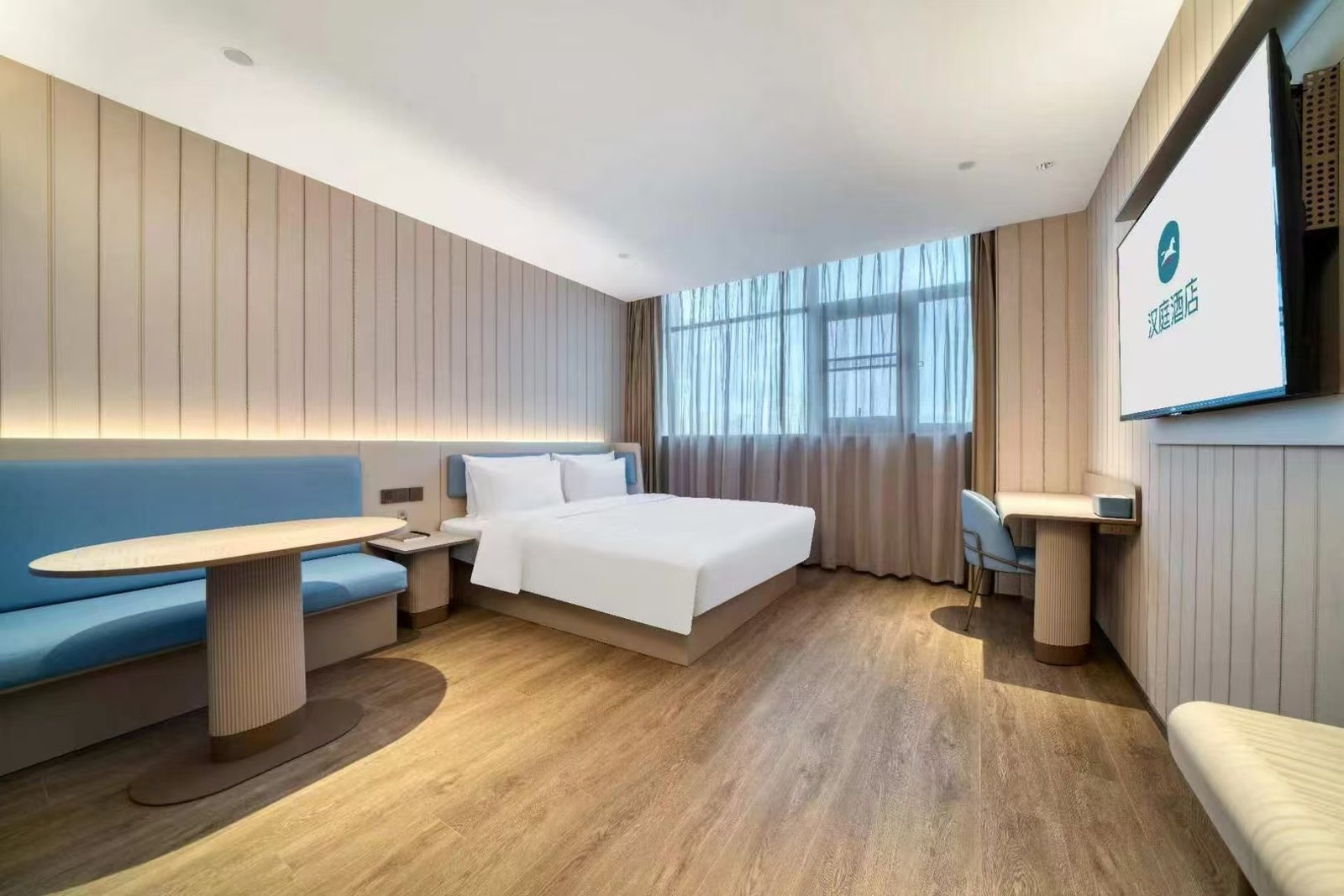
A hotel room may look complete in a furniture rendering, but small details often become obvious after installation. A bedside table might sit too low beside the mattress, its drawer may conflict with the bed frame, or its finish may not match the approved headboard.
For a hotel project involving dozens or hundreds of rooms, these seemingly minor problems can affect an entire furniture package.
Selecting hotel bedside tables requires more than finding a cabinet that matches the interior style. Buyers need to consider dimensions, storage, construction, access to electrical outlets and consistency across different guest room layouts.
The following guide focuses on the practical questions hotel purchasing teams and interior contractors should resolve before production.
Why Bedside Tables Should Be Selected With the Bed
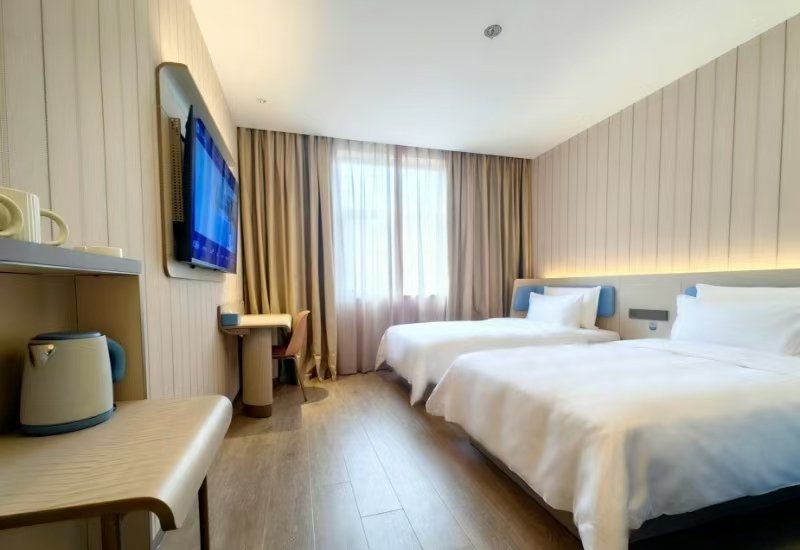
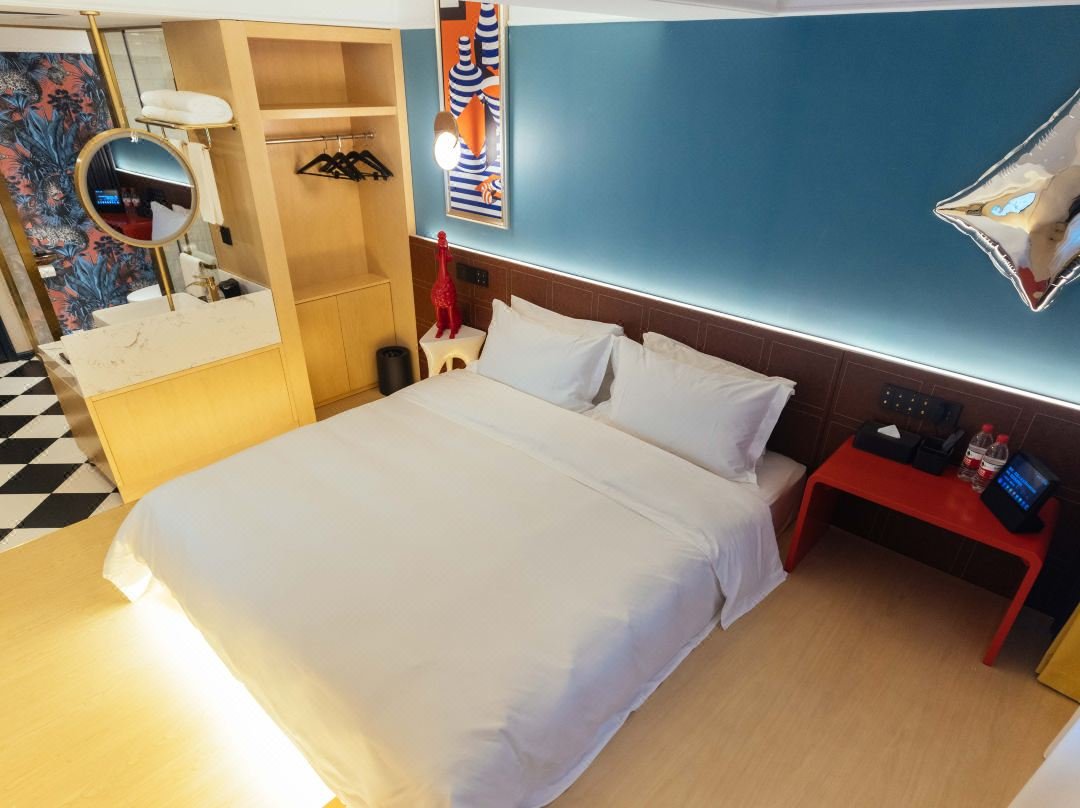
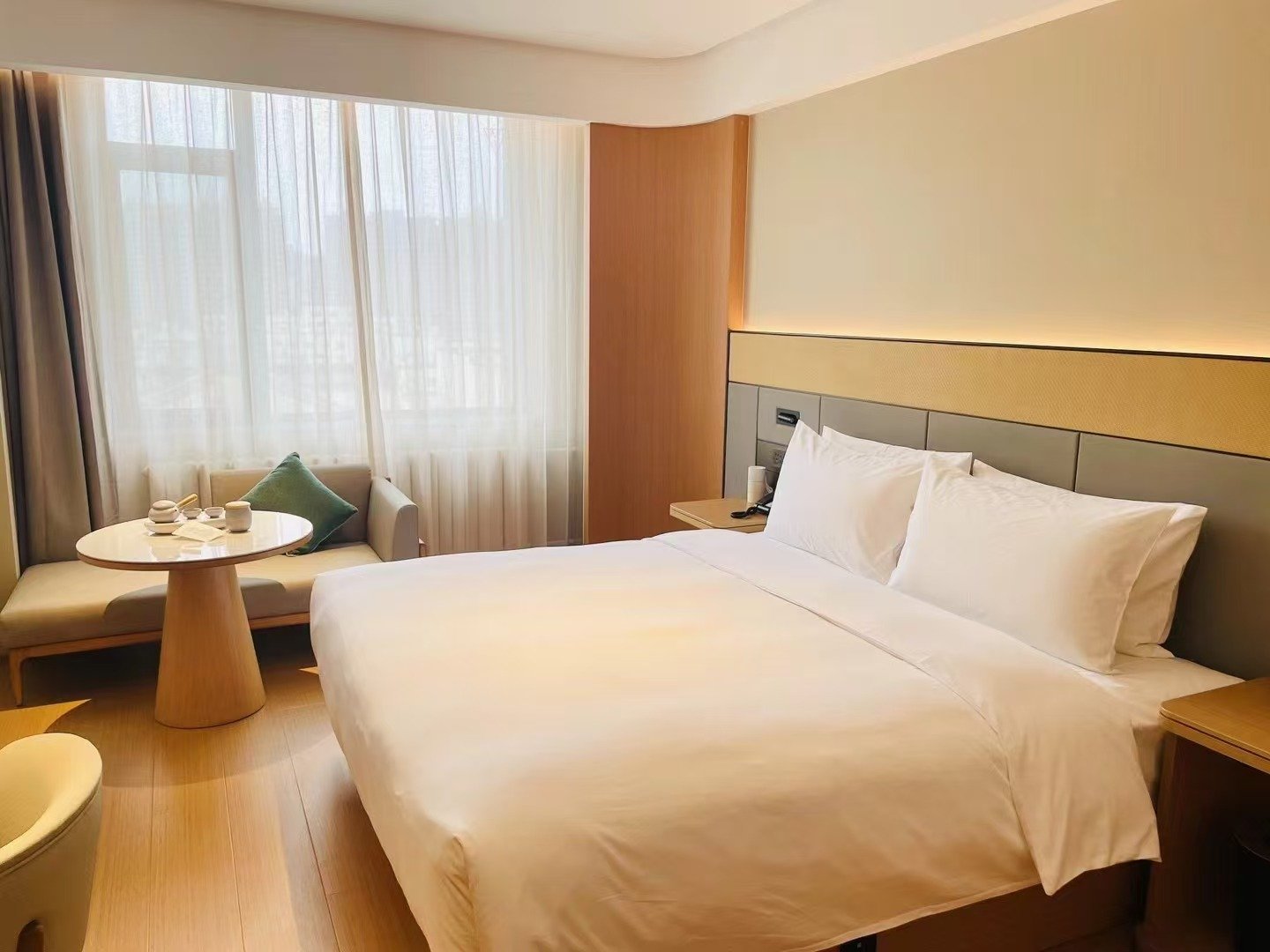
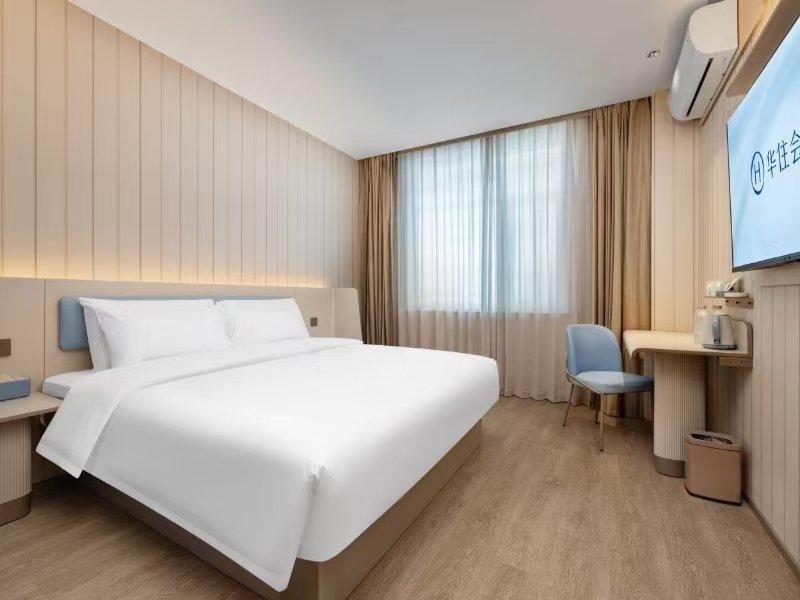
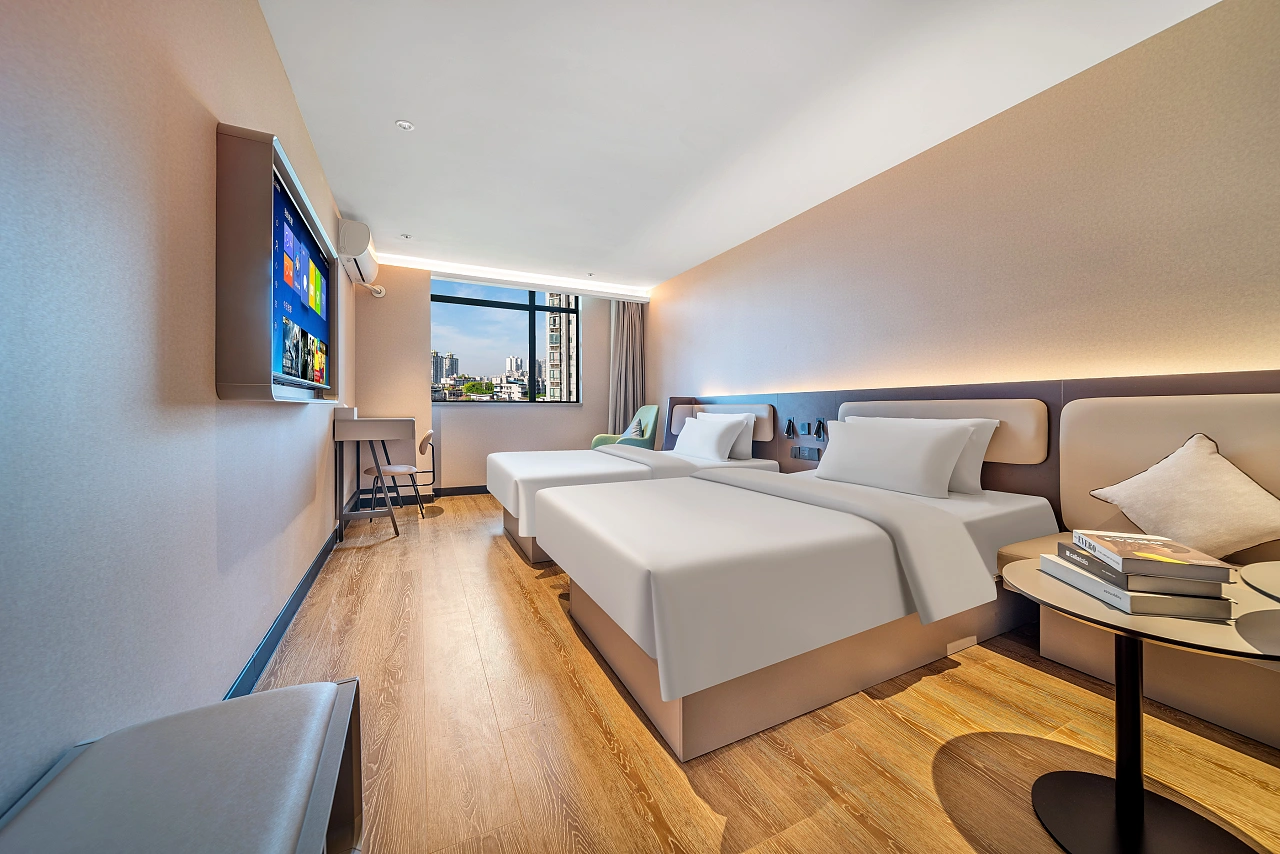
A bedside table is rarely used as an isolated piece of furniture. Its position, height and appearance are closely related to the bed and headboard.
For example, a hotel may select a wide upholstered headboard that extends beyond the mattress on both sides. If the bedside tables are chosen separately, they may cover decorative headboard panels or interfere with existing electrical outlets.
The opposite problem can also occur: a narrow headboard paired with large bedside cabinets may make the sleeping area feel crowded.
When reviewing hotel bedside tables, buyers should compare them against the approved bed and headboard drawings.
Three relationships are particularly important:
- Table and mattress height: Guests should be able to reach personal items comfortably from the bed.
- Table and headboard width: The cabinet should fit the intended composition without interfering with decorative details.
- Table and room clearance: Doors, drawers and nearby furniture need adequate operating space.
A coordinated design begins with the entire bedside arrangement rather than the cabinet alone.
What Dimensions Matter Most?
Hotel furniture drawings typically identify a bedside table’s width, depth and height. However, the overall dimensions are only the beginning.
The correct size depends on the room layout, bed position and intended use.
A compact guest room may require a narrow cabinet to preserve circulation space. A suite may allow a wider bedside unit with additional storage or a more substantial decorative surface.
Before specifying hotel bedside tables, buyers should review the following details.
| Dimension or feature | Why it matters |
|---|---|
| Overall width | Determines available space beside the bed |
| Cabinet depth | Affects circulation and access around the bed |
| Overall height | Influences reach and alignment with the mattress |
| Drawer clearance | Determines whether storage opens without obstruction |
| Base or leg design | Affects visual proportion and cleaning access |
| Distance from headboard | May affect outlets, lighting and panel details |
For rooms using different mattress heights, the same bedside cabinet may not create an identical user experience.
The project team should therefore evaluate furniture dimensions in the context of each room type, rather than assuming that one standard cabinet will suit every layout.
Open Shelves, Drawers or Floating Cabinets?
Not every hotel needs the same bedside storage arrangement.
Some properties prefer simple open designs, while others select cabinets with drawers to provide enclosed storage.
Wall-mounted or floating units may support a minimalist interior, although their installation requirements differ from freestanding furniture.
| Design | Potential advantage | Main consideration |
|---|---|---|
| Open bedside shelf | Easy access and a simple appearance | Limited concealed storage |
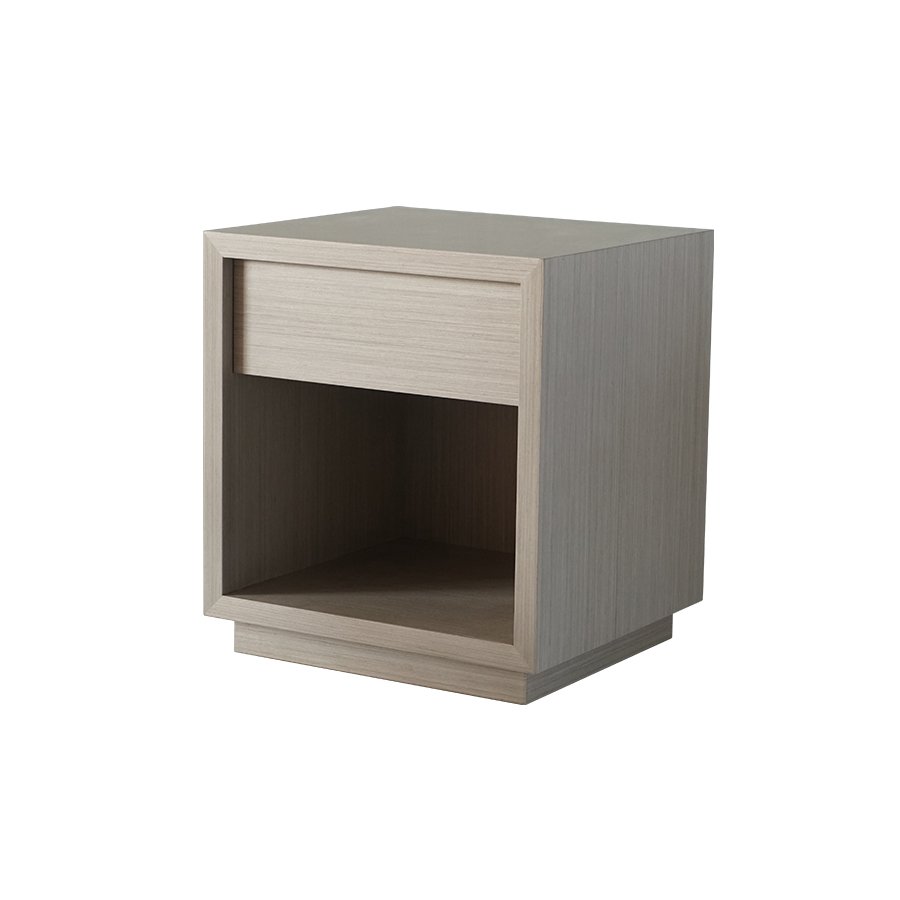
| Single-drawer nightstand | Combines a surface with personal storage | Drawer clearance and hardware |
| Multi-drawer cabinet | Provides additional enclosed storage | Greater size and construction complexity |
| Floating bedside unit | Keeps floor area visible | Wall construction and mounting requirements |
| Integrated headboard unit | Coordinates with the bed design | More detailed site measurements |
These are design options rather than universal recommendations.
For example, a freestanding hotel nightstand can be practical when the property needs flexibility in furniture placement.
A floating unit may suit a specific architectural design but should only be installed using appropriate support and fixing methods for the wall construction.
When comparing these options, consider both the guest experience and the work required during installation and maintenance.
Which Materials Work for Hotel Bedside Tables?
Many hotel bedside cabinets use engineered wood panels, wood veneers, laminates or combinations of wood-based materials and metal components.
The appropriate choice depends on the design, finish specification, budget and expected use.
A wood veneer can provide natural grain character, while a decorative laminate may help maintain a more uniform appearance across a large furniture order.
However, surface appearance does not tell the whole story.
Buyers should also check the internal panel construction, edge treatment, drawer materials and hardware.
Pay Attention to High-Contact Areas
Bedside furniture may be exposed to water glasses, guest belongings, cleaning products and repeated drawer use.
The areas worth reviewing include:
- Top surface finish and cleaning compatibility
- Exposed edges and corners
- Drawer runners and handle connections
- Cabinet joints and rear panels
- Base construction and floor contact points
For hotel bedside tables, material samples should represent the specified finished construction rather than only the decorative surface.
If a project requires particular emission classifications, surface-performance testing or other standards, buyers should request the relevant documentation instead of assuming compliance from a general material description.
Power Outlets and Lighting Need Early Coordination
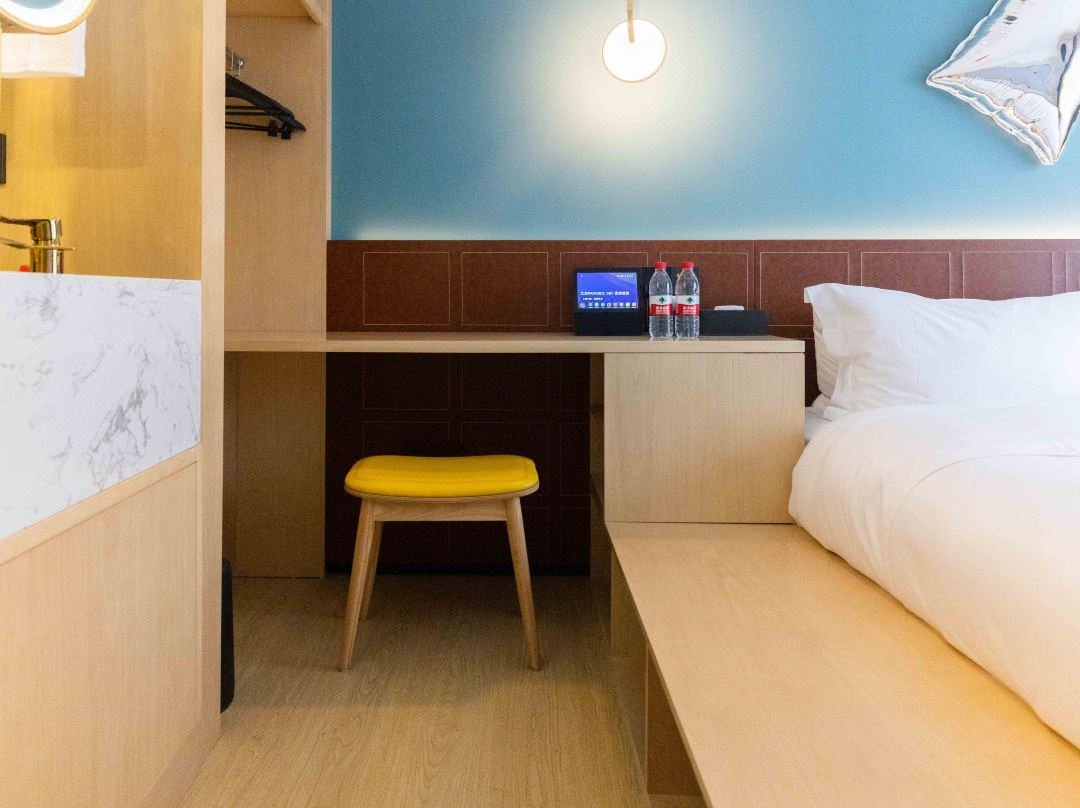
In contemporary guest rooms, bedside areas often accommodate reading lights, charging points and other electrical fittings.
This creates a coordination issue between furniture manufacturing and the project’s electrical design.
A bedside cabinet may have a cable opening or a recessed area for electrical components, but the correct position depends on the room layout.
For some projects, outlets are mounted in the headboard or wall rather than in the bedside table itself.
Buyers should confirm the intended arrangement before furniture production begins.
What Should Be Included in the Drawings?
For custom hotel bedside tables, drawings may need to identify:
- Locations of proposed cable openings
- Clearance around wall outlets and switches
- Reading-light positions
- Access to electrical components for maintenance
- Drawer or cabinet movement near electrical fittings
- Any relevant installation interfaces
Furniture cutouts do not automatically mean that electrical components are included in the furniture supply.
Electrical equipment, wiring and installation responsibilities should be confirmed separately, with applicable safety requirements addressed by qualified parties.
This distinction is especially important for international hotel projects where furniture production and building services may be managed by different contractors.
Why Finish Consistency Matters Across Guest Rooms
A hotel may order the same bedside table for 80 standard rooms, 20 deluxe rooms and several suites.
If each delivery batch has a noticeably different wood tone or surface finish, the rooms may no longer look consistent.
This can happen when finish references are unclear or material substitutions are made without approval.
For projects requiring coordinated furniture, the bedside table should be evaluated alongside the bed frame, headboard, wardrobe and other visible wood-finish products.
An approved sample can help establish the intended appearance.
Natural wood materials may show variation in grain and color, so the buyer and manufacturer should agree on acceptable differences rather than expecting every piece to look identical.
For decorative laminates and other manufactured finishes, record the approved material reference and relevant edge details.
When sourcing hotel bedside tables for future property expansions, retaining these references also makes repeat-order discussions easier.
How to Review a Bedside Table Before Bulk Production
A representative sample can reveal issues that are difficult to notice in product photographs.
For a cabinet with drawers, inspect the opening movement, alignment, handle position and internal finishing.
Check whether the cabinet sits evenly and whether exposed edges are properly finished.
If the proposed bedside table is part of a coordinated bed-and-headboard arrangement, review the products together wherever possible.
A practical inspection may include:
| Inspection point | What to check |
|---|---|
| Dimensions | Match the approved drawing |
| Surface finish | Appearance and consistency with the sample |
| Drawers | Opening, closing and alignment |
| Hardware | Correct installation and secure attachment |
| Edges | Finish quality and visible damage |
| Base | Stability and floor contact |
| Electrical interfaces | Position and clearance of specified openings |
| Packaging | Protection for corners, surfaces and hardware |
For large hotel projects, approved specifications should be retained for production checks and later deliveries.
TSXY’s Custom Furniture Solutions can be used to discuss drawings, dimensions, finish references and project-specific furniture requirements.
Choose the Bedside Table as Part of the Room
The best hotel bedside tables are not necessarily the most decorative or the ones with the most storage.
They are the cabinets that suit the bed, room layout and intended guest experience.
A compact room may benefit from a simple open shelf. A longer-stay accommodation project may need additional drawer space. A custom hotel suite may require a more coordinated design integrated with the surrounding headboard and wall finishes.
Before approving production, confirm dimensions, materials, drawer operation, electrical coordination and finish references.
For hotel purchasing teams, these checks help reduce avoidable inconsistencies between furniture drawings and the finished guest room.
Explore TSXY’s hotel furniture collection for coordinated guest room furniture, or discuss bedside cabinet specifications alongside your bed frames and headboards.