
Table of contents
- Metal and Wood Chairs at a Glance
- Which Frame Handles Frequent Movement Better?
- Which Material Is Easier to Clean?
- Does Wood Always Feel More Comfortable Than Metal?
- How Do Metal and Wood Chairs Age?
- Which Works Better for Different Restaurant Concepts?
- What Should Buyers Compare Before Approving Samples?
- Consider the Total Cost, Not Only the Chair Price
- So, Should You Choose Metal or Wood Restaurant Chairs?
Walk into two restaurants with similar seating layouts, and you may find very different chairs. One uses slim metal frames with upholstered seats. The other uses wooden chairs with curved backs and warm finishes.
Both can look appropriate. Both can also perform well in daily commercial use. The difference is rarely as simple as saying metal is stronger or wood is more comfortable.
For buyers comparing metal restaurant chairs with wooden alternatives, the decision should begin with the restaurant’s operating conditions, not just the material shown in a product photograph.
A high-turnover café, a family restaurant and an upscale dining room may all need different combinations of durability, comfort, maintenance and appearance.
Metal and Wood Chairs at a Glance
Before examining construction details, it helps to understand where each option may offer practical advantages.
| Consideration | Metal Restaurant Chairs | Wood Restaurant Chairs |
|---|---|---|
| Design appearance | Industrial, contemporary or decorative, depending on finish | Warm, traditional or contemporary |
| Frame construction | Often welded or mechanically assembled | Usually relies on joinery and reinforcement |
| Chair weight | Depends on metal type, section size and design | Depends on wood species and construction |
| Surface maintenance | Coating quality and corrosion protection matter | Protective finish and moisture exposure matter |
| Repair considerations | Some welded or coated parts can be difficult to repair invisibly | Certain wooden components may be repairable or refinished |
| Upholstery options | Available on many designs | Available on many designs |
| Long-term durability | Depends on structure, connections and finish | Depends on joinery, structure and finish |
Neither column guarantees better performance. A well-designed wooden chair may outlast a poorly made metal chair, just as a properly constructed metal chair may perform better than a wooden model with weak joints.
The important question is what sits beneath the visible material.
Which Frame Handles Frequent Movement Better?
Restaurant chairs experience repeated handling. Staff move them during cleaning, guests pull them across floors, and seating arrangements change throughout the day.
This movement places stress on joints and connection points.
What to Examine on a Metal Chair
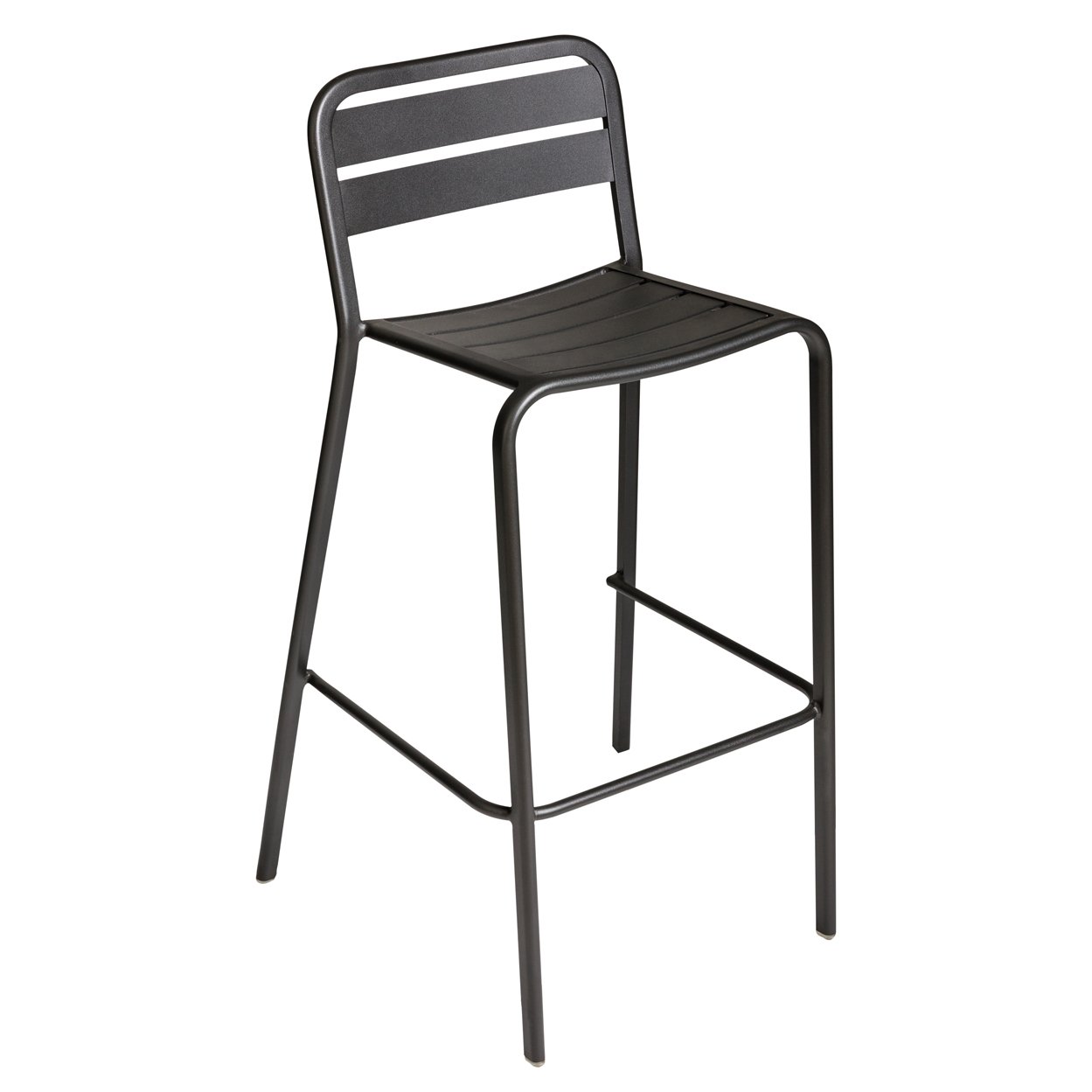
Metal frames may use welded joints, mechanical fasteners or a combination of both.
Buyers should inspect whether the legs are aligned, whether welded connections appear consistent and whether assembled components remain secure during normal movement.
The material specification matters too. Different steel and aluminum constructions can produce very different results in strength, weight and rigidity.
A slim metal frame is not automatically weak, and a thick frame is not automatically well engineered.
What to Examine on a Wooden Chair
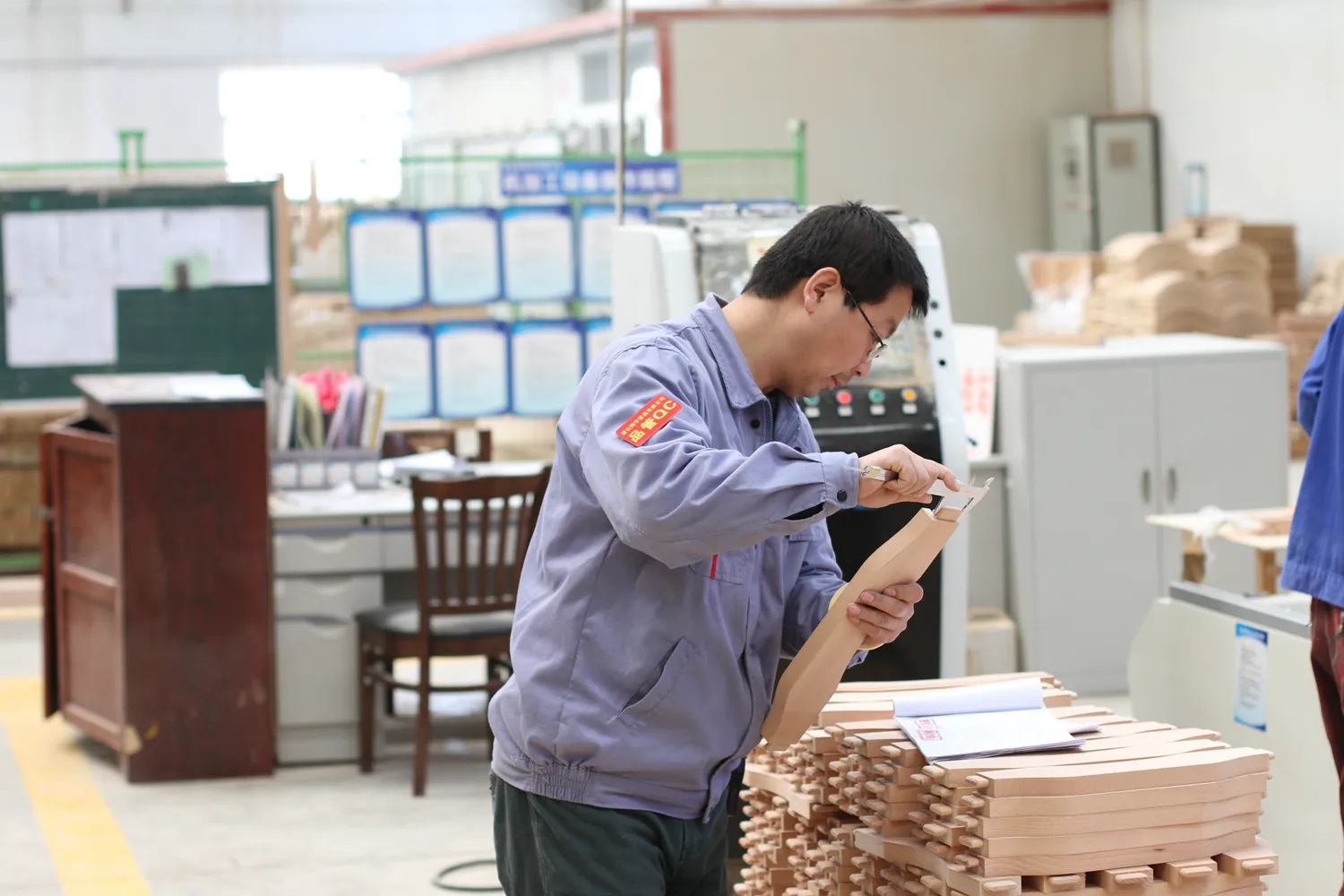
Wooden restaurant chairs rely heavily on joint design and construction quality.
A chair may use mortise-and-tenon joints, dowels, reinforced connections or other methods depending on the design.
Pay attention to how the legs connect to the seat structure and how the backrest is supported. These areas can be exposed to repeated forces when guests sit down, lean back or move the chair.
Wood movement caused by changes in temperature and humidity should also be considered, particularly where the chair contains solid wood components.
For both materials, structural design and manufacturing quality matter more than a simple metal-versus-wood label.
Which Material Is Easier to Clean?
Cleaning is one of the clearest practical differences between restaurant seating and residential furniture.
Spilled drinks, food residue, floor cleaning and repeated wiping can expose chair surfaces to moisture and cleaning chemicals.
Metal chairs with suitable protective finishes may be straightforward to wipe down, but scratches and damaged coatings can expose underlying material. Corrosion resistance is particularly important where moisture is frequent or when chairs are used outdoors.
Wooden chairs can also be easy to maintain when they have a suitable protective coating. However, exposed wood, damaged finishes and poorly sealed joints may be more sensitive to moisture.
Consider these common situations:
| Restaurant condition | Metal chair considerations | Wooden chair considerations |
|---|---|---|
| Frequent table and chair cleaning | Confirm coating compatibility with cleaning products | Check protective finish and exposed joints |
| Drink spills | Examine seams and areas where moisture can collect | Check edge sealing and moisture-sensitive areas |
| High-contact surfaces | Review coating resistance to routine wear | Review finish resistance to scratches and impacts |
| Humid environment | Check material and corrosion protection | Consider dimensional movement and finish stability |
| Outdoor dining | Confirm suitability for outdoor exposure | Confirm timber, finish and construction are outdoor-rated |
An indoor metal chair should not automatically be treated as outdoor furniture. The same applies to wooden chairs. Outdoor suitability needs to be supported by the actual materials and construction specifications.
Does Wood Always Feel More Comfortable Than Metal?
Not necessarily.
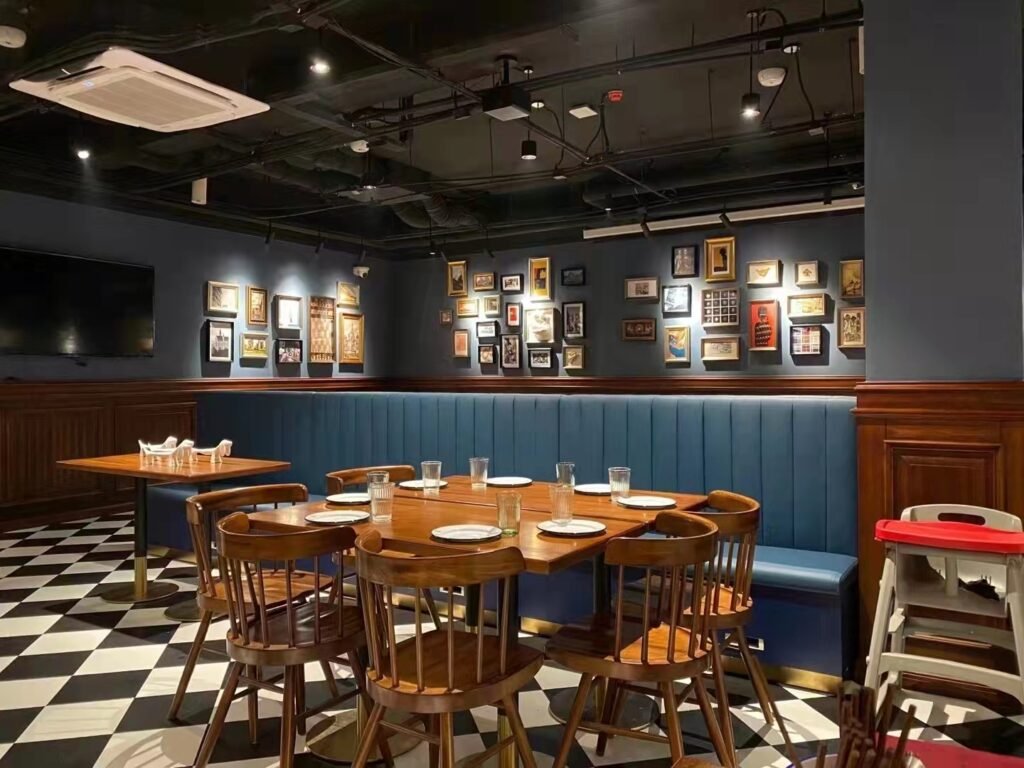
Guests sit on the seat and against the backrest, not simply on a material specification.
A wooden chair with an unsuitable backrest angle can be uncomfortable. A metal-frame chair with a well-designed seat and supportive upholstery may be comfortable for a long meal.
The reverse can also be true.
Comfort depends on several connected factors:
- Seat height relative to the dining table
- Seat width and depth
- Backrest shape and angle
- Cushion firmness and support
- Armrest position, if included
- The intended length of the dining experience
A solid wooden seat may work well in a casual café where guests typically stay for shorter periods. A metal chair with a padded seat and backrest may be more suitable for some full-service restaurants.
However, the material itself does not determine the ideal dining time.
When reviewing restaurant chair samples, buyers should test the actual product beside the intended table. Photographs cannot fully communicate seat proportions, pressure points or how easily a guest can stand up.
How Do Metal and Wood Chairs Age?
Initial appearance is important, but commercial furniture buyers should also consider how a chair may look after extended use.
Different materials show wear in different ways.
Common Wear on Metal Chairs
Depending on the finish and operating conditions, metal chairs may develop coating scratches, worn floor-contact points or visible marks around frequently handled areas.
Powder-coated finishes, plated surfaces and painted components each have different maintenance considerations.
If a coating is damaged, matching the original appearance during repair may be difficult, especially with textured or decorative finishes.
Common Wear on Wooden Chairs
Wooden chairs may develop scratches, dents or finish wear around edges and other high-contact areas.
The appearance of aging depends on the wood species, surface treatment, protective coating and how the chair is used.
Some wooden components can be refinished, but the practicality of repair depends on whether the surface is solid wood, veneer or another construction.
Buyers should not assume that every wooden chair can be sanded and refinished repeatedly.
What About Upholstered Seats?
Both metal and wooden chairs can use upholstered seats or backs.
In these cases, upholstery may require attention before the frame reaches the end of its useful life.
Fabric selection, foam construction, stitching and replacement arrangements should therefore be included in the purchasing decision.
The most economical chair over several years may not be the one with the lowest initial price. It may be the one that is easier to maintain and less disruptive to replace.
Which Works Better for Different Restaurant Concepts?
Rather than choosing one material for every dining space, match the chair construction to the restaurant’s priorities.
<text>For a busy café</text>
Easy handling, cleaning and flexible arrangements are often important. Slim metal frames or compact wooden chairs may both be suitable, depending on weight, stability and finish.
<text>For a casual dining restaurant</text>
Durability, comfortable proportions and a balanced appearance should guide the decision. Metal and wooden frames are both viable, provided the construction suits regular commercial use.
<text>For a fine-dining restaurant</text>
Comfort, visual consistency and finish details may receive greater attention. Upholstered wooden chairs, upholstered metal-frame chairs and mixed-material designs can all work.
<text>For a restaurant chain</text>
Consistency across locations may be more important than the choice of frame material alone. Buyers should consider repeatable dimensions, approved finishes, production references and replacement arrangements.
<text>For a restaurant with outdoor seating</text>
The furniture must be specified for outdoor exposure. Protective finishes, moisture resistance, corrosion considerations and storage requirements should be reviewed carefully.
There is no reason a restaurant must use only one frame material. Some projects combine metal chairs in high-turnover areas with upholstered wooden seating in quieter dining sections.
What matters is whether the arrangement supports a consistent customer experience and practical operation.
What Should Buyers Compare Before Approving Samples?
When comparing two chair models, a structured sample review is more useful than asking which one feels stronger.
Start with the actual dimensions and specifications, then evaluate both chairs under similar conditions.
| Sample review item | What to check |
|---|---|
| Overall dimensions | Confirm the chair fits the floor plan and dining tables |
| Frame stability | Check for rocking or unusual movement |
| Joint construction | Inspect visible welds, joinery and fasteners |
| Seat comfort | Compare support, depth and backrest angle |
| Chair handling | Evaluate movement and weight |
| Surface finish | Check consistency, visible defects and cleaning requirements |
| Floor-contact parts | Confirm suitable glides or feet |
| Upholstery | Check material, foam and stitching where applicable |
| Specification accuracy | Compare the sample with approved drawings and materials |
For significant orders, buyers should also request appropriate test information where required by the project. Commercial durability requirements should be established during procurement rather than assumed from marketing descriptions.
Keep the approved sample or a detailed record of its specifications as a reference for production.
This becomes particularly important when several chair models, materials or finishes are included in the same project.
Consider the Total Cost, Not Only the Chair Price
Metal and wooden chairs can have different cost structures, but it is difficult to make a reliable general claim that one is always cheaper.
Price depends on factors such as frame material, construction complexity, surface finish, upholstery, order quantity and production requirements.
For a bulk project, buyers should compare equivalent specifications.
A metal chair with a basic frame and simple finish should not be treated as directly equivalent to a wooden chair with complex joinery and premium upholstery.
The quotation should make key differences visible.
Before confirming the order, clarify the frame specification, finish, upholstery, packing method, sample approval conditions and production lead time.
Future replacement is another consideration. If the restaurant expects to purchase the same chairs for additional locations, matching materials and finishes may matter as much as the original unit price.
For businesses sourcing restaurant furniture in larger quantities, consistent specifications make supplier comparisons and future ordering more reliable.
So, Should You Choose Metal or Wood Restaurant Chairs?
The better option depends on what the restaurant expects from its seating.
Choose a metal-frame design when its construction, finish, weight and maintenance characteristics match the space. Choose a wooden design when its appearance, comfort, joinery and protective finish better suit the project.
Do not assume metal means stronger or wood means more comfortable. Both materials can be used to produce reliable commercial chairs, and both can disappoint when design or manufacturing quality is poor.
A sensible purchasing decision starts with the dining environment, then moves through sample testing, specifications and long-term maintenance.
For restaurant owners, contractors and purchasing teams, evaluating those details carefully is more useful than choosing a chair based on material alone.
Explore TSXY’s commercial restaurant furniture range for dining seating and other furniture options, or discuss project-specific chair dimensions, materials and finishes through our Custom Furniture Solutions.