
Table of contents
- Why Finish Differences Appear Even After a Sample Is Approved
- Start with One Master Finish Reference
- Check the Finish on the Actual Material
- Lighting Can Change How a Finish Looks
- Different Materials Need Different Finish Controls
- Keep the Approved Sample Connected to the Production Order
- Check the First Production Pieces Before Running the Full Order
- Record What Is Approved Before Mass Production
- Finish Consistency Is a Production Issue, Not Just a Design Issue
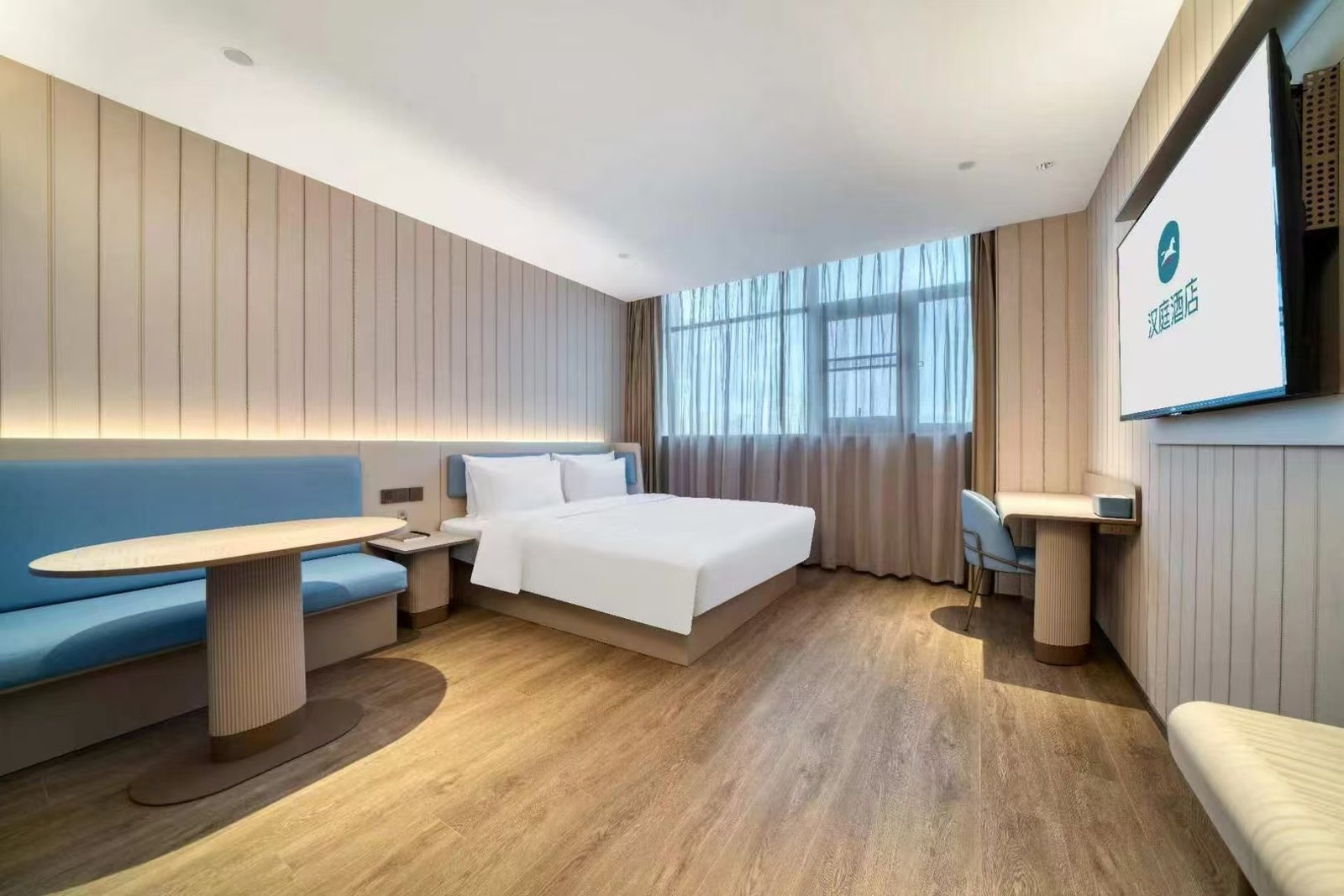
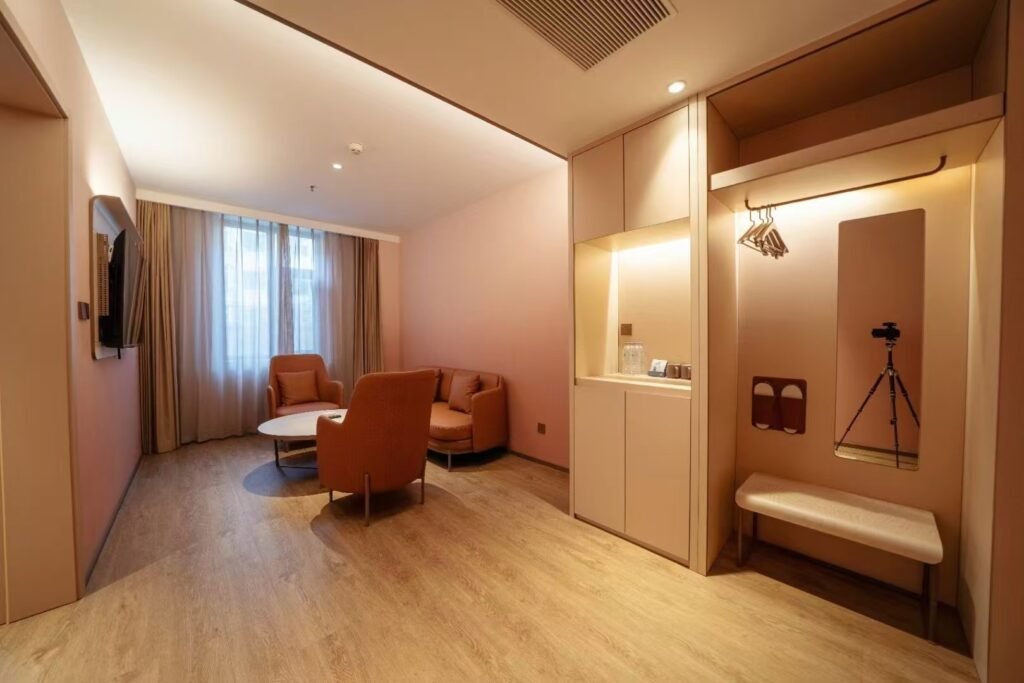
For a large hotel project, hotel furniture finish matching can be just as important as the furniture design itself. A nightstand, wardrobe, desk and headboard may all be manufactured correctly, but if their finishes do not work together, the completed room can still look inconsistent.
This becomes more noticeable when the same furniture package is repeated across dozens or hundreds of rooms. Small differences that seem acceptable on one piece can become obvious when they appear throughout the property.
The best way to control this is not to wait until the finished furniture arrives. Finish consistency needs to be controlled from sample development through bulk production.
Why Finish Differences Appear Even After a Sample Is Approved
An approved sample does not automatically guarantee that every production piece will look exactly the same.
There are several reasons for this.
- Natural wood and veneer can vary from one batch to another.
- Different substrates can absorb finishes differently.
- Metal surfaces can show differences in coating or plating.
- Fabric can vary slightly between production batches.
- Lighting can make the same color appear different in different areas.
- Production teams may interpret an old sample differently if the specification is not recorded clearly.
This means the physical sample should not be the only reference. The supplier also needs a clear record of the materials, finish process and approved color standard behind that sample.
Start with One Master Finish Reference
For projects with multiple furniture pieces, buyers should establish a master finish reference before approving individual products.
This can include:
- wood veneer or wood species
- stain color
- paint color
- metal finish
- fabric
- leather or synthetic leather
- hardware finish
The purpose is simple: different products should be compared against the same approved reference instead of being approved separately without a common standard.
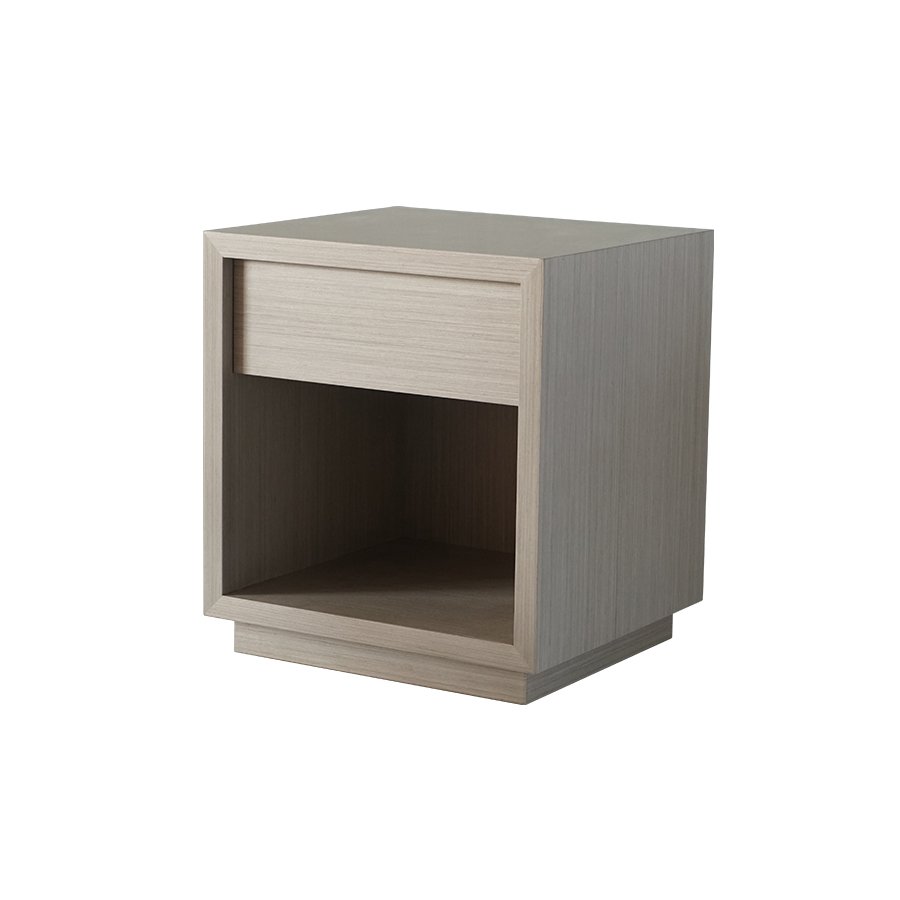
For example, if a hotel uses a dark walnut finish across the guest room, the nightstand, desk, wardrobe and headboard should all be checked against the same approved finish reference.
This becomes especially important when different furniture components are produced using different materials or production processes.
Check the Finish on the Actual Material
A digital rendering can show the intended color, but it cannot replace a physical material sample.
The same stain can look different on different wood species. A paint color can appear different on MDF, metal or another substrate. A fabric color can also change depending on texture and surface reflection.
For that reason, buyers should avoid approving important finishes only from screen images.
A better sequence is:
design reference → material sample → finished sample → approval.
The finished sample should use the same or equivalent production material wherever possible. Otherwise, the buyer may approve a color on one substrate and discover a different result when the actual furniture is produced.
Lighting Can Change How a Finish Looks
One of the easiest details to overlook is lighting.
A wood finish viewed under a showroom light may look warmer or cooler than it does under the lighting installed in the hotel room.
The same issue can happen with fabrics, painted surfaces and metal finishes.
For important projects, finish evaluation should therefore consider the environment where the furniture will actually be installed.
Warm lighting
Can make wood tones and some fabrics appear warmer and more yellow.
Cool lighting
Can make some finishes appear more gray, blue or neutral.
Natural daylight
Can reveal color differences that are less obvious under artificial lighting.
For a hotel project with a carefully controlled interior design, comparing samples under more than one lighting condition can prevent unnecessary corrections later.
Different Materials Need Different Finish Controls
Not every finish should be controlled in exactly the same way.
| Material | What to Control | Common Risk |
|---|---|---|
| Natural Veneer | Wood species, stain and grain direction | Natural variation between pieces |
| MDF / Panel | Surface preparation and coating | Different absorption or surface texture |
| Metal | Coating, plating and surface treatment | Different gloss or color tone |
| Fabric | Color, texture and batch | Shade variation between batches |
| Solid Wood | Species, moisture and finish | Natural color and grain variation |
The goal is not to eliminate every natural variation. That is unrealistic with materials such as wood.
The goal is to define what variation is acceptable and make sure the production team understands the approved range.
Keep the Approved Sample Connected to the Production Order
One common mistake is treating sample approval as the end of the development process.
Once the sample is approved, the specification needs to follow the order into production.
The supplier should be able to identify:
- which sample was approved
- which material was used
- which finish formula or reference applies
- which item codes use the finish
- which room types require the finish
This is especially important when a project contains several furniture collections.
A finish that belongs to one room type should not accidentally be used on another simply because the two products look similar in the drawings.
For custom hotel furniture, clear item codes and revision records can prevent this type of mistake.
Check the First Production Pieces Before Running the Full Order
The first production pieces are an important checkpoint.
Even when the sample was approved correctly, the actual production process may reveal differences caused by material batches, equipment settings or production conditions.
Before the factory produces the entire order, buyers should check representative pieces for:
- finish color
- surface gloss
- wood grain direction
- edge treatment
- metal finish
- fabric color and texture
- hardware appearance
If something is wrong, this is the easiest point to correct it.
Discovering the same problem after several hundred pieces have already been completed can affect both cost and delivery time.
Record What Is Approved Before Mass Production
A simple finish approval record can prevent many unnecessary discussions later.
For each important finish, buyers can record:
| Reference | Information to Record |
|---|---|
| Material | Species, grade or substrate |
| Color | Approved color reference or sample |
| Surface | Gloss, texture or treatment |
| Application | Which furniture items use the finish |
| Sample | Approved physical sample or reference number |
| Date | Approval date and revision |
This does not need to become complicated paperwork. The important thing is that the buyer and supplier are working from the same reference.
It also makes future replacement orders easier because the original finish does not depend entirely on someone’s memory.
Finish Consistency Is a Production Issue, Not Just a Design Issue
For a hotel project, the final appearance depends on more than the designer’s original color selection.
The material, finish process, sample approval, production settings and inspection all contribute to the result.
That is why hotel furniture finish matching should be treated as part of project quality control rather than simply a decorative detail.
A good process is straightforward:
define the finish → approve the material → make the sample → record the standard → check early production → control the bulk order.
When this process is followed, it becomes much easier to keep guest room furniture visually consistent across a large project.
For buyers sourcing custom hotel furniture for complete hospitality projects, finish control is particularly important when casegoods, seating and other furniture pieces need to share the same overall design language.
The objective is not to make every piece artificially identical. It is to make sure that the differences are intentional, acceptable and consistent with the approved design.
You May Also Be Interested In
What Should Buyers Expect from Hotel Room Furniture Suppliers?
How Do Buyers Find the Best Hotel Furniture Suppliers for a Project?