
Table of contents
- Breakfast Areas and All-Day Restaurants Do Not Need the Same Furniture
- Dining Chairs Need a Different Balance of Comfort and Mobility
- Table Size Should Follow the Menu and Seating Layout
- Easy Cleaning Can Matter More Than Decorative Detail
- Booths and Loose Seating Solve Different Layout Problems
- Restaurant Furniture Has to Work with Staff Circulation
- Standard Products and Custom Furniture Can Be Mixed
- The Best Choice Depends on How the Restaurant Actually Operates
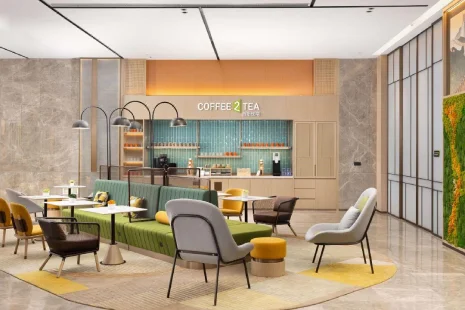
Choosing hotel restaurant furniture requires a different approach from furnishing a guest room. Restaurant chairs and tables may be used by dozens of different guests every day, moved frequently by staff and cleaned repeatedly between service periods.
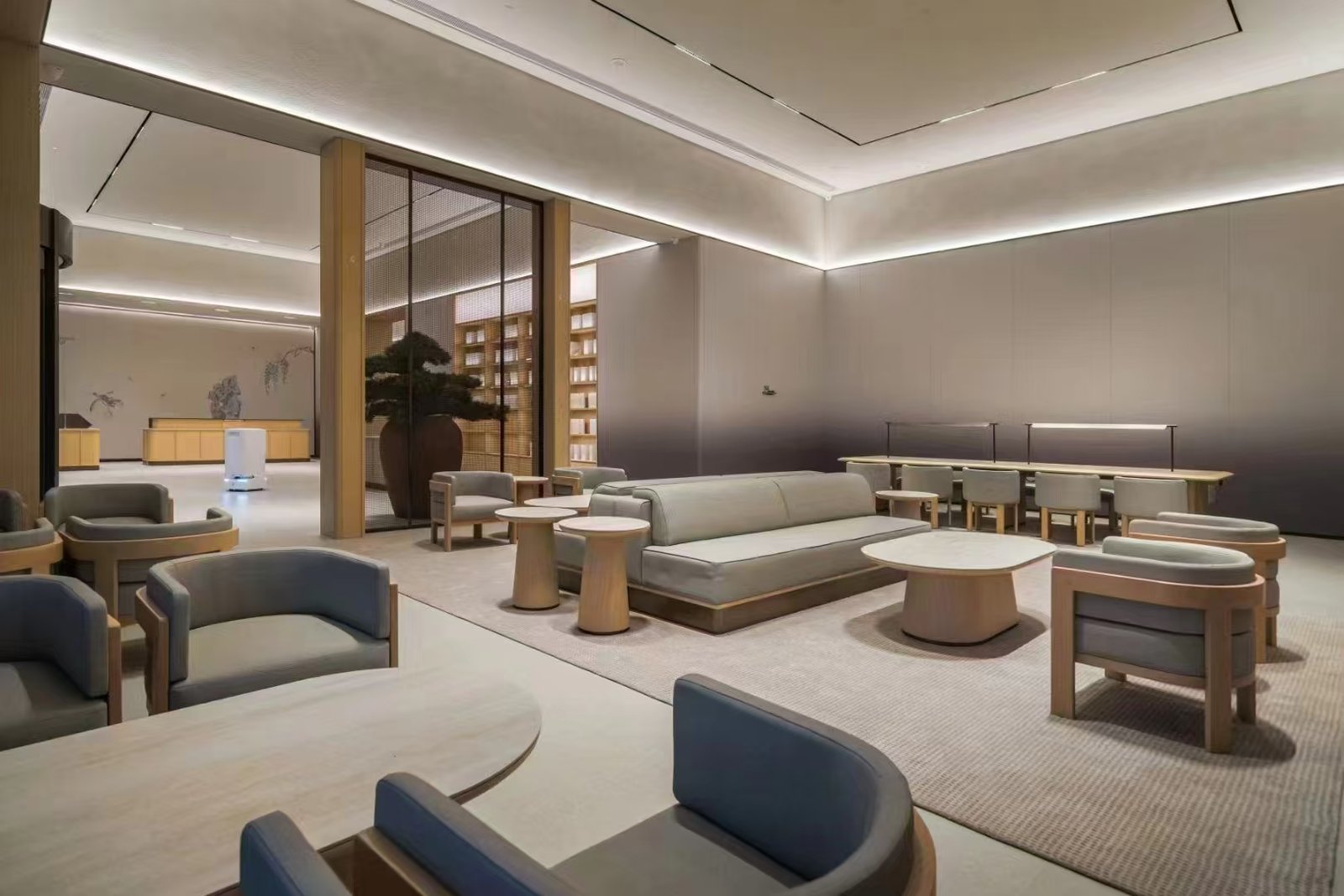
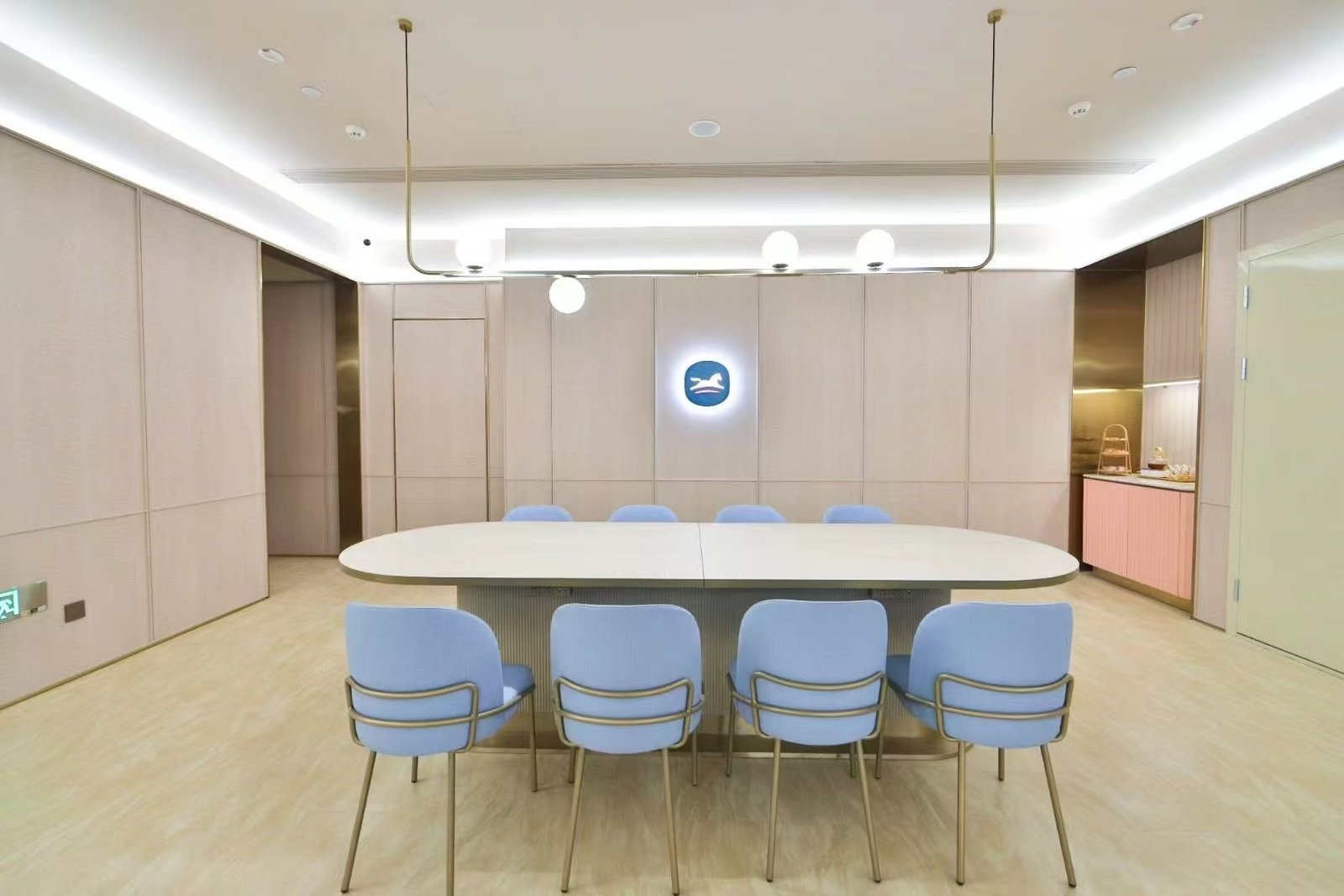
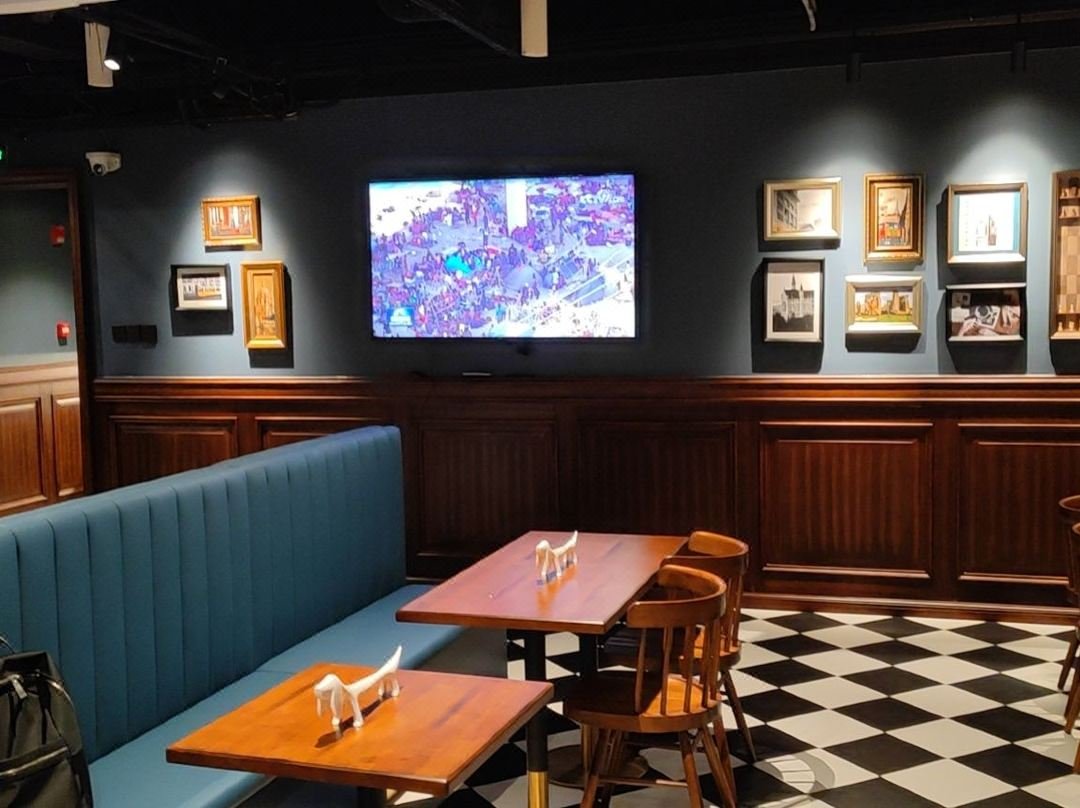
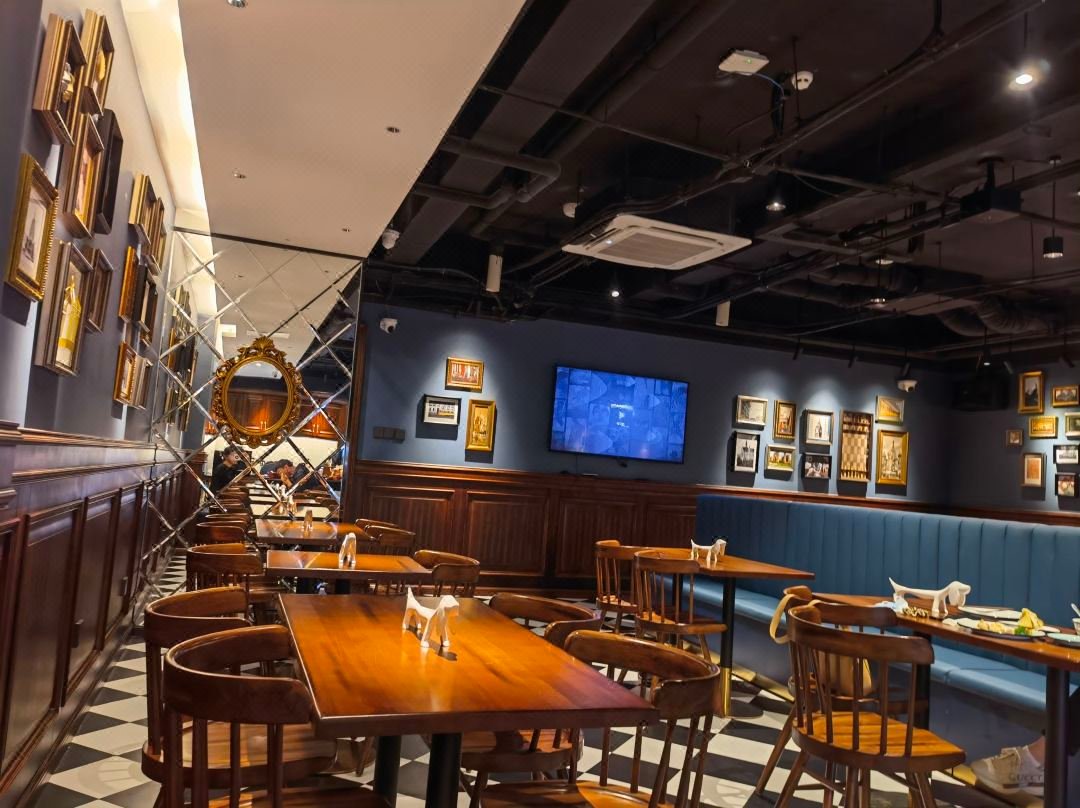
The same hotel may also have several very different dining environments: a breakfast room, an all-day restaurant, a bar, a private dining space and an outdoor terrace. Each area places different demands on furniture.
For buyers, the most useful approach is to match the furniture specification to the way each dining area actually operates rather than selecting one chair and table style for the entire property.
Breakfast Areas and All-Day Restaurants Do Not Need the Same Furniture
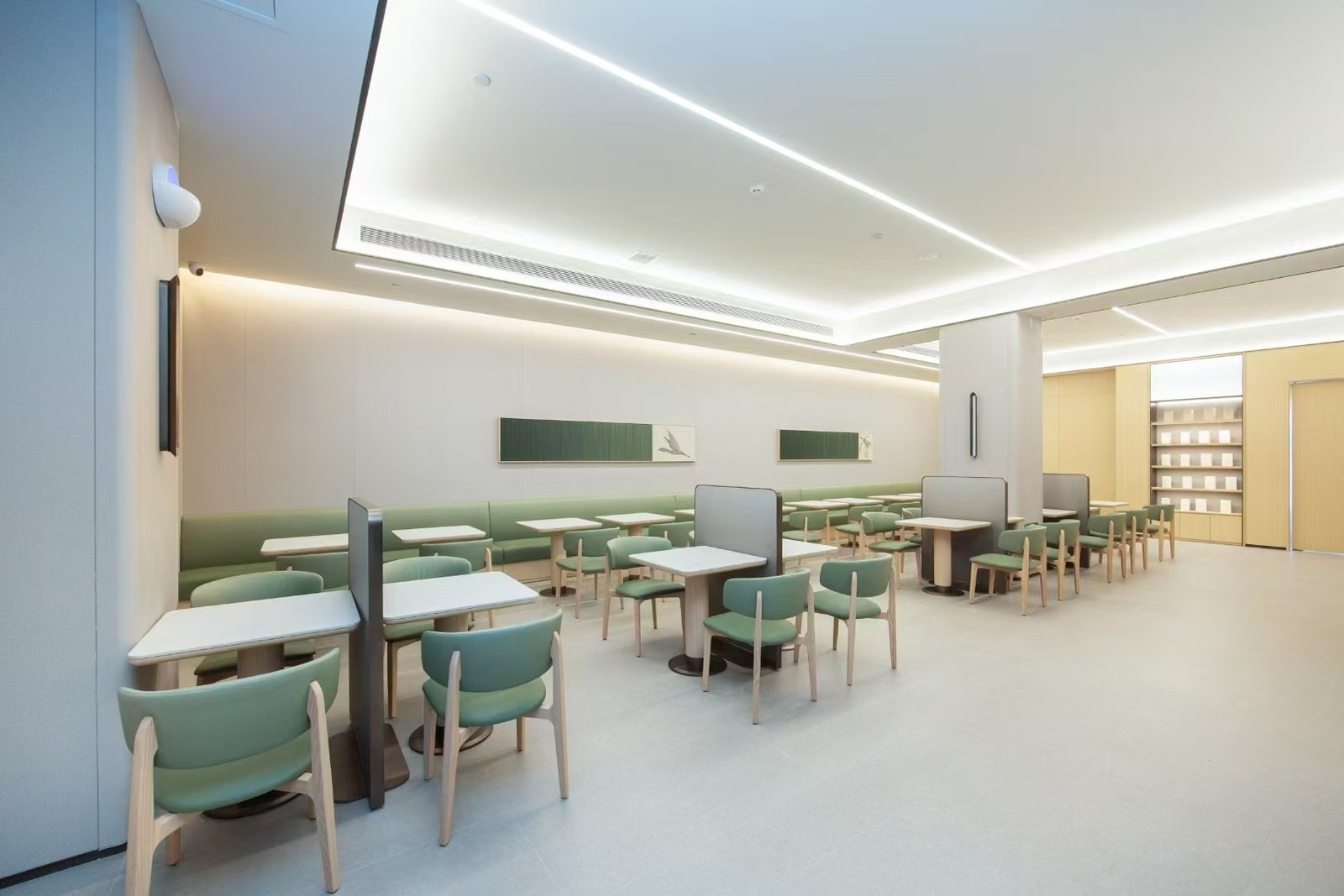
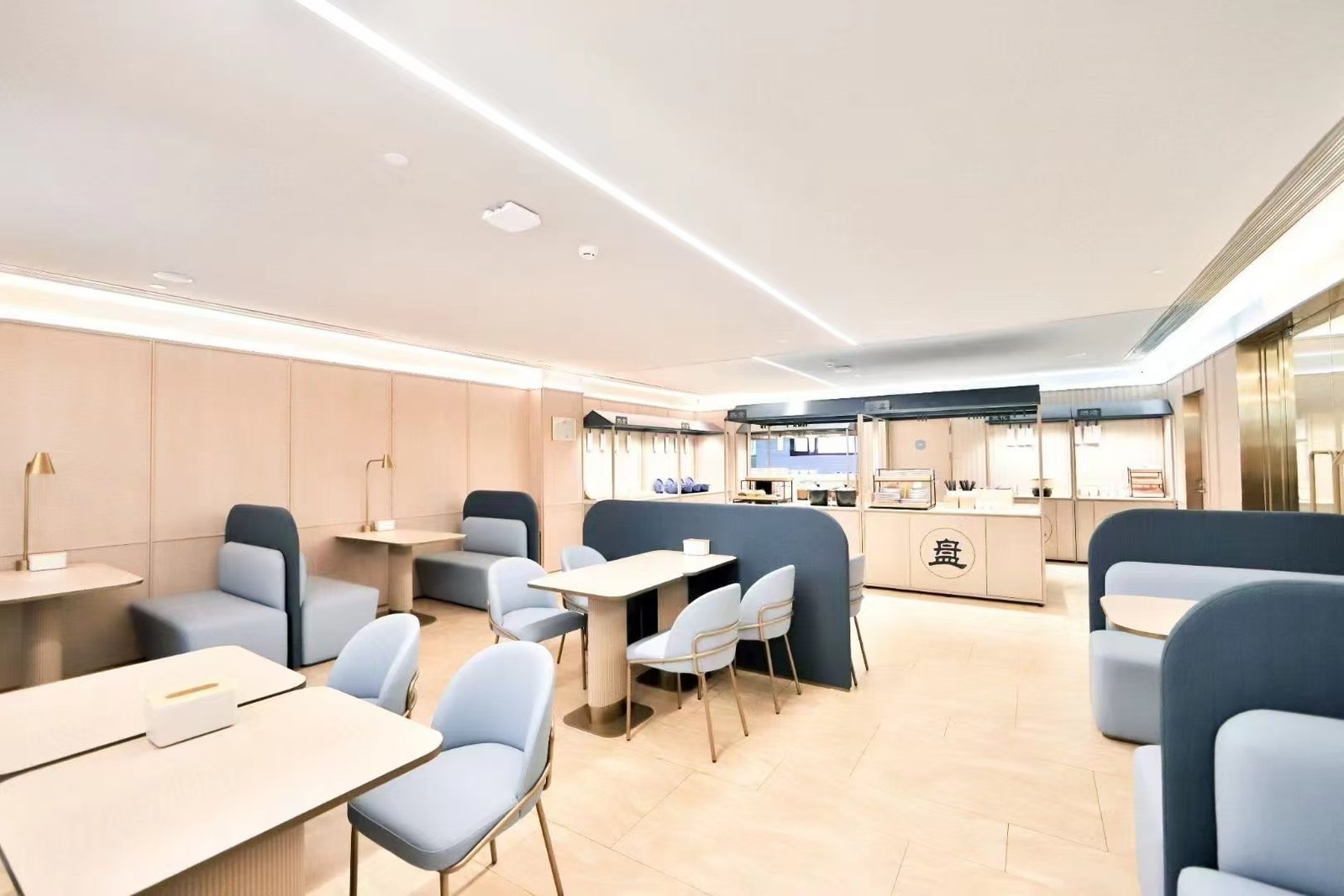
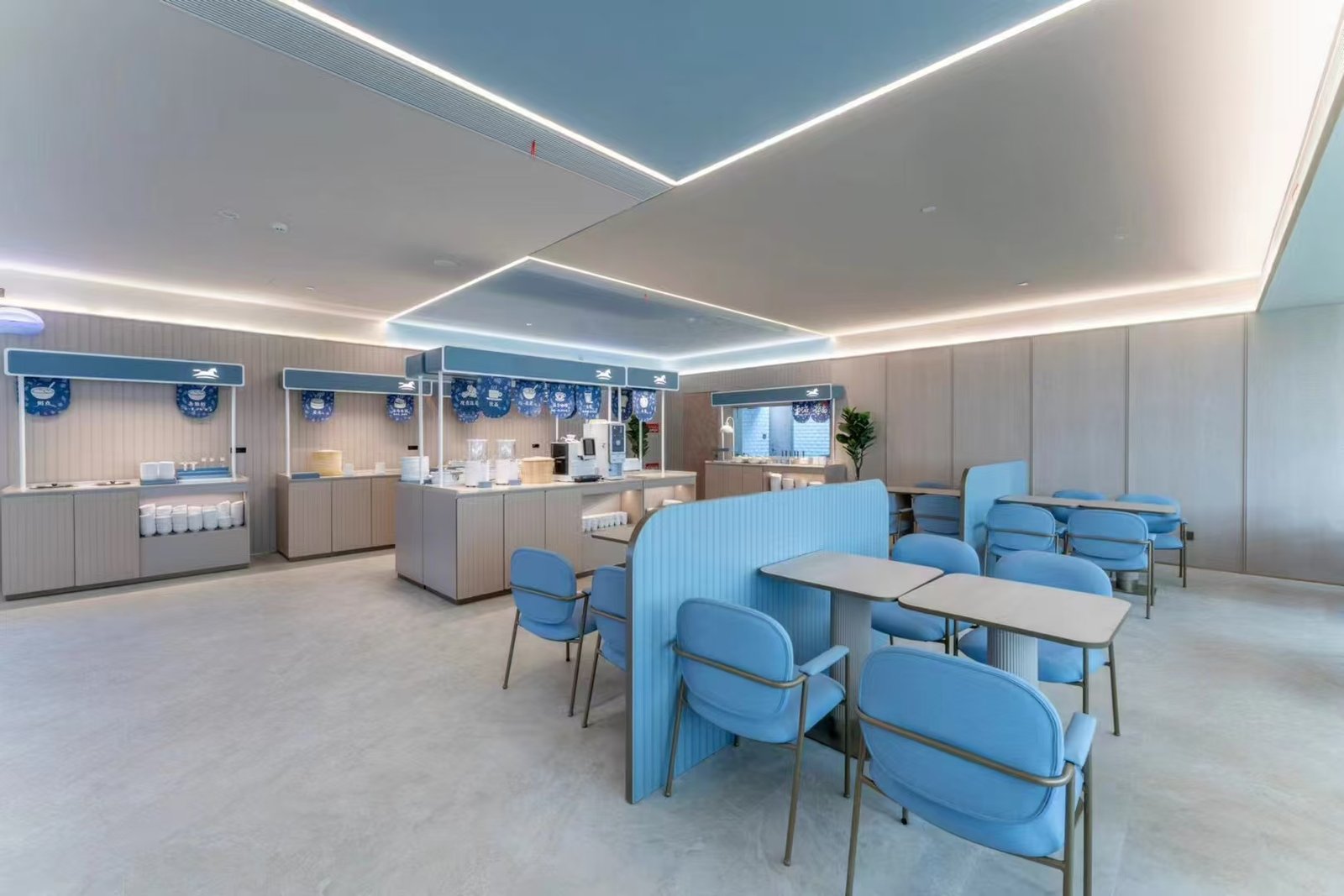
A hotel breakfast room often has high turnover within a relatively short period. Guests arrive, eat and leave, while staff continuously clear and reset tables.
An all-day restaurant may have longer dining periods, more varied seating and a stronger focus on atmosphere.
| Dining Area | Main Priority | Furniture Direction |
|---|---|---|
| Breakfast Room | Fast turnover and easy cleaning | Compact chairs, practical tables and simple surfaces |
| All-Day Dining | Comfort and longer guest stays | More supportive seating and coordinated finishes |
| Fine Dining | Guest experience and atmosphere | Higher comfort, upholstery and refined details |
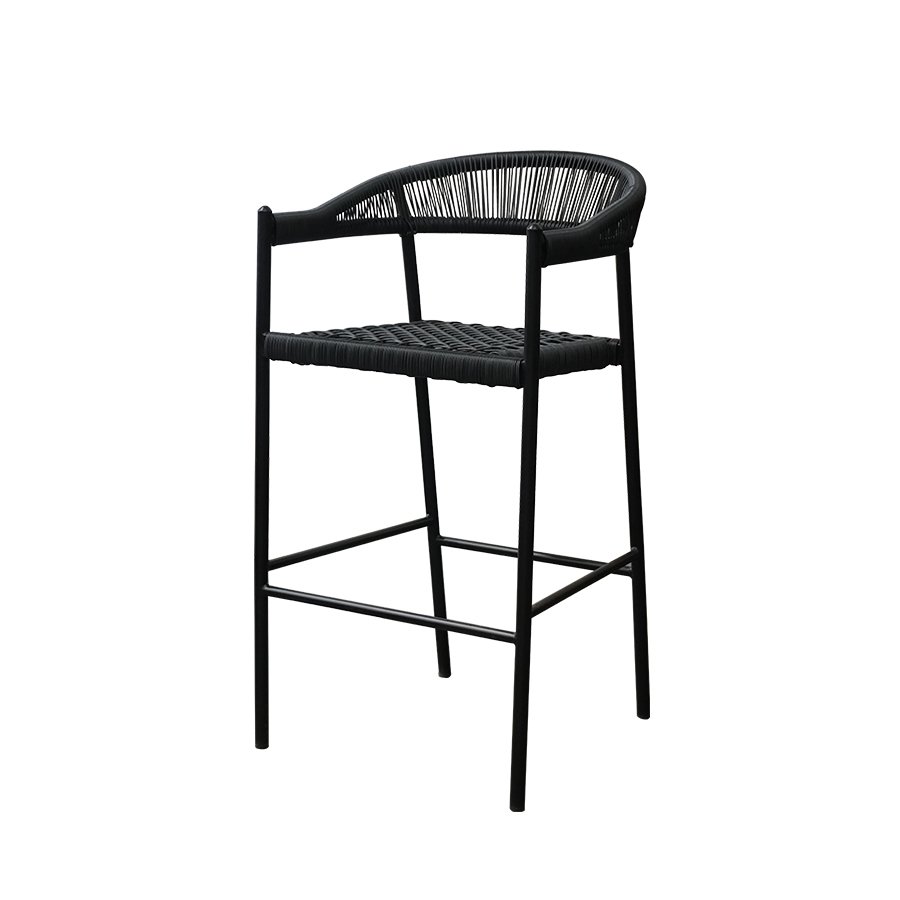
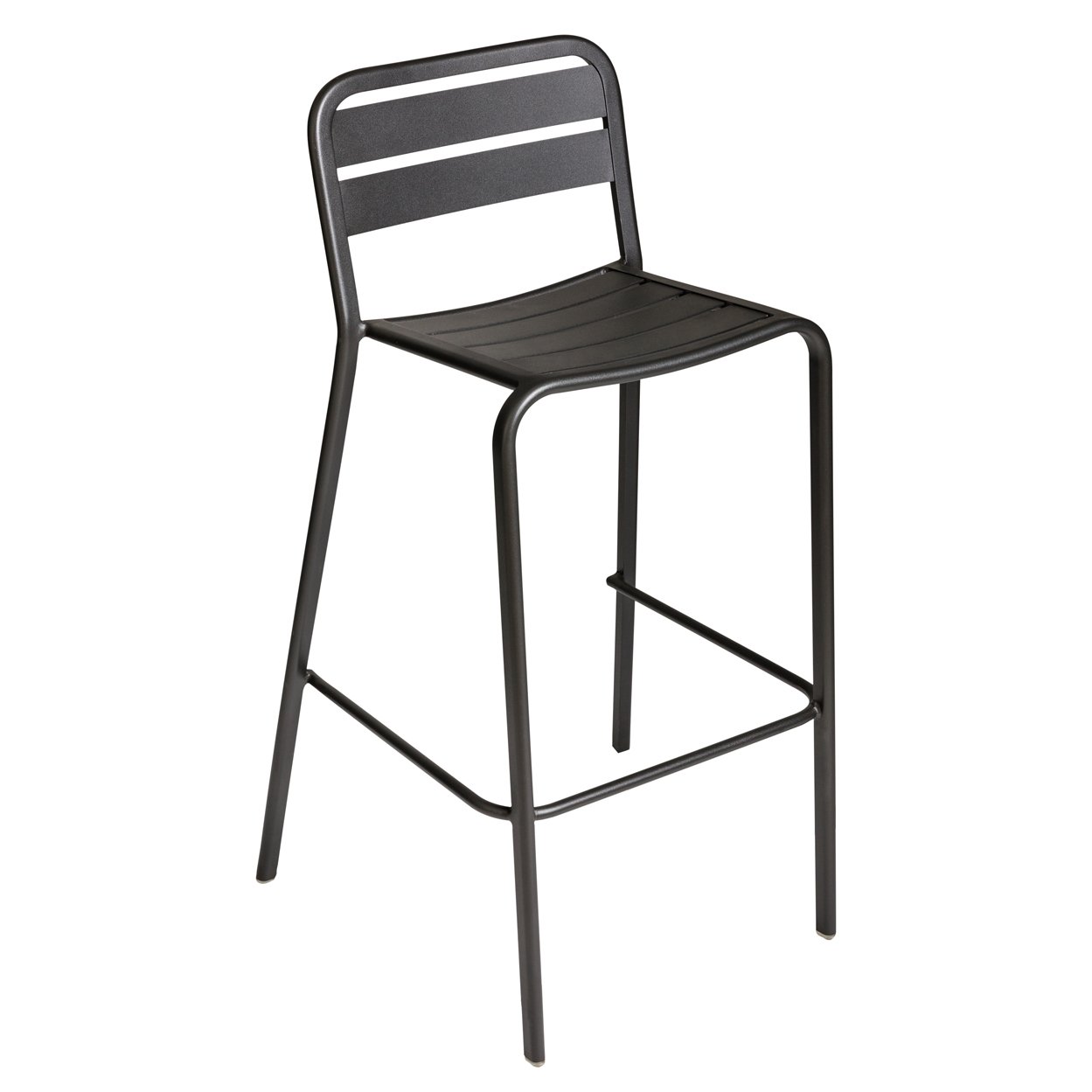
| Bar / Lounge | Flexible social seating | Bar stools, lounge chairs and smaller tables |
| Outdoor Dining | Weather resistance and easy maintenance | Outdoor-rated frames, finishes and surfaces |
This is why furniture should be selected by operating zone rather than simply by matching color and style.
Dining Chairs Need a Different Balance of Comfort and Mobility
Hotel dining chairs are moved far more often than most guest room seating.
Staff pull them away from tables during cleaning. Guests reposition them. Tables may be rearranged for larger groups. Banquet or event layouts can create even more movement.
A very heavy chair may feel substantial, but it can become inconvenient during daily service. A very light chair may be easier to move but may not provide enough stability or durability.
Breakfast and casual dining
Compact chairs with practical frames can work well because guests usually remain seated for a shorter period and staff need to reset the room quickly.
Longer dining experiences
Restaurants where guests remain seated for longer periods may justify more upholstery, a wider seat or stronger back support.
High-traffic areas
The frame and joints become especially important because repeated movement can loosen weaker construction over time.
The right chair is therefore not simply the most comfortable or the most durable. It needs to balance comfort, weight, cleaning and daily handling.
Table Size Should Follow the Menu and Seating Layout
Restaurant tables are often selected by appearance first, but dimensions have a direct effect on both guest comfort and seating capacity.
A table that is too small may leave insufficient space for plates, drinks and shared dishes. A table that is too large can reduce the number of seats available within the dining area.
The ideal size depends partly on the service style.
Breakfast service
Guests may need space for plates, cups, cutlery and buffet items, but tables also need to support efficient turnover.
Full-service dining
Larger place settings, shared dishes and longer meals may require more tabletop area per guest.
Bar and casual areas
Smaller tables can work well when guests mainly order drinks or light food.
Buyers should also check the relationship between tabletop size and table base. An attractive top paired with an undersized base can create an unstable table, especially when guests lean against one edge.
Easy Cleaning Can Matter More Than Decorative Detail
Hotel restaurants operate every day, so furniture surfaces are cleaned far more frequently than most residential furniture.
This changes how materials should be evaluated.
Deep grooves, complicated upholstery details or highly textured surfaces may create an attractive first impression but can increase daily cleaning work.
For dining furniture, buyers should compare materials around several practical questions:
- Can spills be cleaned quickly?
- Will repeated wiping affect the finish?
- Are edges protected from frequent contact?
- Can upholstery handle normal restaurant cleaning?
- Are replacement fabrics or components available?
A simpler surface with good material quality can often perform better in a busy restaurant than a more decorative finish that requires careful maintenance.
Booths and Loose Seating Solve Different Layout Problems
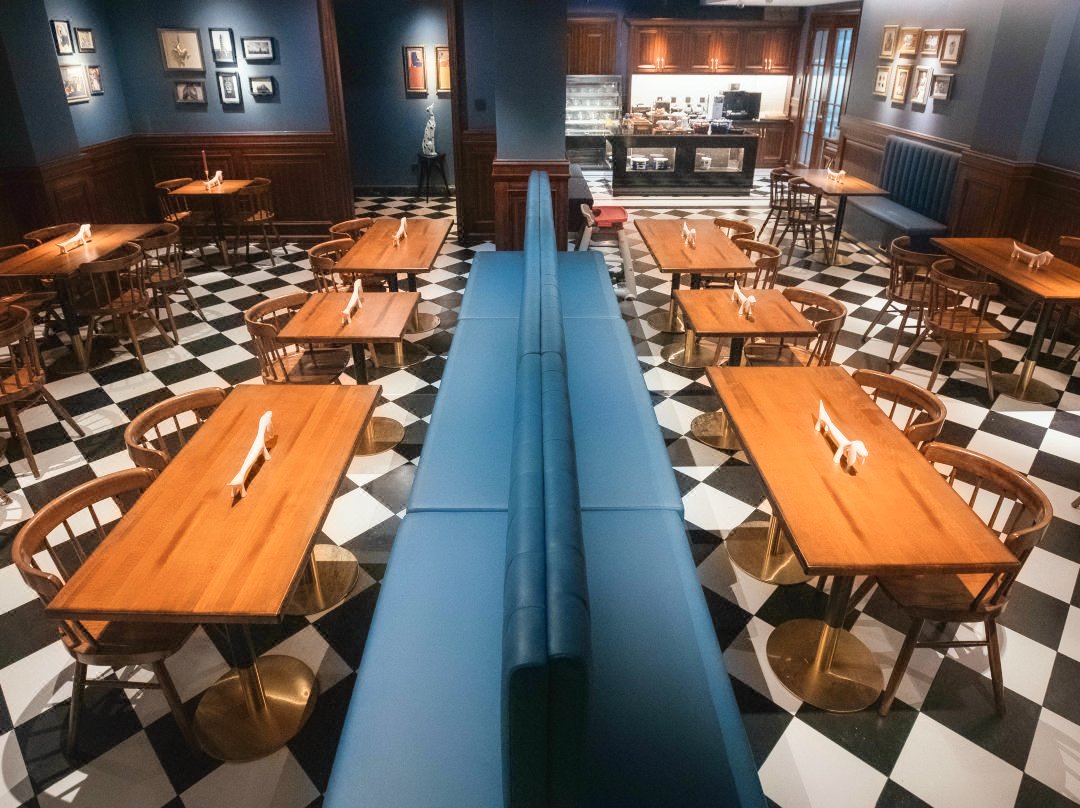
Loose chairs offer flexibility. Booth seating offers stronger space definition.
Neither option is automatically better.
| Seating Type | Main Advantage | Main Limitation |
|---|---|---|
| Loose Dining Chairs | Easy to rearrange | Requires more active layout management |
| Wall Booths | Efficient use of perimeter space | Less flexible after installation |
| Back-to-Back Booths | Creates clear seating zones | Dimensions must be planned carefully |
| Banquette Seating | Can follow architectural layouts | Usually requires more customization |
Hotels often benefit from combining both.
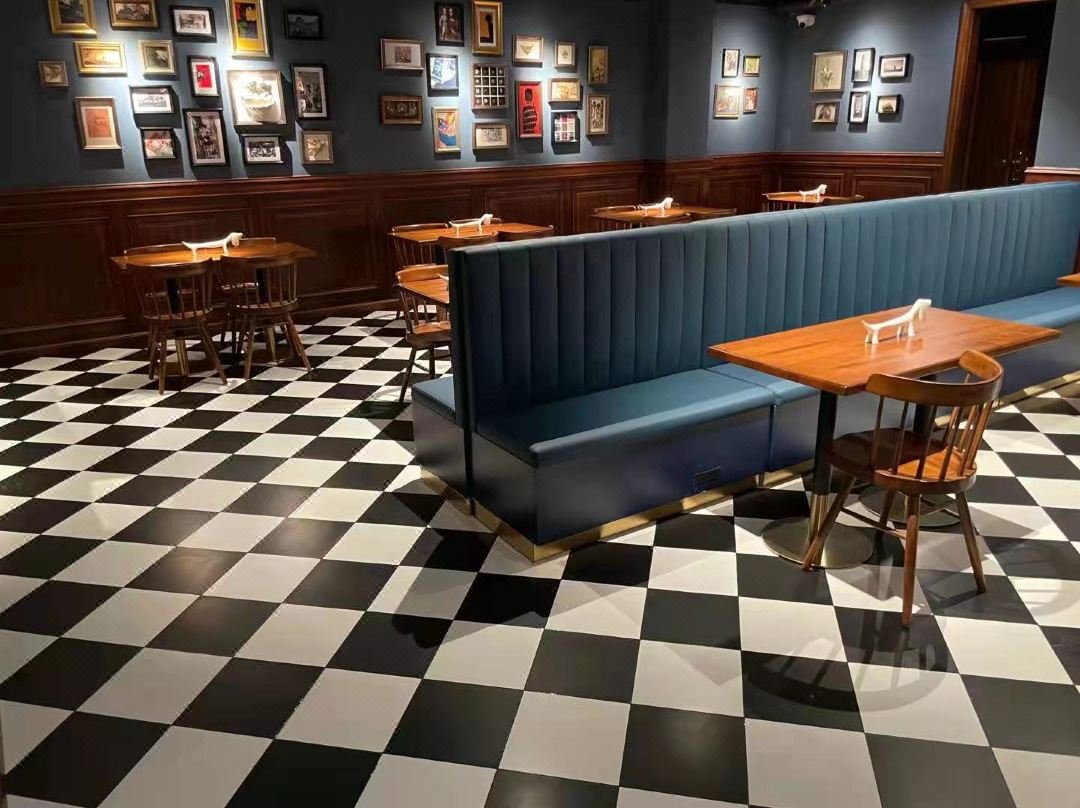
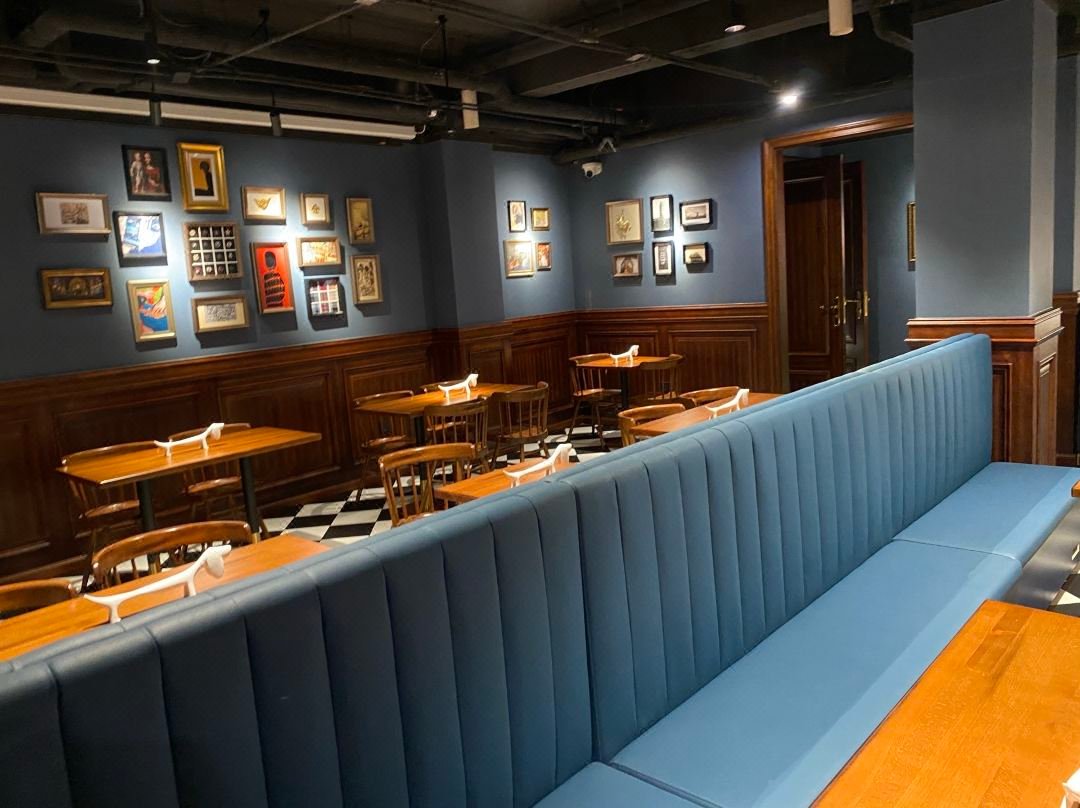
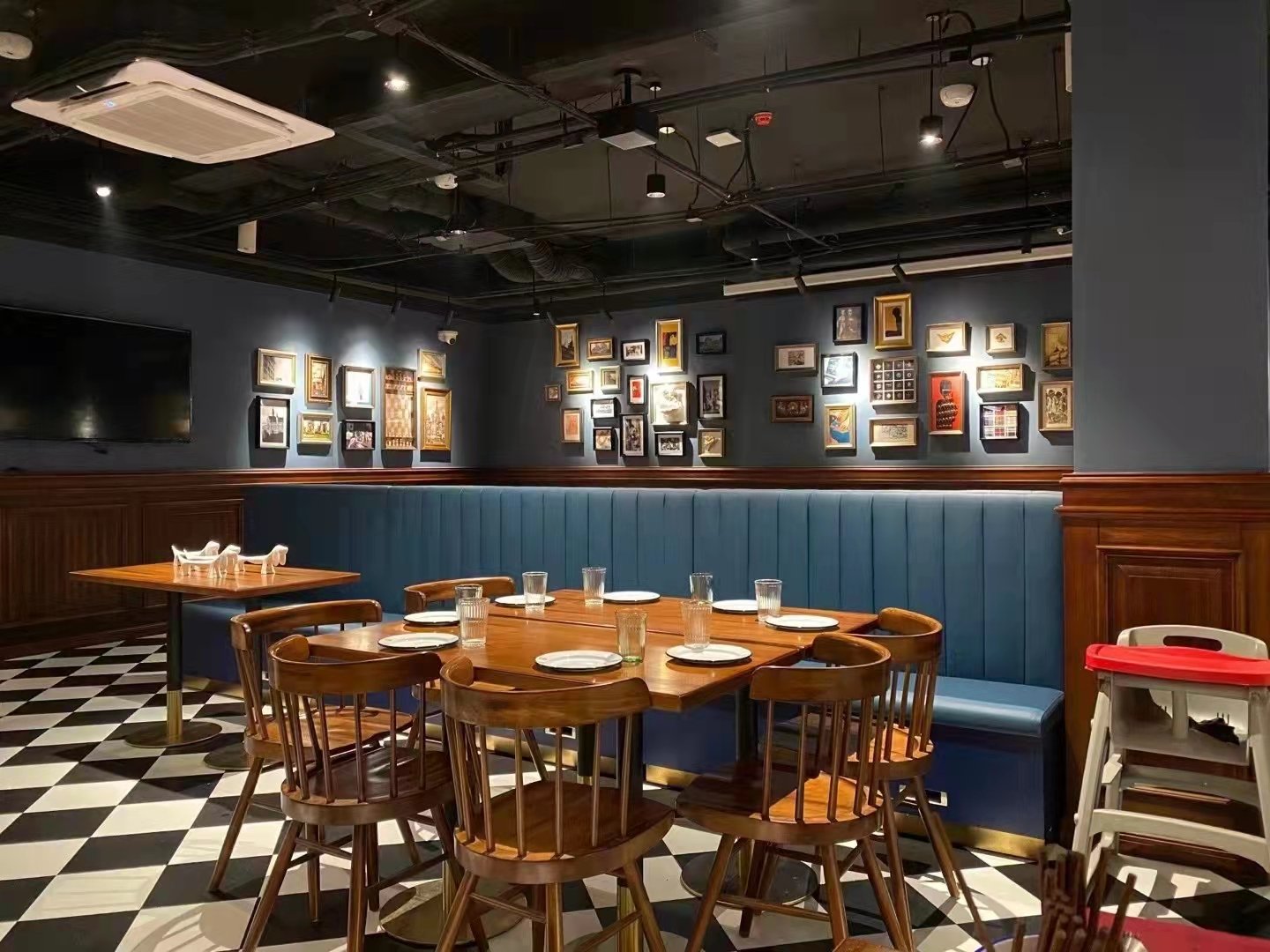
Booths can define walls and corners, while loose tables and chairs allow the restaurant to accommodate couples, families and larger groups.
The decision should be made together with the floor plan rather than after the rest of the furniture has already been selected.
Restaurant Furniture Has to Work with Staff Circulation
A layout can look comfortable for guests while still creating problems for restaurant staff.
Servers need enough room to move between tables while carrying trays. Cleaning teams need access around chair legs and table bases. Guests need clear routes to entrances, buffets, restrooms and exits.
Adding more seats can improve theoretical restaurant capacity, but overcrowding can reduce the actual quality of service.
For U.S. hotel projects, accessible routes and seating arrangements should also be coordinated with applicable requirements. The official ADA Standards for Accessible Design provide an important reference for accessible spaces.
Furniture planning should therefore consider both:
how many guests can be seated and how comfortably the restaurant can operate.
Standard Products and Custom Furniture Can Be Mixed
A hotel restaurant does not need every chair and table to be custom-made.
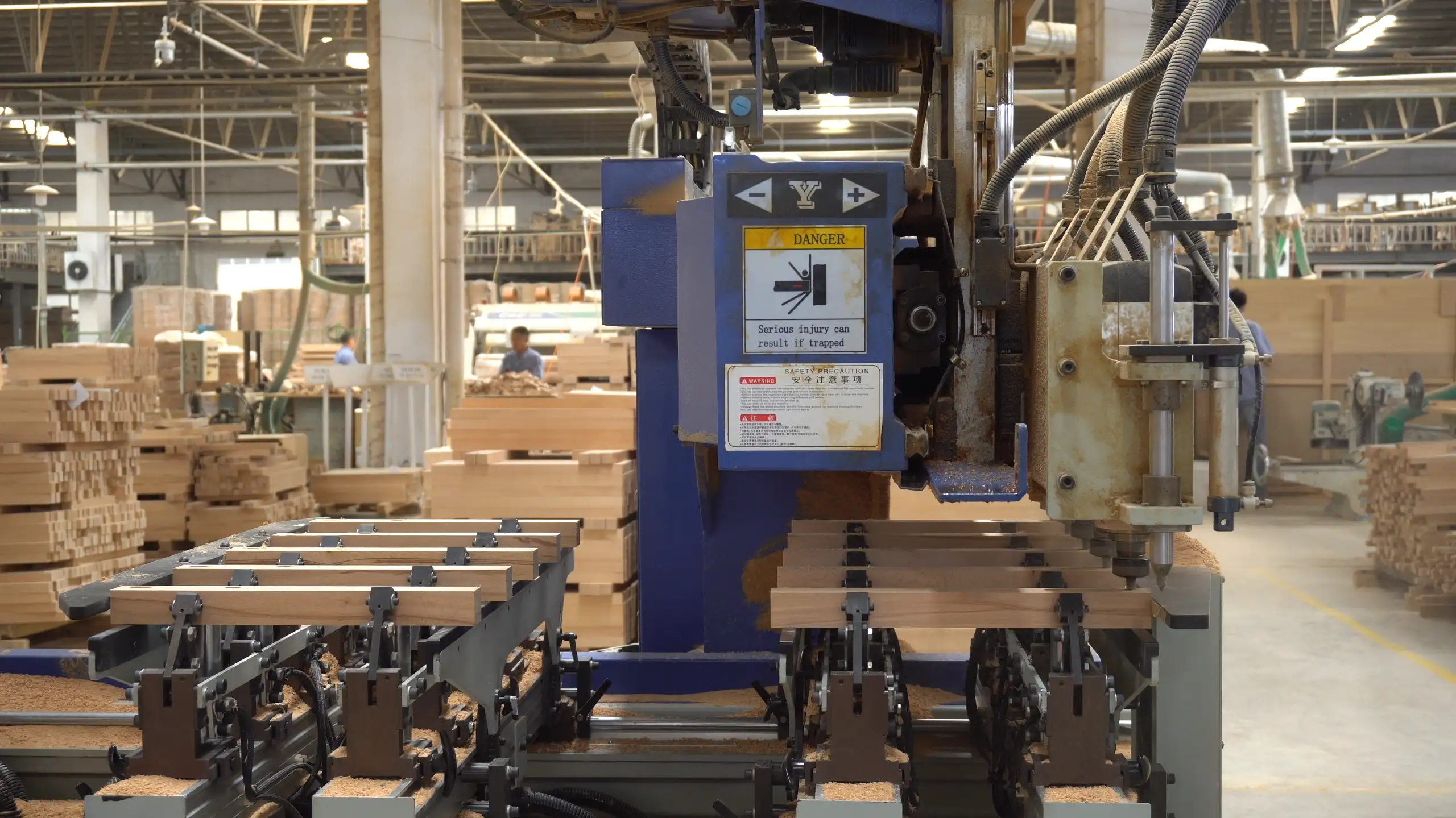
Standard products can often reduce development time and simplify replacement, especially when a suitable design already exists.
Customization becomes more useful when the project needs:
- specific table dimensions
- custom upholstery
- project-specific wood or metal finishes
- booth seating built around walls
- special bar counter heights
- furniture coordinated with other hotel areas
For buyers already sourcing guest room furniture, using related materials and finishes in restaurant areas can also help create visual consistency across the property without making every product identical.
The most efficient approach is often a combination of standard construction and targeted customization.
The Best Choice Depends on How the Restaurant Actually Operates
Good hotel restaurant furniture should support both the guest experience and the way the restaurant works every day.
Breakfast areas need fast turnover and practical cleaning. Fine dining spaces may place more emphasis on comfort and upholstery. Bars need different seat heights and social layouts. Booths help define space, while loose chairs provide flexibility.
That means furniture should not be selected as one generic package.
Buyers should compare each dining area according to:
usage frequency + guest stay time + cleaning + movement + layout + maintenance.
Once these requirements are clear, decisions about chairs, tables, booths, materials and customization become much easier.
TSXY supports custom hotel furniture for hospitality projects, including guest room furniture and furniture solutions for hotel dining and public areas.
For hotel operators, the most successful restaurant furniture is usually not the product that attracts the most attention on its own. It is the furniture that continues to support dining service comfortably and reliably every day.
You May Also Be Interested In
How to Choose Hotel Patio Furniture for Outdoor Guest Areas
How to Choose Hotel Poolside Furniture That Can Handle Daily Use