
Table of contents
- Can One Supplier Handle the Full Guest Room Package?
- Should the Supplier Review the BOQ Before Quoting?
- How Much Customization Should a Hotel Supplier Provide?
- What Should Happen Before Mass Production Begins?
- How Should Materials and Finishes Be Controlled?
- What Does Good Quality Control Look Like?
- How Should Different Room Types Be Managed?
- What Should Buyers Expect After the Order Is Confirmed?
- The Best Supplier Is Usually the One That Reduces Project Uncertainty
Choosing the right hotel room furniture suppliers is not only about comparing prices for beds, nightstands or wardrobes. A hotel guest room normally includes several furniture types that need to work together in size, finish, materials and delivery schedule.
For project buyers, the supplier should be able to manage more than individual products. The real value often comes from coordinating the complete room package from drawings and BOQ through samples, production and final inspection.
The questions below cover what buyers should realistically expect before placing a larger hotel furniture order.
Can One Supplier Handle the Full Guest Room Package?
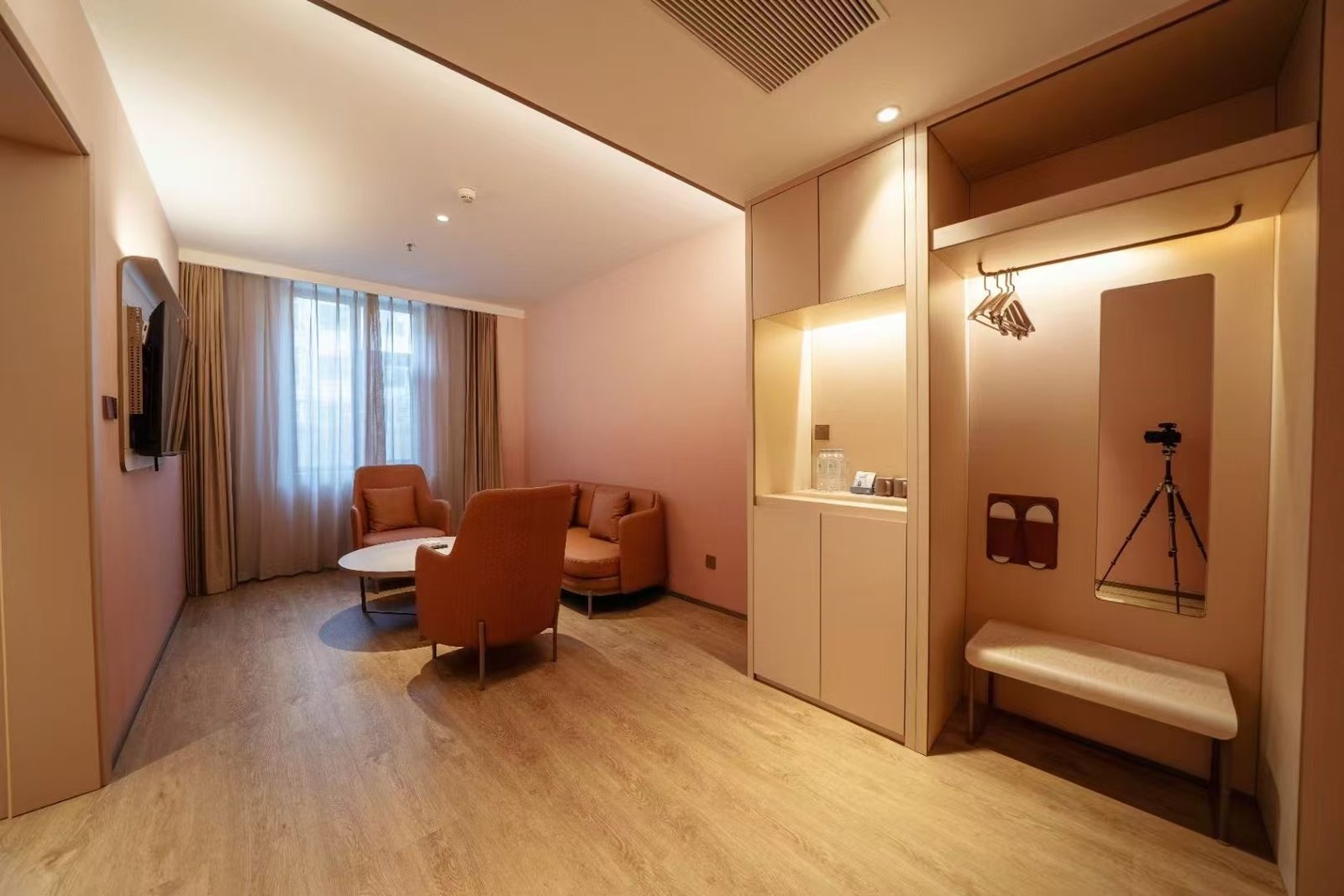
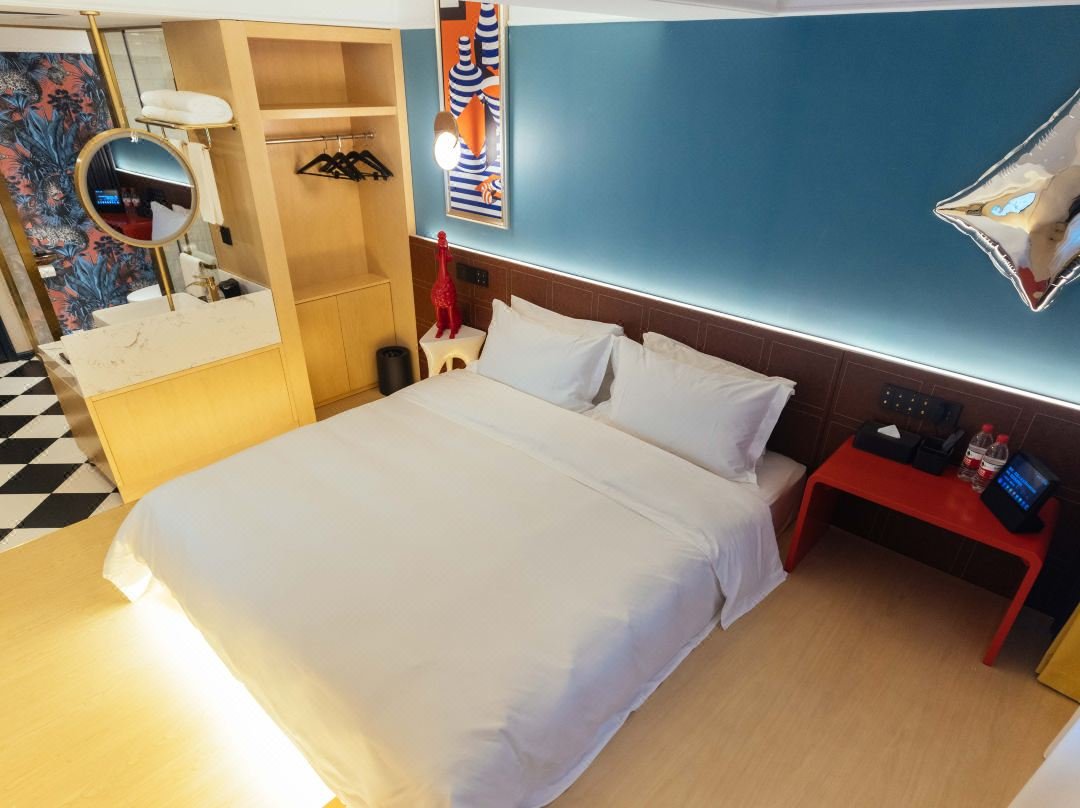
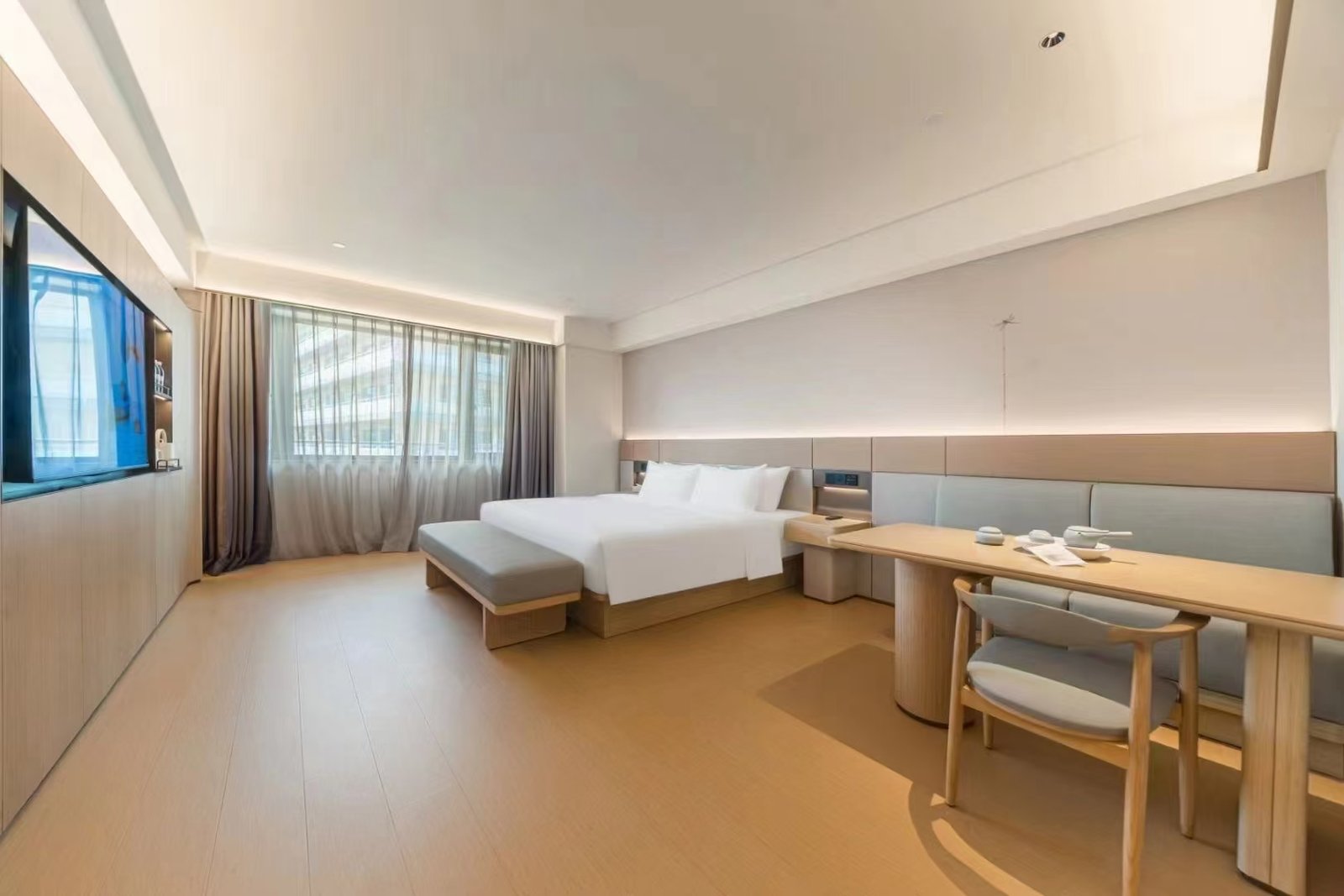
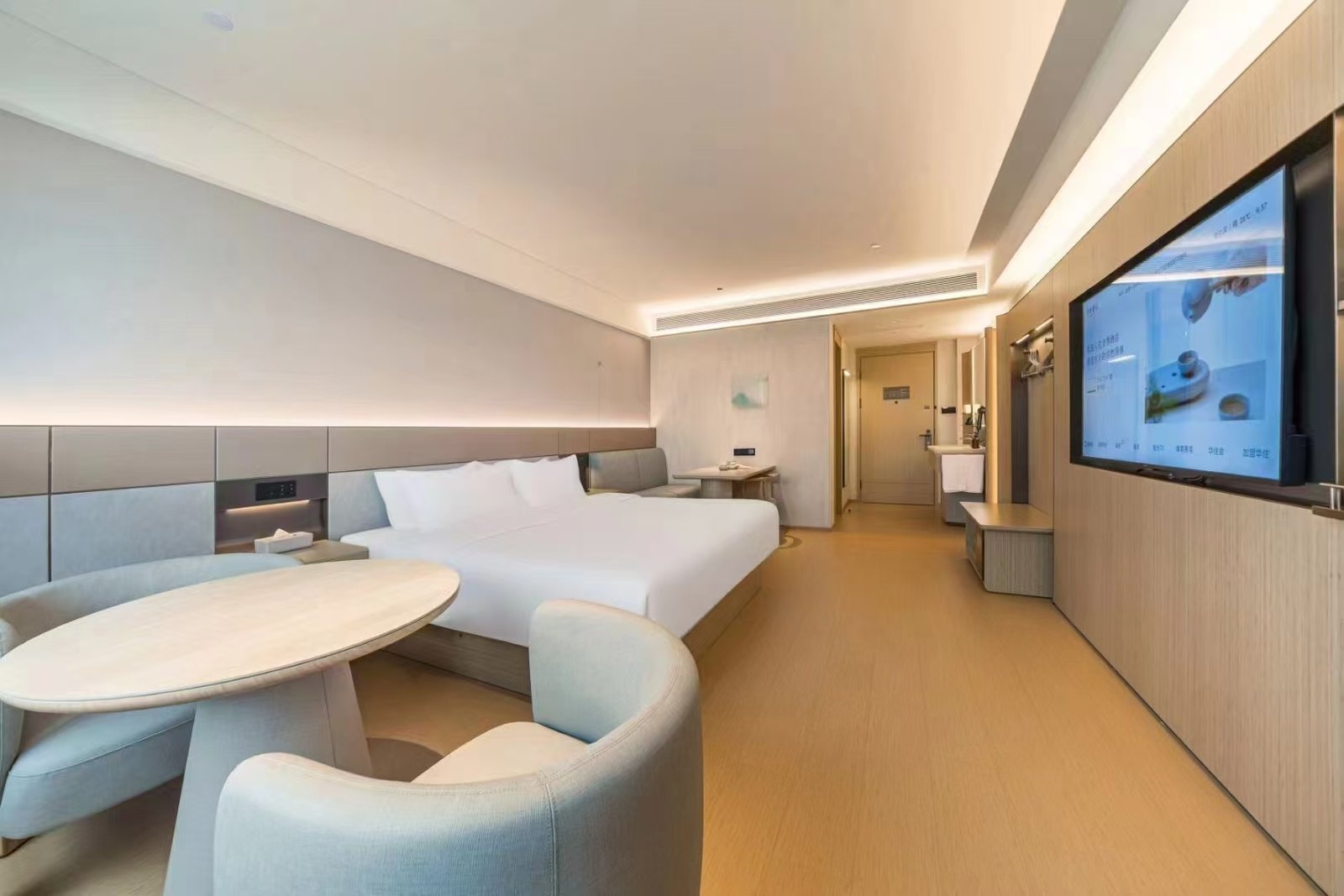
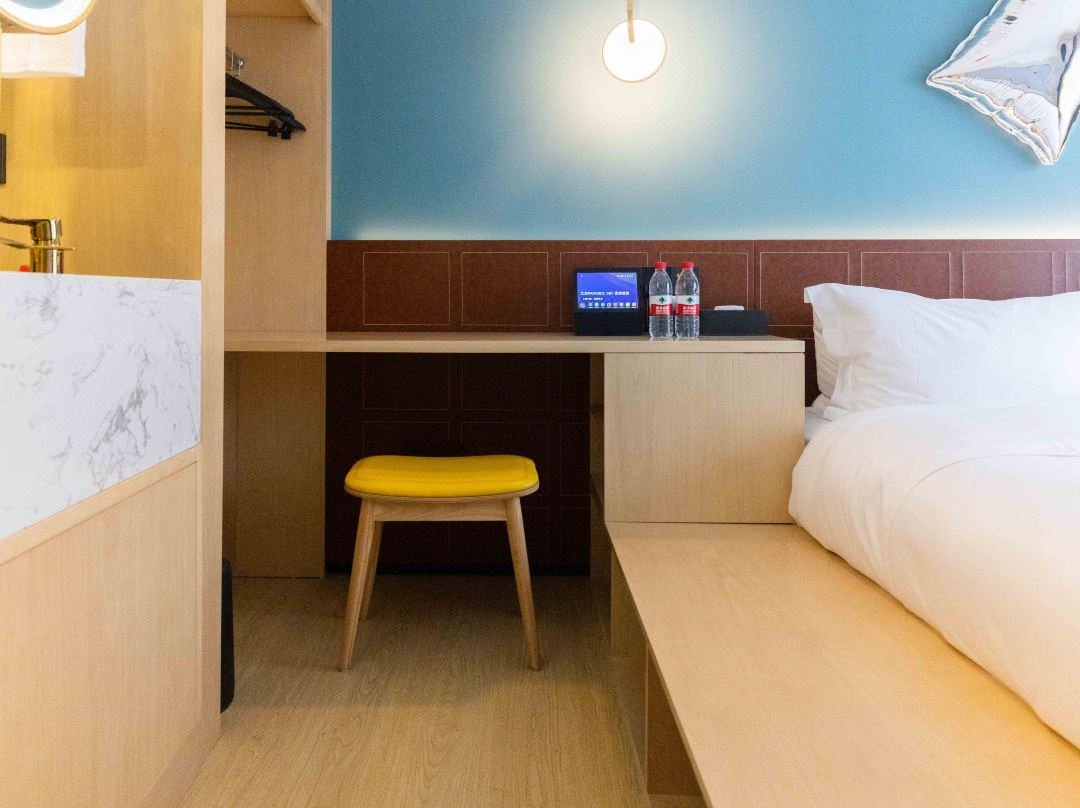
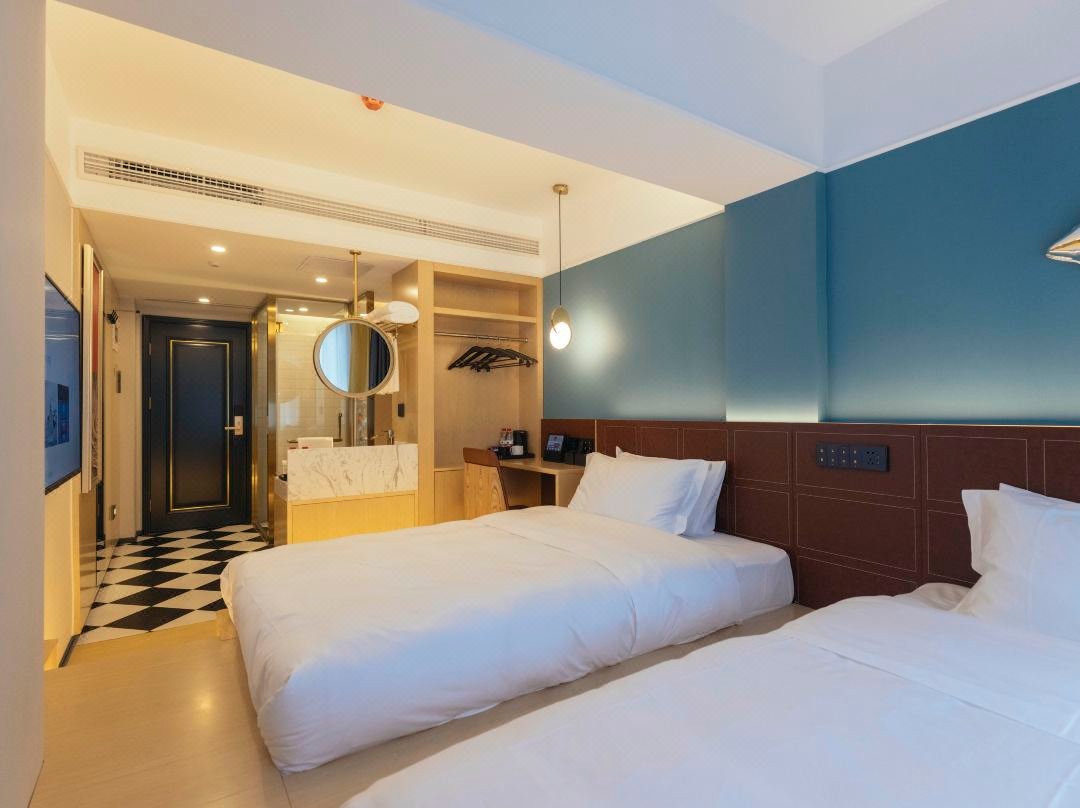
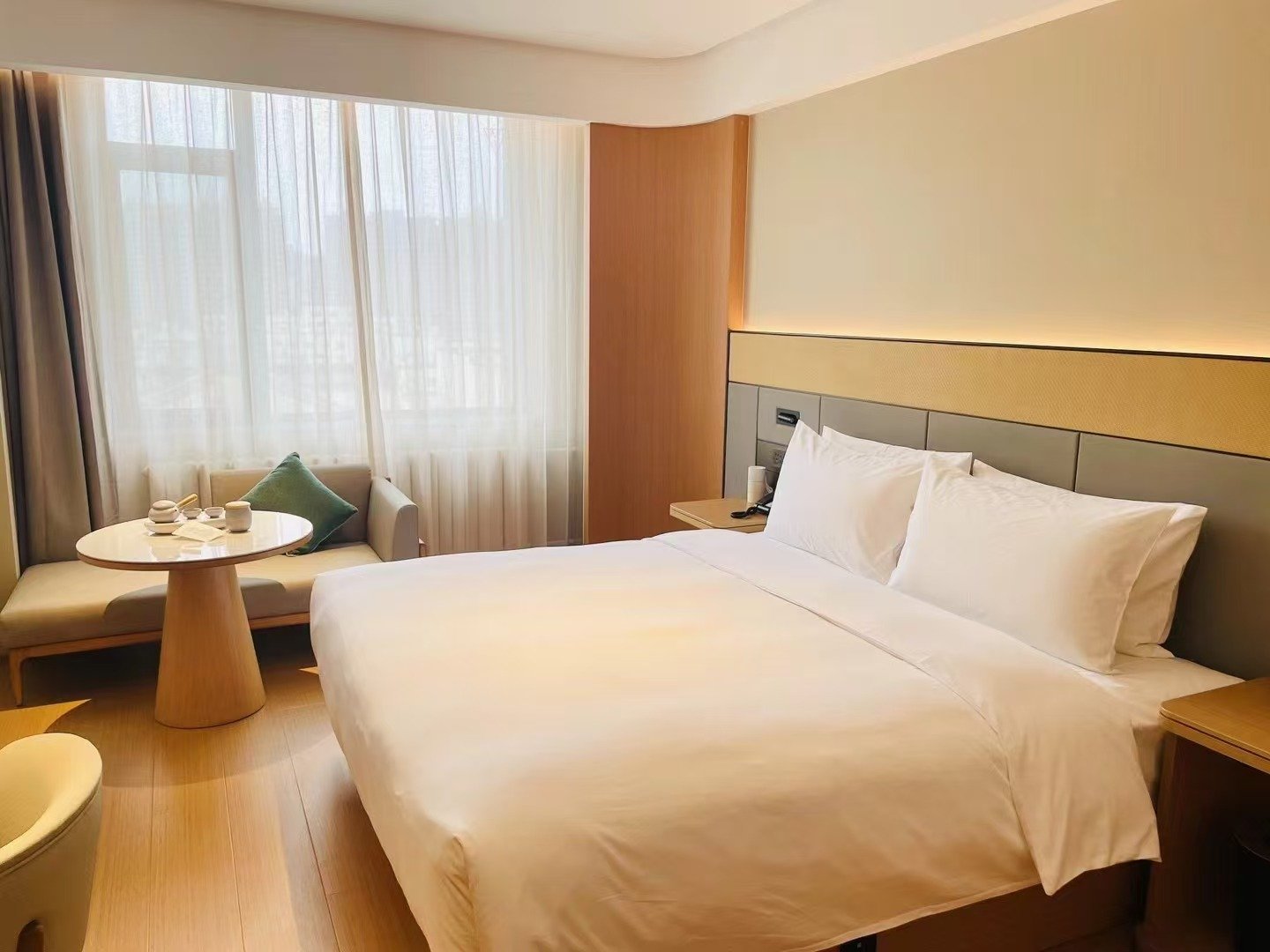
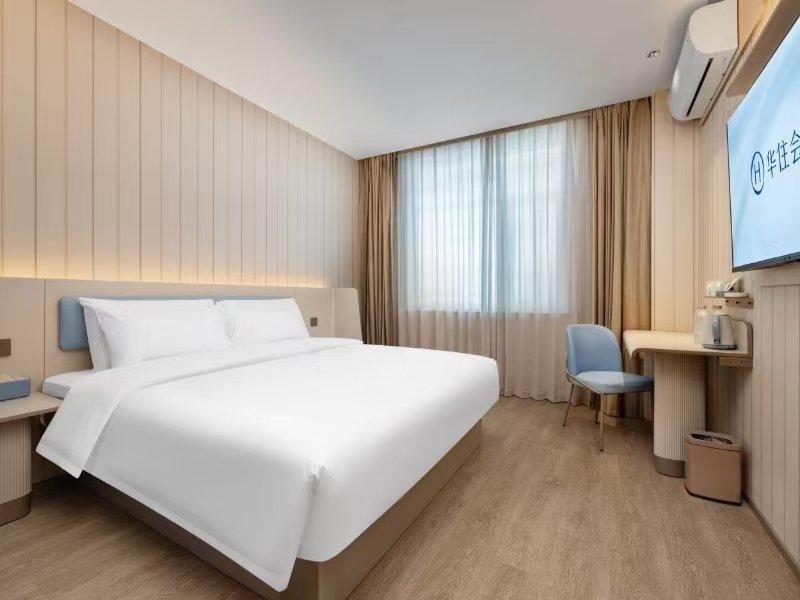
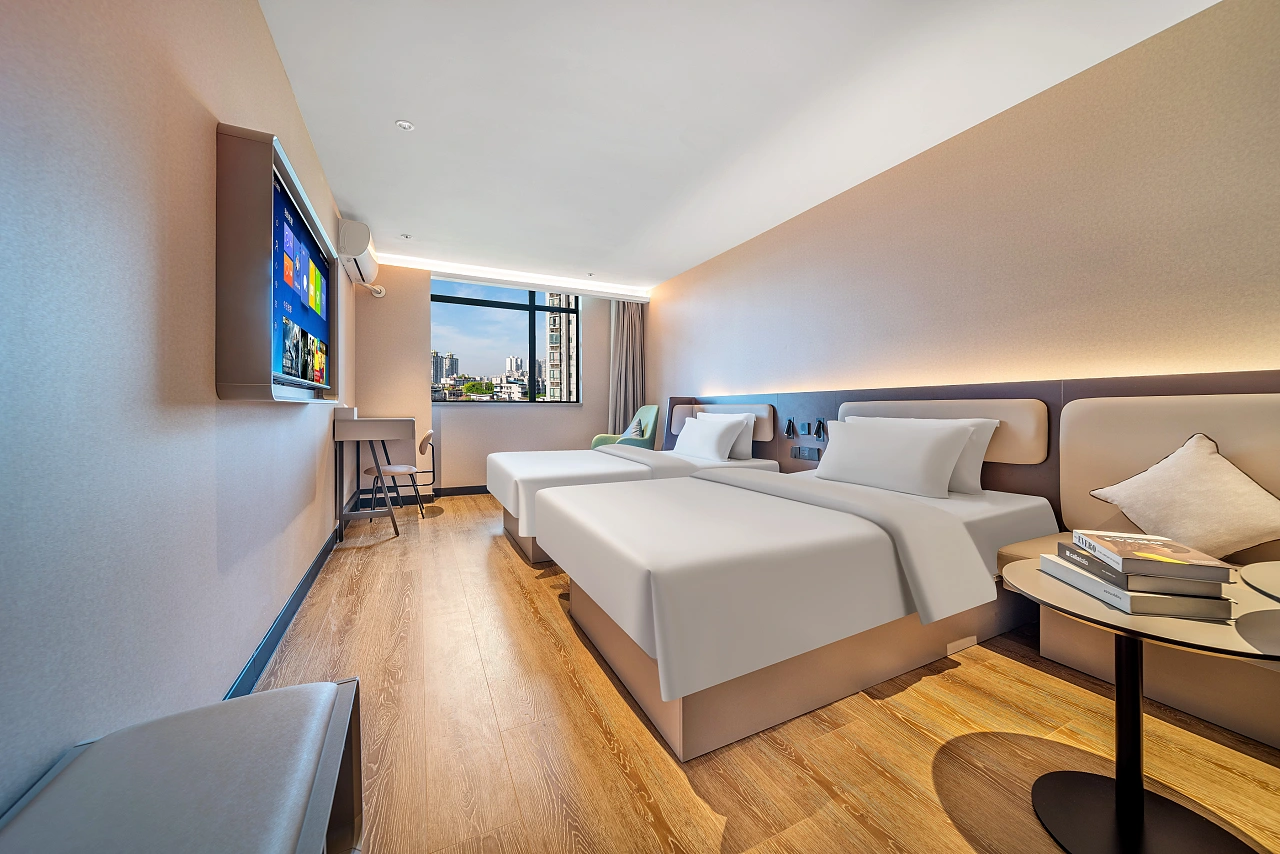
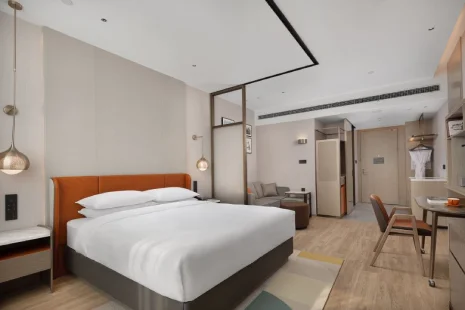
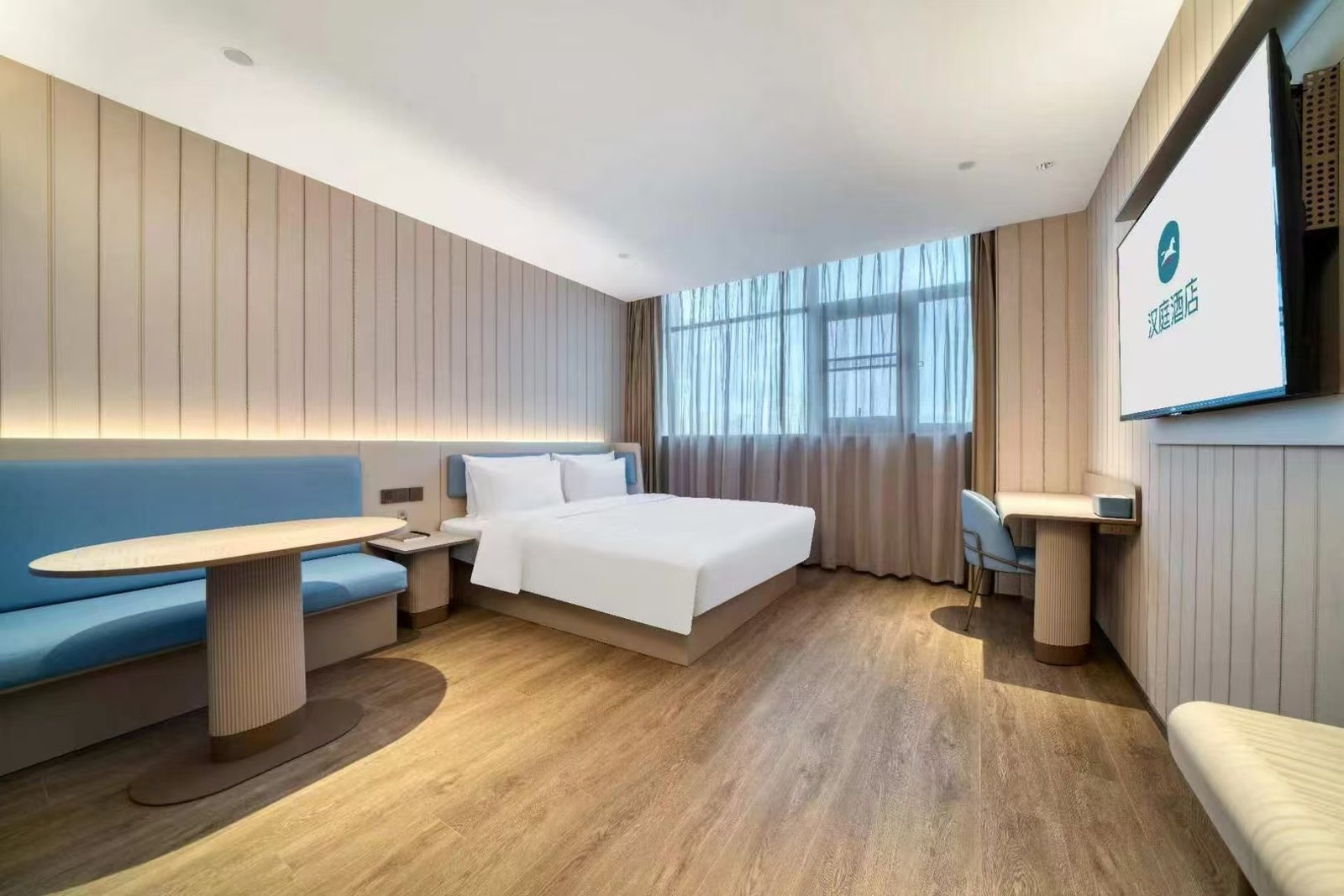
In many hotel projects, a typical guest room may include a headboard, bed frame, two nightstands, desk, wardrobe, luggage bench, minibar cabinet and lounge seating.
Sourcing every item separately can create extra work because different suppliers may use different finishes, materials and production schedules.
A capable supplier should be able to review the room as a coordinated package rather than as a group of unrelated products.
That may include:
- bed frames and headboards
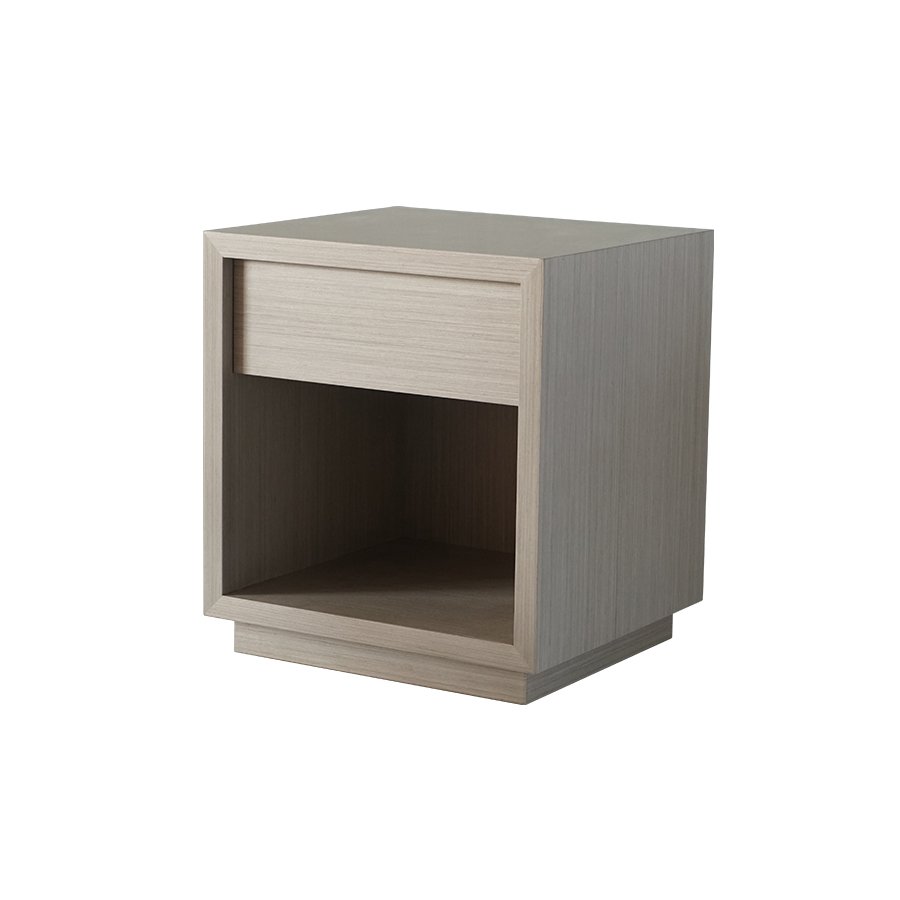
- nightstands
- desks and work tables
- wardrobes and minibar cabinets
- luggage benches
- lounge chairs
- side tables
- other guest room casegoods
For items such as hotel cabinets and casegoods, coordination becomes especially important because dimensions often need to match walls, sockets, minibars and other room elements.
Should the Supplier Review the BOQ Before Quoting?
Yes. A useful quotation should start with more than a product photo.
The supplier should review the BOQ, room schedule, drawings and quantities before confirming the final specification.
For example, two wardrobes may look nearly identical in a rendering but have very different costs depending on:
- panel construction
- veneer or laminate
- hardware
- internal layout
- finish system
- dimensions
If some information is missing, the supplier should identify the missing points rather than silently making assumptions.
This reduces the risk of receiving several quotations that appear comparable but are actually based on different specifications.

How Much Customization Should a Hotel Supplier Provide?
Hotel furniture rarely needs unlimited customization, but the supplier should be able to adjust products where the project requires it.
Common changes include dimensions, finishes, upholstery, hardware and structural details.
Dimensions
Nightstands, desks and wardrobes may need to fit specific room layouts rather than standard catalog sizes.
Materials
The project may specify plywood, MDF, veneer, laminate, solid wood, metal or upholstered components.
Finishes
Wood stain, paint, powder coating, plating and upholstery should follow approved project references.
Construction
Some products may need reinforced joints, wall fixing, knock-down structures or other changes for installation and commercial use.
Customization should solve a real project requirement instead of making the furniture unnecessarily complicated.
What Should Happen Before Mass Production Begins?
For custom hotel projects, buyers should normally expect a clear approval stage before bulk production.
Depending on the order, that may involve:
drawings → material samples → finish samples → furniture sample → approval → production.
A physical sample is especially useful for products where comfort, finish, proportions or construction are difficult to judge from drawings alone.
For example, a hotel lounge chair sample can be used to confirm seat comfort, upholstery, frame finish and overall proportions before producing a larger quantity.
The approved sample should then become a reference for bulk production rather than simply a one-time presentation piece.
How Should Materials and Finishes Be Controlled?
One of the biggest challenges in a guest room package is keeping different furniture pieces visually coordinated.
A headboard, nightstand, desk and wardrobe may use related wood tones but different substrates or construction methods. If the supplier controls each item separately, visible variation can become noticeable after installation.
Buyers should expect the supplier to work from clear finish references such as:
- approved veneer samples
- wood stain boards
- paint references
- metal finish samples
- fabric swatches
- hardware samples
Production pieces should then be compared against those approved references.
This is especially important for multi-room projects where the same furniture package is repeated across dozens or hundreds of rooms.
What Does Good Quality Control Look Like?
Quality control should not begin only when the furniture is ready to ship.
A better process checks quality at several points during production.
Material stage
Confirm that the materials match the approved specification before large quantities are used.
Early production
Check the first production pieces against approved drawings and samples.
During production
Monitor dimensions, structure, finishes and assembly consistency while the order is still in progress.
Before shipment
Inspect representative finished pieces, packing and labeling before loading.
Where commercial furniture performance standards are relevant, buyers can also refer to resources from BIFMA when discussing testing or performance requirements.
How Should Different Room Types Be Managed?
A hotel may have several room types even when the furniture looks similar.
A standard king room may use one desk size, while a suite needs a larger version. Accessible rooms may require different clearances. Corner rooms may use narrower casegoods because of the layout.
The supplier should therefore manage variations through clear item codes and drawings rather than informal descriptions.
For example:
NS-01 Standard Nightstand
NS-02 Narrow Nightstand
DS-01 Standard Desk
DS-02 Suite Desk
This makes production, packing and installation easier to control and reduces the chance of similar-looking items being mixed.
What Should Buyers Expect After the Order Is Confirmed?
A reliable supplier should continue communicating after the deposit is paid.
Buyers should expect reasonable visibility into the project status, including:
- drawing confirmation
- sample approval
- material preparation
- production progress
- inspection timing
- packing
- shipment planning
The supplier does not need to send updates every day, but major milestones and changes should be communicated clearly.
This becomes particularly important when a hotel opening date, renovation schedule or installation team depends on the furniture arriving within a specific period.
The Best Supplier Is Usually the One That Reduces Project Uncertainty
For hotel buyers, choosing among hotel room furniture suppliers is ultimately about more than factory size or unit price.
A strong supplier should help make the project easier to control.
That means understanding drawings, identifying missing specifications, coordinating materials, developing samples, managing room variations and maintaining consistency during bulk production.
TSXY supplies custom hotel furniture for guest rooms and hospitality projects, including casegoods, seating, bed frames and coordinated room packages developed around project drawings and BOQ requirements.
The more clearly a supplier can turn project information into repeatable production, the lower the chance that small misunderstandings become large problems across many hotel rooms.
You May Also Be Interested In
How to Choose Hotel Poolside Furniture That Can Handle Daily Use
What Should Luxury Hotel Furniture Get Right Beyond Appearance?