
Table of contents
- When Luxury Hotel Furniture Looks Right but Still Feels Wrong
- Problem: Premium Materials Are Used in the Wrong Places
- Problem: Beautiful Details Make Maintenance Difficult
- Problem: Furniture Pieces Are Approved One by One
- Problem: Customization Adds Cost but Not Real Value
- Problem: Public-Area Furniture Is Treated Like Residential Furniture
- Problem: The Sample Looks Excellent but Bulk Production Changes
- Problem: “Luxury” Is Never Clearly Defined Before Quotation
- Luxury Should Still Be Practical After the Hotel Opens
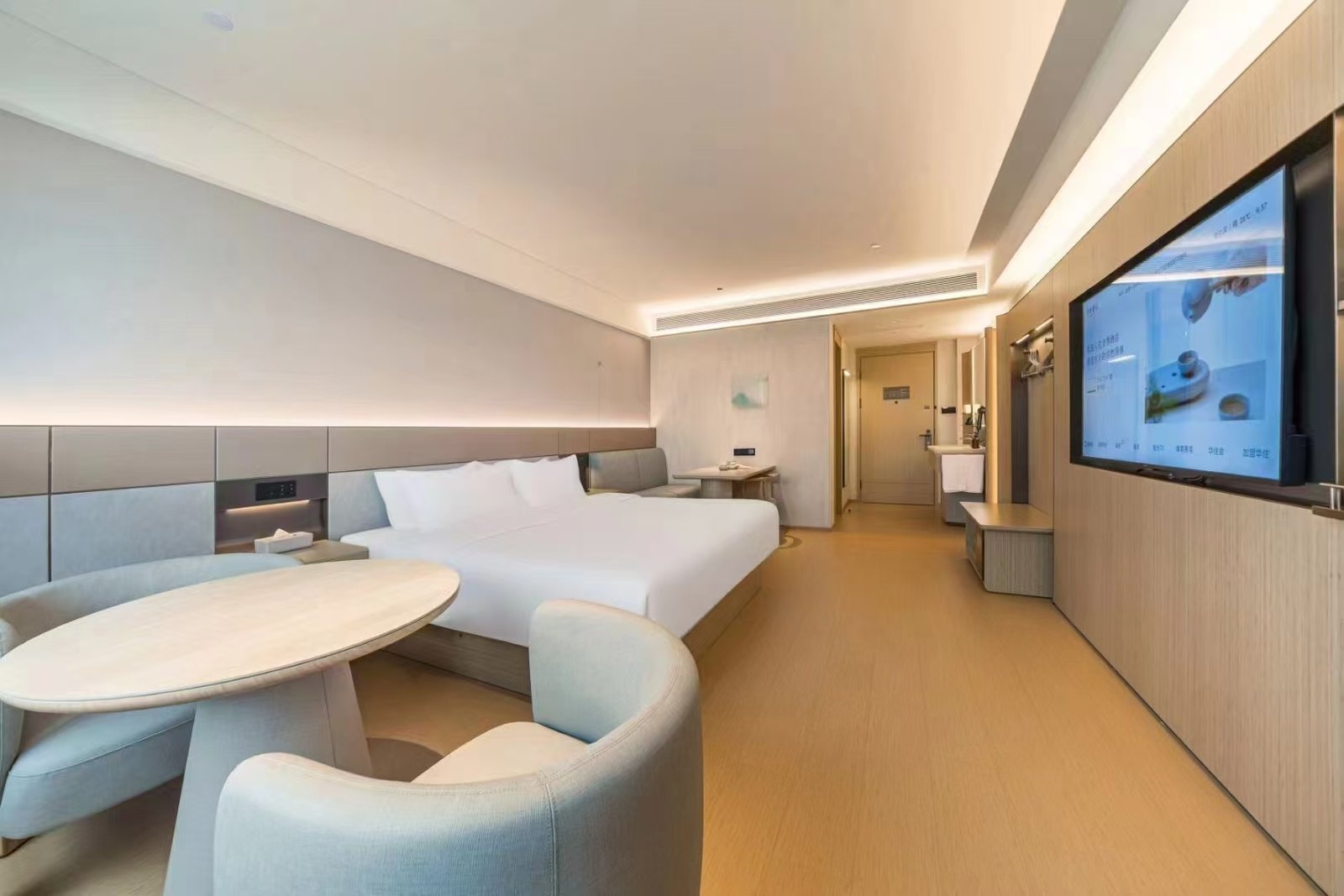
luxury hotel furniture is often judged first by appearance, but an expensive-looking room does not automatically mean the furniture is suitable for a high-end hotel project.
Premium finishes, decorative metal, natural veneer and custom upholstery can all improve the visual result. But if drawers fail early, fabrics are difficult to maintain, finishes vary between rooms or furniture dimensions do not work with the actual space, the project can still create problems after opening.
For buyers, the more useful question is not simply “Does this furniture look luxurious?” It is “What makes the furniture continue to feel premium after hundreds of guests have used it?”
When Luxury Hotel Furniture Looks Right but Still Feels Wrong
Some furniture problems are obvious during inspection. Others only become clear after installation.
A room may look impressive in photographs but still have several warning signs:
The furniture feels visually heavy
Oversized nightstands, deep wardrobes or bulky lounge chairs can make even a large room feel smaller than expected.
The materials look premium but feel fragile
Decorative surfaces may look excellent during sample approval but perform poorly under repeated cleaning, luggage contact or daily guest use.
Individual pieces look good but the room feels inconsistent
Wood tones, metal finishes, fabrics and hardware may all be acceptable separately while still looking mismatched when installed together.
These are not simply styling issues. They usually point to problems in specification, sample approval or production control.
Problem: Premium Materials Are Used in the Wrong Places
Luxury projects often use higher-value materials, but using a more expensive material does not automatically make the furniture better.
For example, natural veneer may be an excellent choice for visible casegoods, but areas exposed to repeated moisture, luggage impact or heavy cleaning may need a different surface treatment.
The same applies to upholstery. A visually attractive fabric may not be suitable for a heavily used lobby chair if its wear resistance or cleaning requirements do not match hotel operation.
What usually causes the problem?
Materials are sometimes selected mainly from an interior design perspective without enough consideration for how the furniture will actually be used.
What should buyers check?
The material specification should match the location of the furniture, expected use, cleaning method and replacement difficulty.
For hotel cabinets and casegoods, buyers should pay particular attention to visible surfaces, edges, hardware areas and other points that receive frequent contact.
Problem: Beautiful Details Make Maintenance Difficult
Luxury furniture often includes additional details such as recessed metal trims, deep upholstery channels, special handles, floating structures or unusual joints.
These features can add character, but they can also create maintenance problems if they are designed without hotel operation in mind.
A decorative groove may collect dust. A special plated handle may be difficult to replace. A deeply upholstered headboard may require more cleaning. A floating cabinet may look elegant but need a reliable concealed fixing system.
The practical test
Before approving a decorative detail, ask three questions:
- Can housekeeping clean it easily?
- Can maintenance staff access or replace the component?
- Can the factory reproduce the same detail consistently in bulk?
If the answer to all three is difficult, the detail may need to be simplified even if it looks attractive on the rendering.
Problem: Furniture Pieces Are Approved One by One
A common mistake in high-end projects is approving each product separately.
The headboard is approved first. Then the nightstand. Then the desk. Later the wardrobe and lounge chair are reviewed.
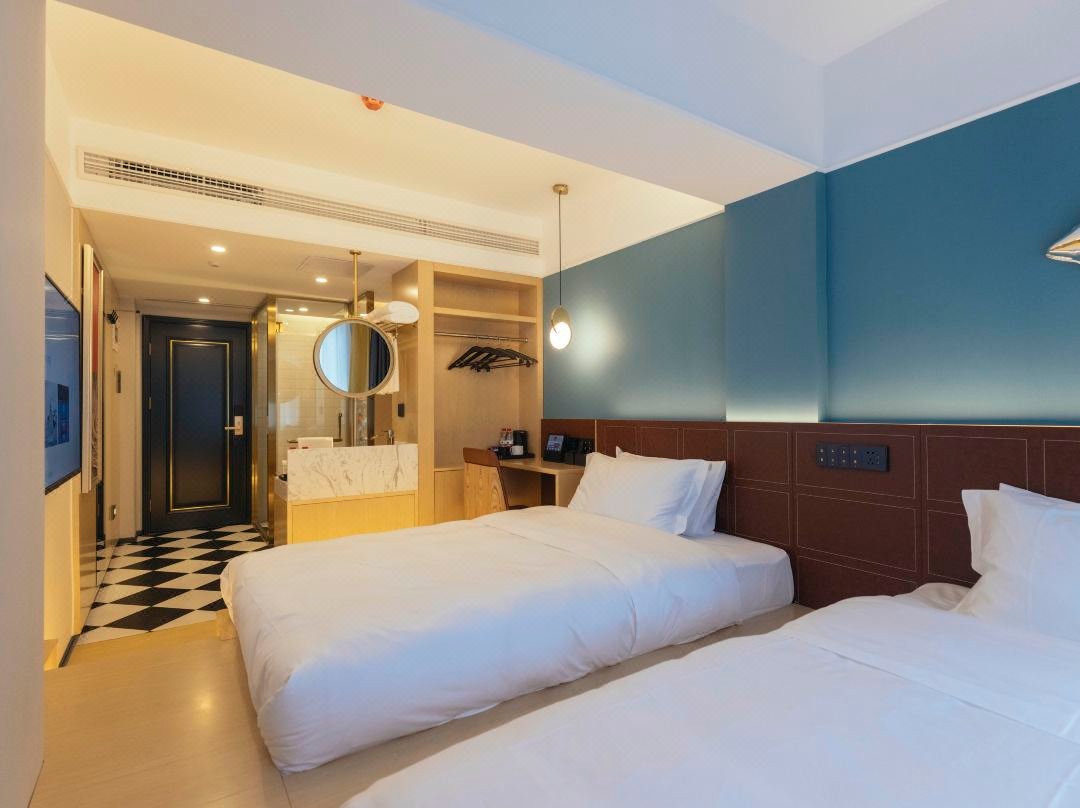
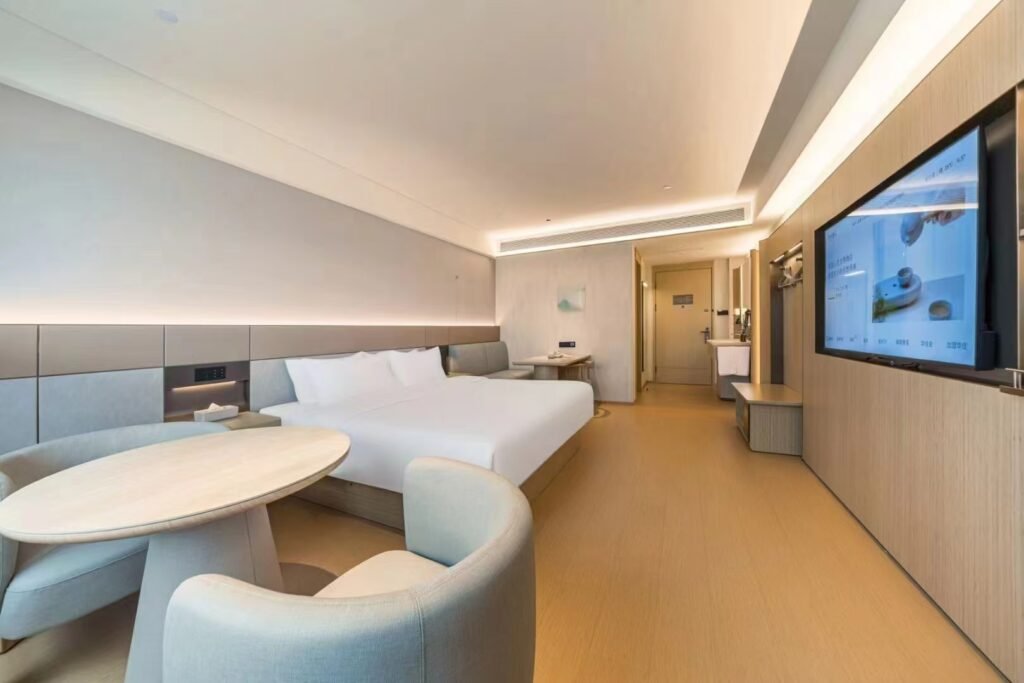
Each piece may look correct by itself, but the completed guest room can still feel inconsistent.
The reason is simple: guests do not experience furniture one item at a time. They see the complete room.
Look at furniture as a package
Wood tone, grain direction, metal finish, upholstery, hardware and proportions should be checked across related pieces whenever possible.
This becomes especially important in luxury projects where small visual differences are easier to notice.
Our guide to hotel furniture finish matching explains how approved samples can be used to control these differences before mass production.
Problem: Customization Adds Cost but Not Real Value
Luxury projects often involve customization, but not every custom detail improves the guest experience.
A complicated metal structure, unusual cabinet mechanism or heavily machined decorative component may increase production cost without creating a meaningful visual or functional difference after installation.
This is where buyers should separate three types of customization.
Customization that solves a space problem
Adjusting a wardrobe depth, desk width or nightstand size so the furniture works with the actual room.
Customization that creates visible design value
Developing a project-specific finish, headboard detail, upholstery treatment or metal feature that helps define the interior.
Customization that adds complexity without a clear benefit
Hidden details or complicated construction that increase cost but are unlikely to improve appearance, durability or guest use.
The third category is usually the first place to look when the project needs value engineering.
Problem: Public-Area Furniture Is Treated Like Residential Furniture
Lobby and lounge furniture often carries more visual weight in a luxury hotel because these are the areas guests see first.
That can lead project teams to focus heavily on shape and upholstery while overlooking the amount of use the furniture will receive.
A lounge chair in a private residence may be used several times a day. The same chair in a busy hotel lobby can be used continuously by different guests.
For hotel lounge furniture, appearance therefore needs to be balanced with frame strength, foam performance, upholstery durability and maintenance.
A luxury appearance should hide commercial strength
The furniture does not need to look heavy or industrial. Reinforcement can be built into joints, internal frames and concealed fixing points while the visible design remains refined.
That is usually a better approach than choosing residential-style furniture and hoping it can survive commercial use.
Problem: The Sample Looks Excellent but Bulk Production Changes
A good sample proves that the factory can make one acceptable piece. It does not automatically prove that hundreds of pieces will remain consistent.
Bulk production introduces new variables:
- different material batches
- different workers or production lines
- finish variation
- hardware substitutions
- packaging changes
- production schedule pressure
This is one of the most important differences between sample approval and real project control.
What should happen after the sample is approved?
The approved sample, drawings, material specifications and finish references should become production standards rather than disappearing after sign-off.
Early production pieces should be checked against those references before the full order continues.
For projects with multiple room types or furniture variations, item codes and revision records also become important so that older specifications do not return during bulk production.
Problem: “Luxury” Is Never Clearly Defined Before Quotation
One supplier may understand luxury as natural veneer and solid wood details. Another may focus on decorative metal and upholstery. A third may simply quote a more expensive version of a standard product.
If the buyer sends only a rendering and asks for a “luxury specification,” quotations can become difficult to compare.
Before requesting final pricing, it helps to define what premium quality actually means for the project.
That may include:
- required visible materials
- approved veneer or finish
- hardware expectations
- upholstery requirements
- construction standards
- sample approval requirements
- acceptable finish variation
- inspection expectations
This also makes it easier to compare luxury hotel furniture suppliers on the same basis instead of comparing quotations built around different assumptions.
Luxury Should Still Be Practical After the Hotel Opens
The strongest luxury furniture packages do not rely only on expensive materials or decorative complexity.
They combine visual quality with proportion, durability, maintenance, finish consistency and repeatable production.
For buyers, this means reviewing custom hotel furniture for luxury hospitality projects from two perspectives at the same time:
How will it look on opening day, and how will it perform after the hotel has been operating for several years?
A premium guest experience depends on both. Furniture that looks impressive but becomes difficult to maintain, repair or reproduce can quickly lose the value that made it feel luxurious in the first place.
The better approach is to define the important visible details early, use appropriate commercial construction behind them, approve clear samples and keep those standards consistent through bulk production.