
Table of contents
- What Does FF&E Mean in a Hotel Project?
- What Does OS&E Mean?
- So What Is the Main Difference Between FF&E and OS&E?
- Does All Hotel Furniture Belong to FF&E?
- Are Built-In Cabinets FF&E or Part of the Construction Package?
- Why Is FF&E Usually More Complicated to Procure?
- When Should Hotel FF&E Procurement Start?
- Who Usually Controls the FF&E Specification?
- What Should a Buyer Send to an FF&E Furniture Manufacturer?
- Can One Supplier Handle the Entire Hotel FF&E Package?
- Should FF&E Be Quoted Per Room?
- Where Do Buyers Most Often Lose Control of the FF&E Package?
- What Is the Most Important FF&E Document?
- Does FF&E Procurement End When the Purchase Order Is Issued?
During a hotel project, buyers may receive a BOQ, room schedule or procurement package divided into two familiar groups: FF&E and OS&E.
The difference looks simple on paper, but it matters when suppliers are being selected, quotations are compared and responsibilities are divided between the owner, designer, contractor and procurement team.
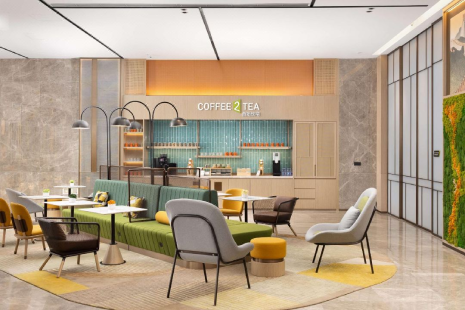
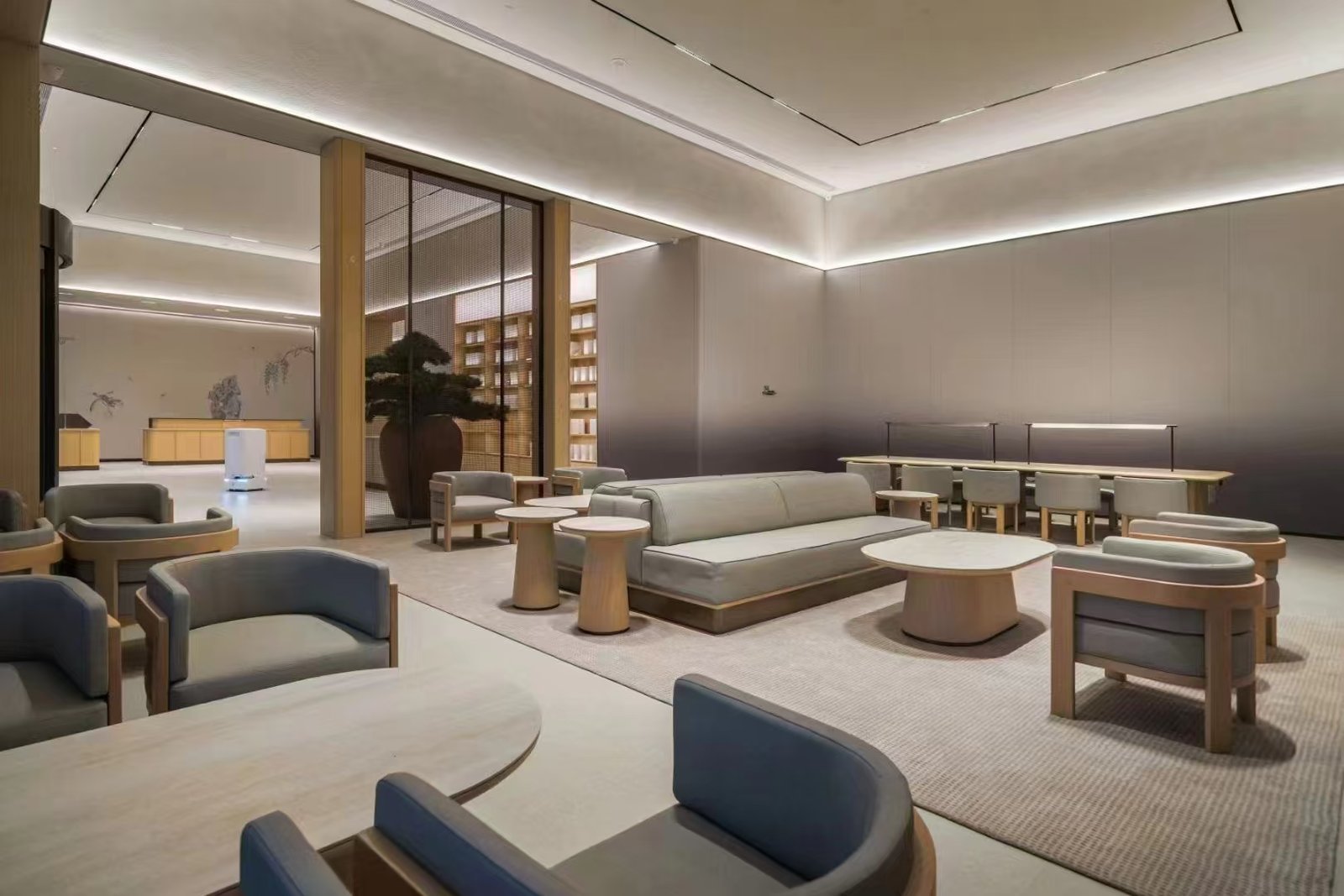
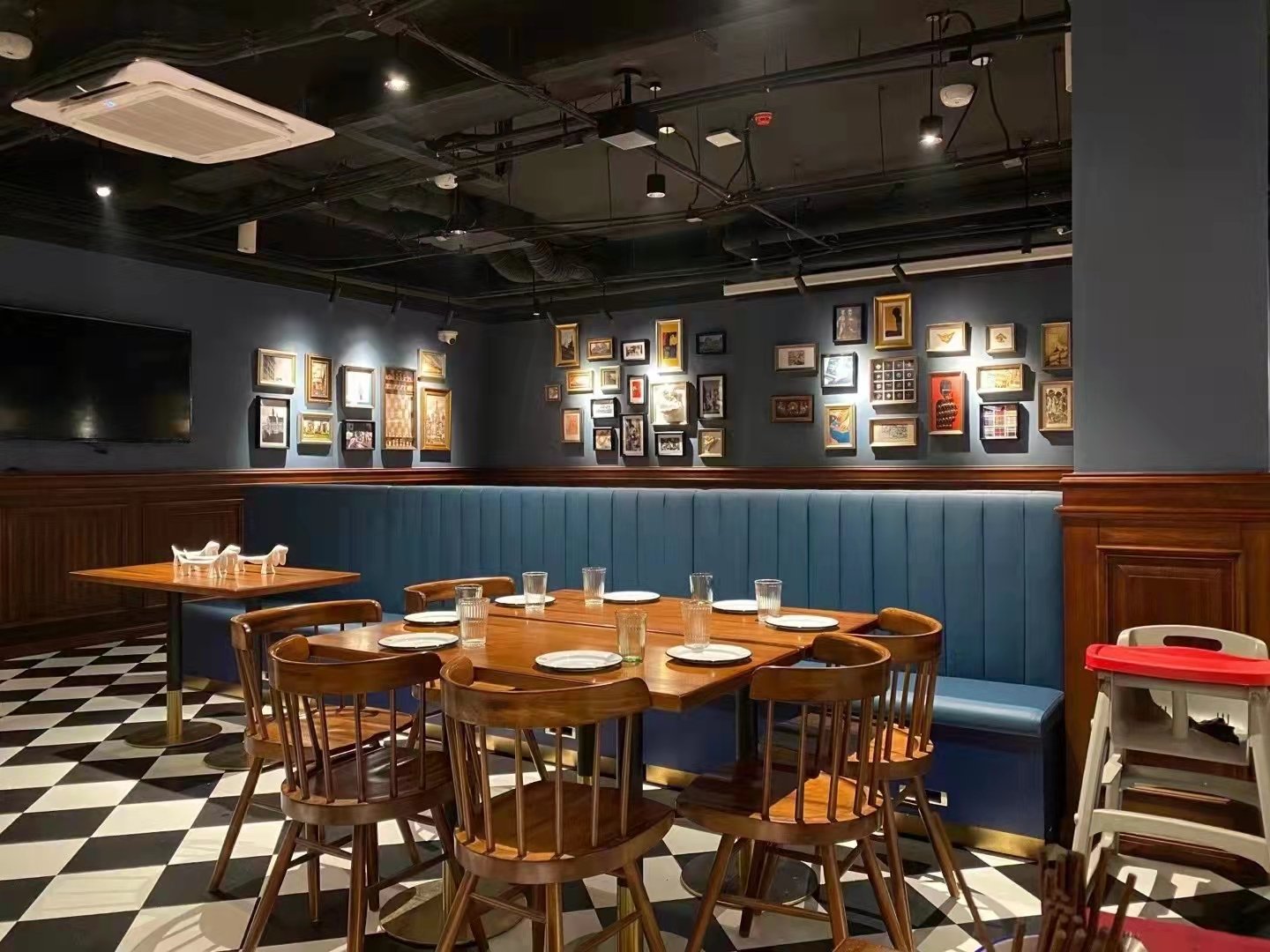
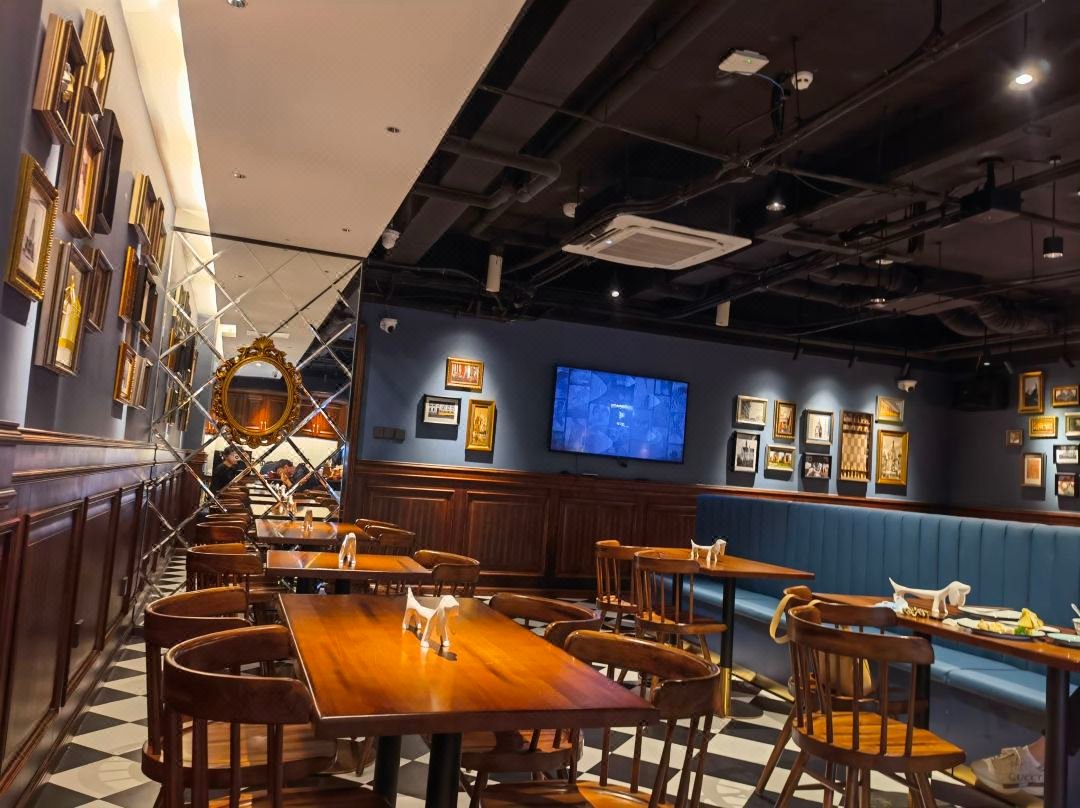
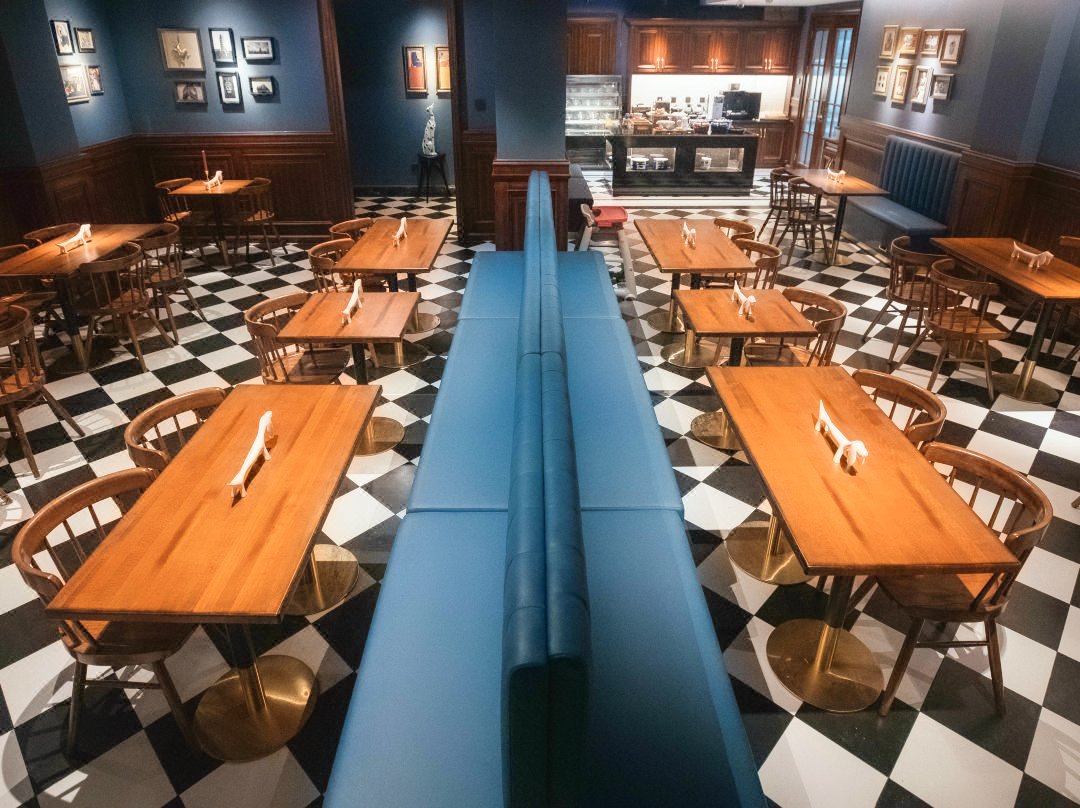
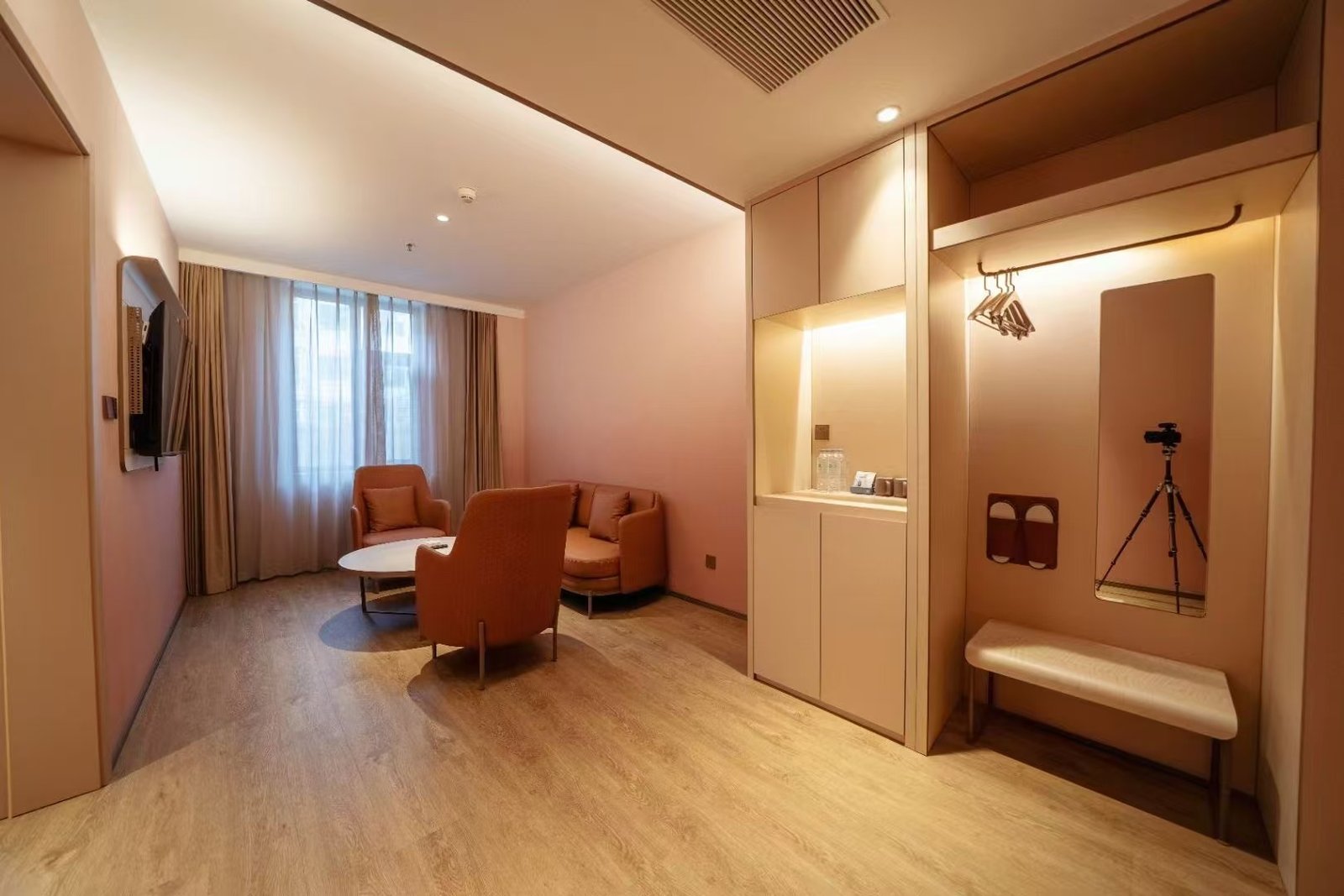
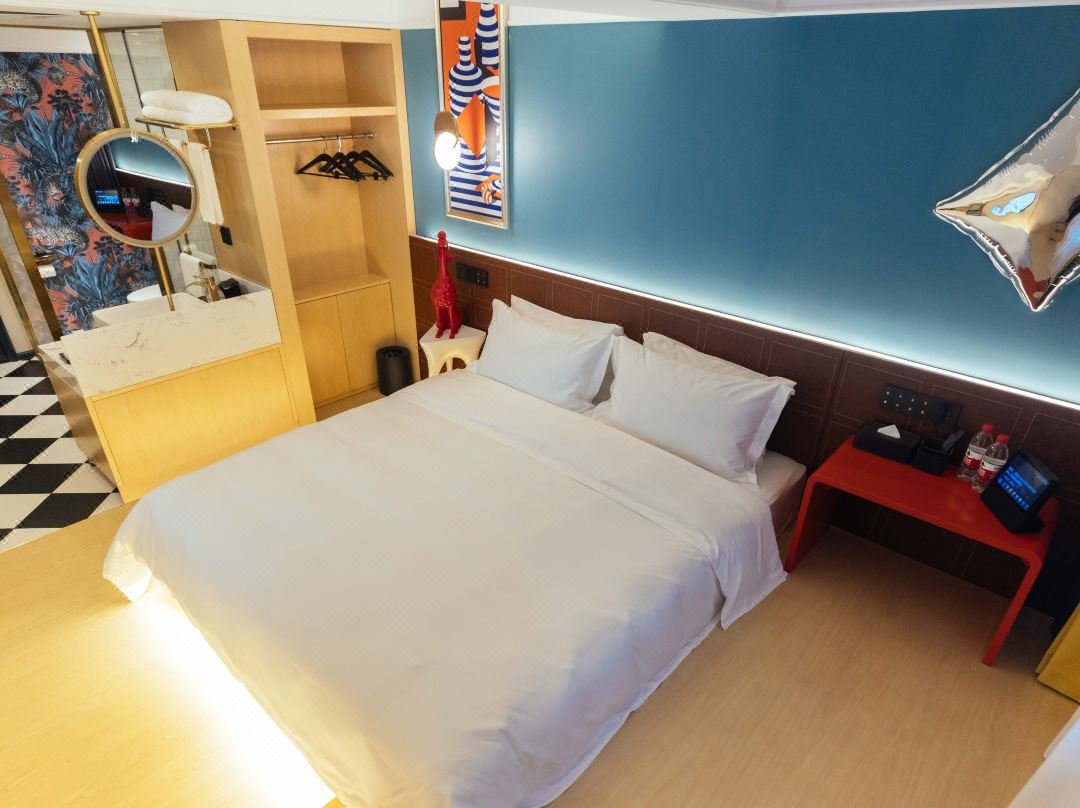
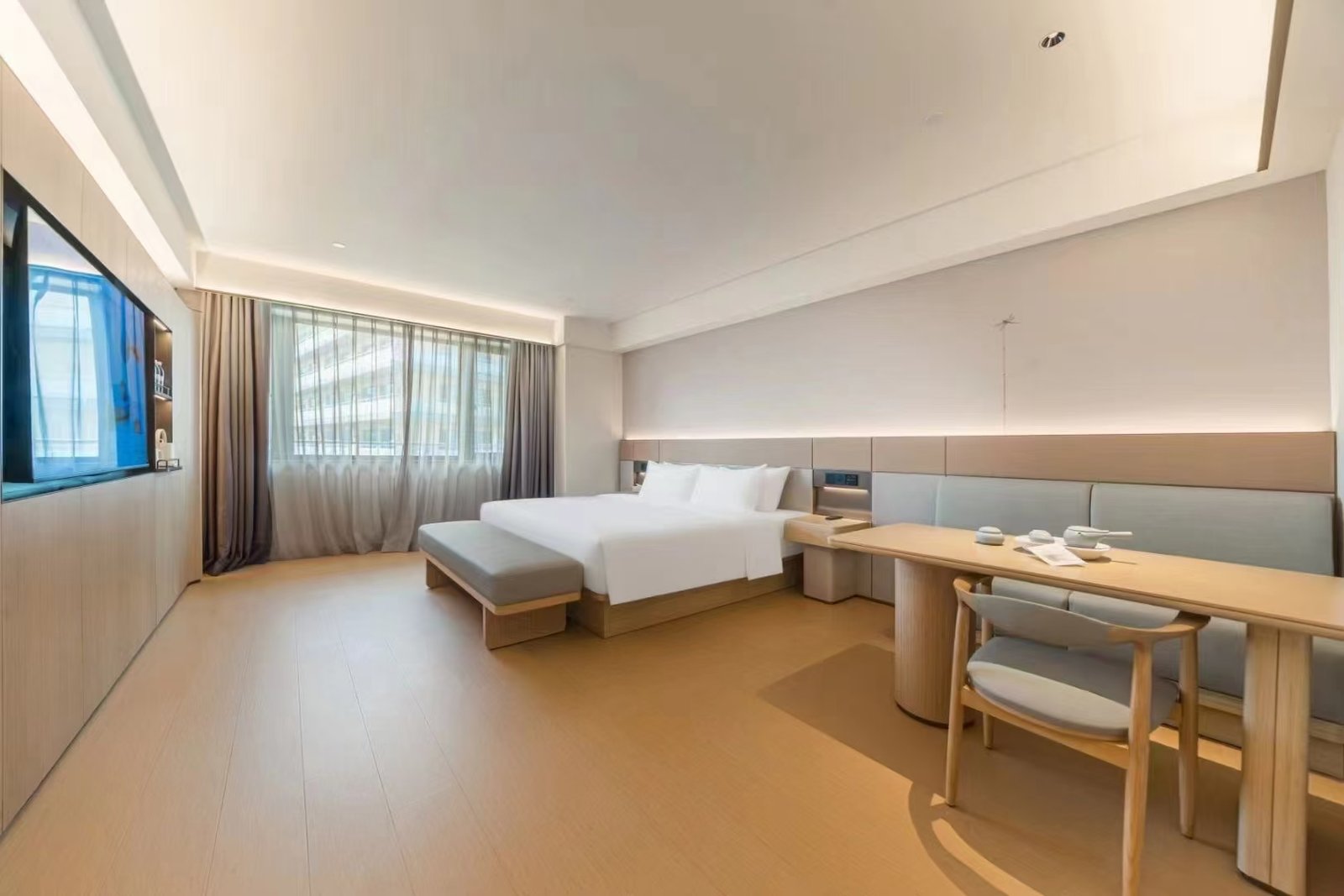
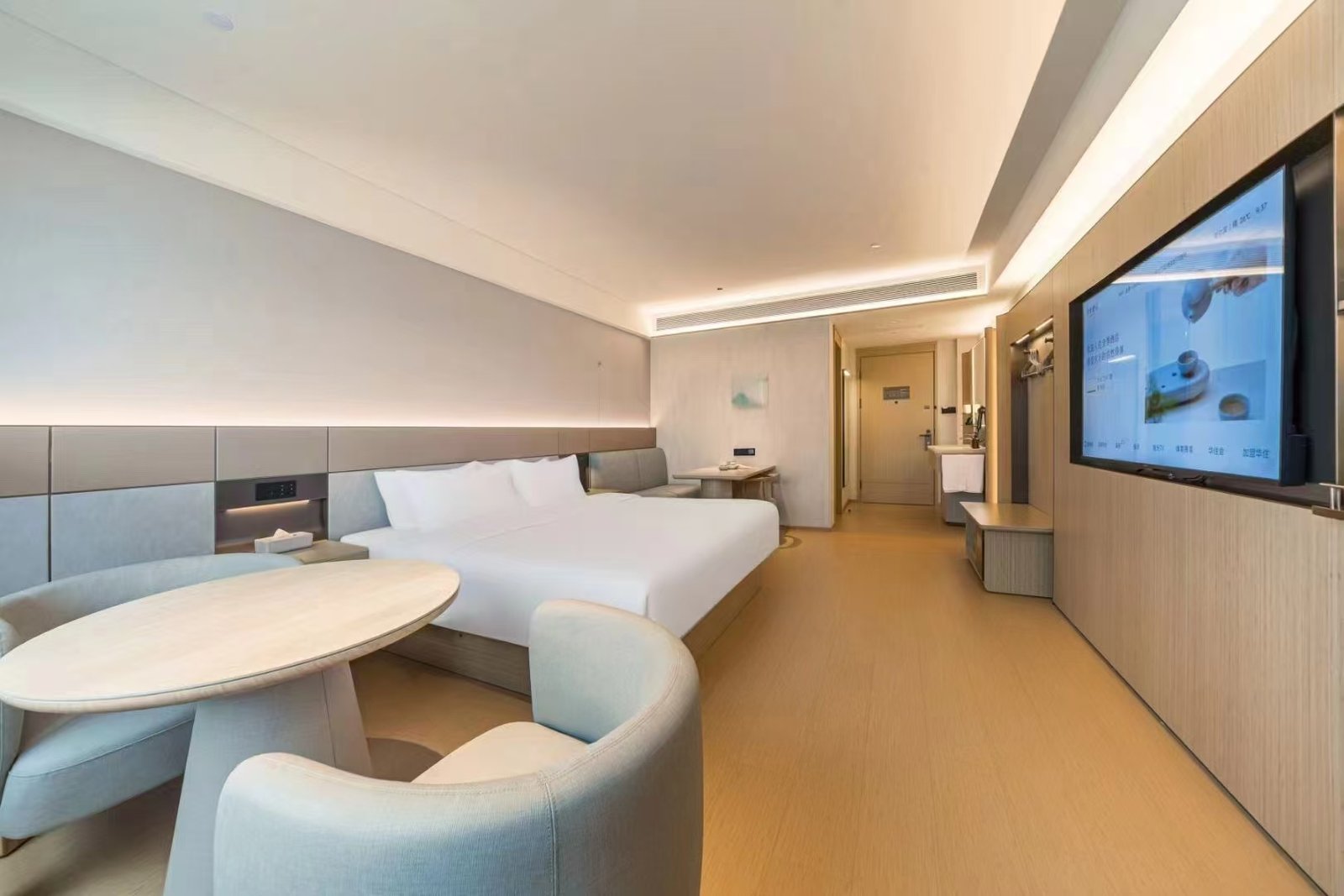
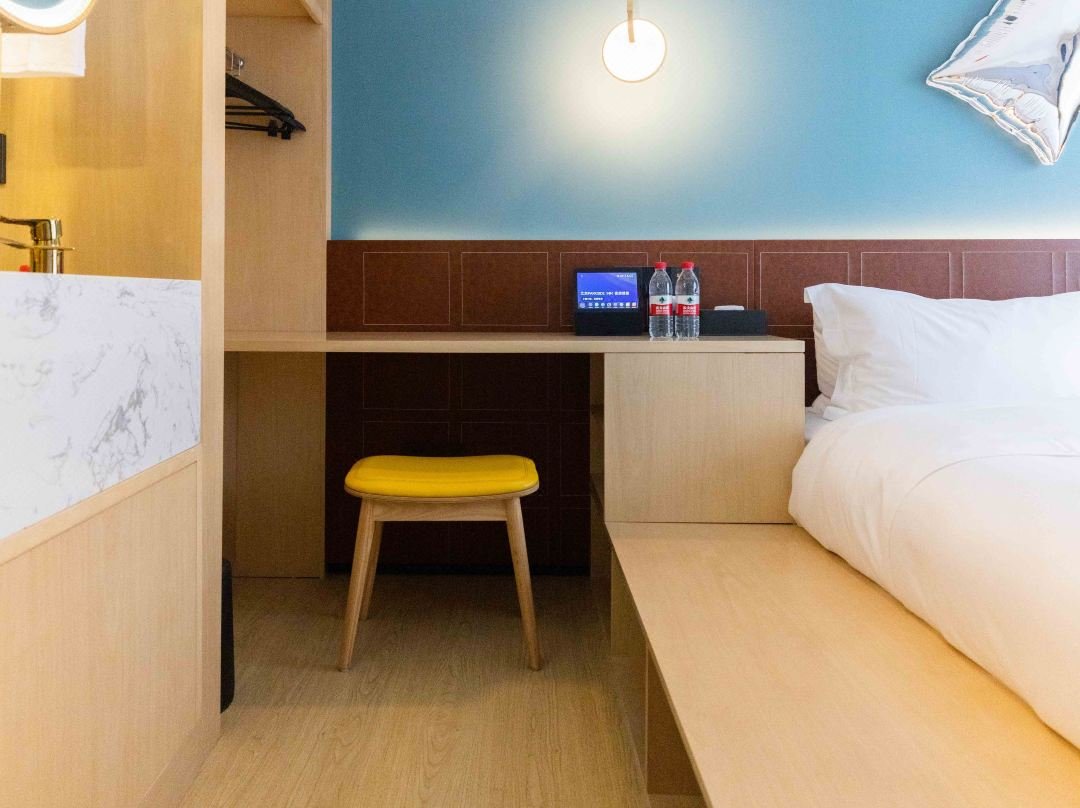
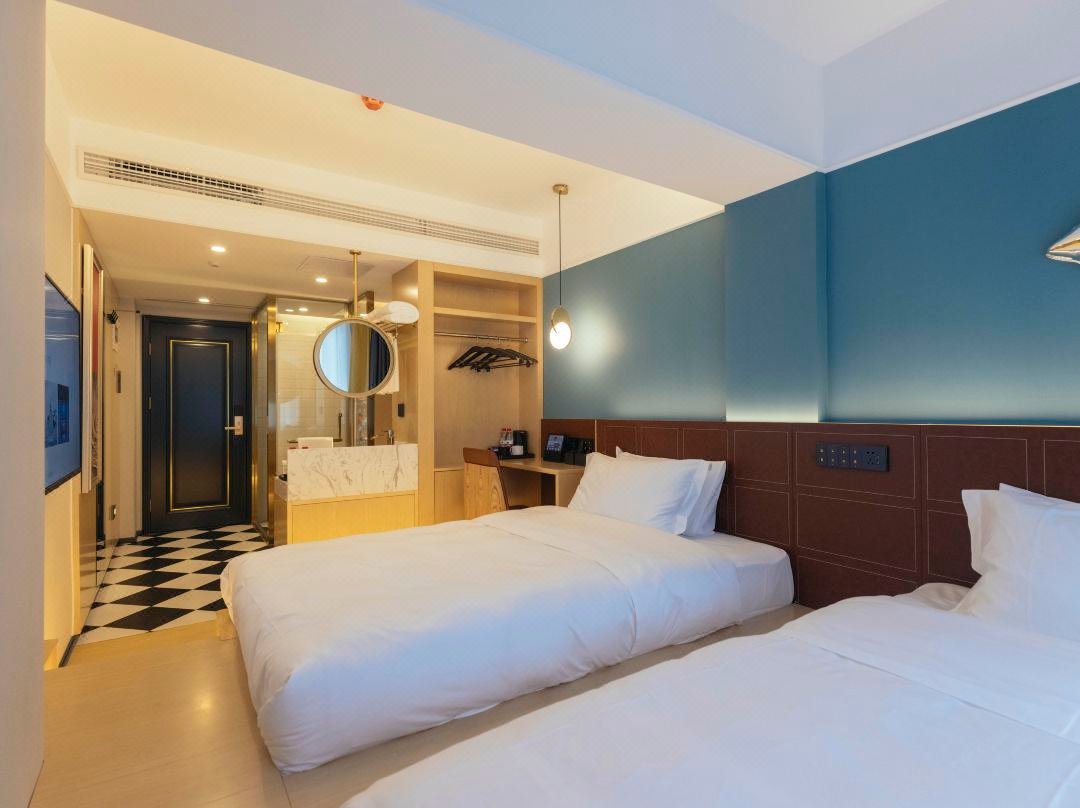
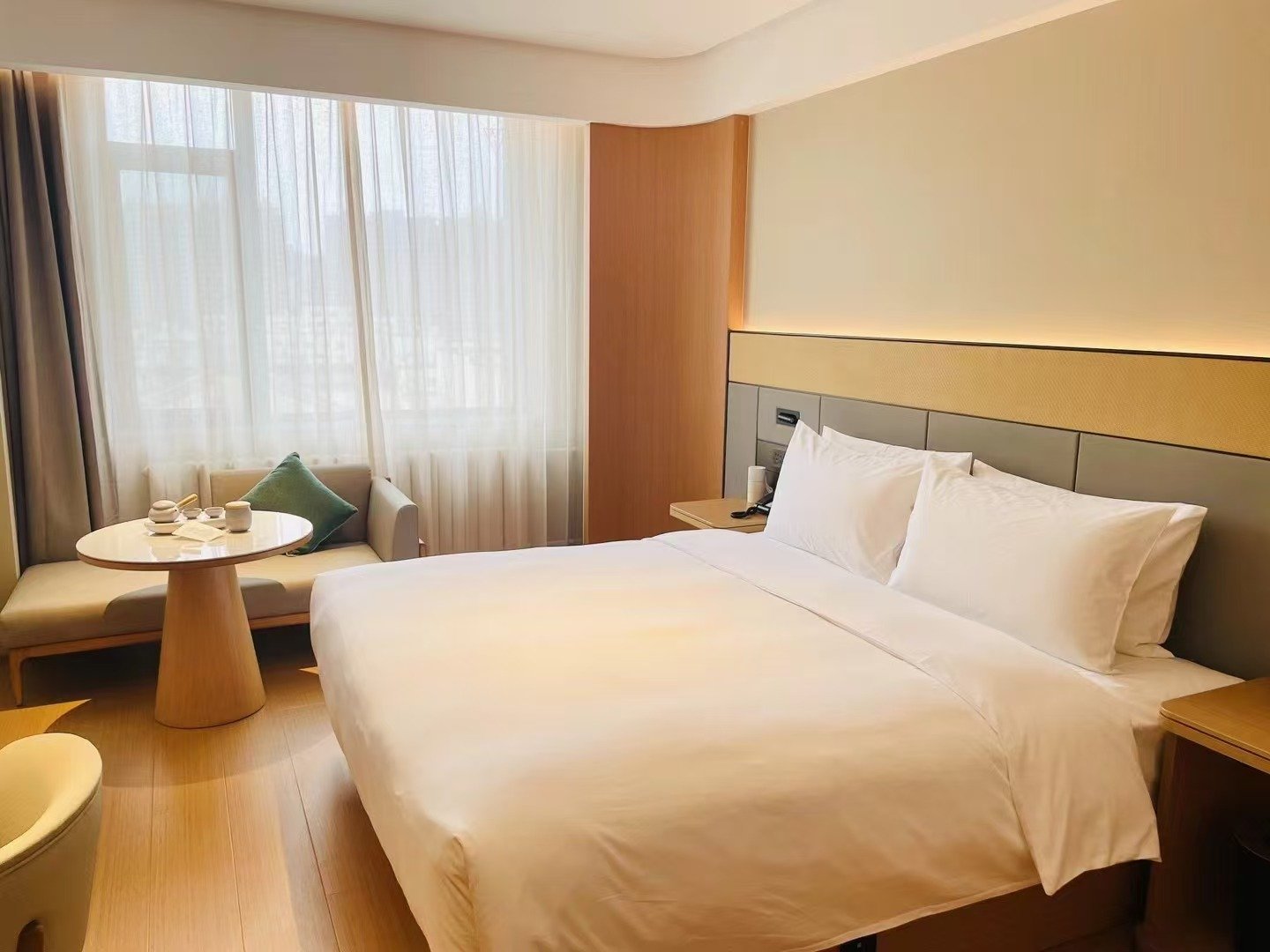
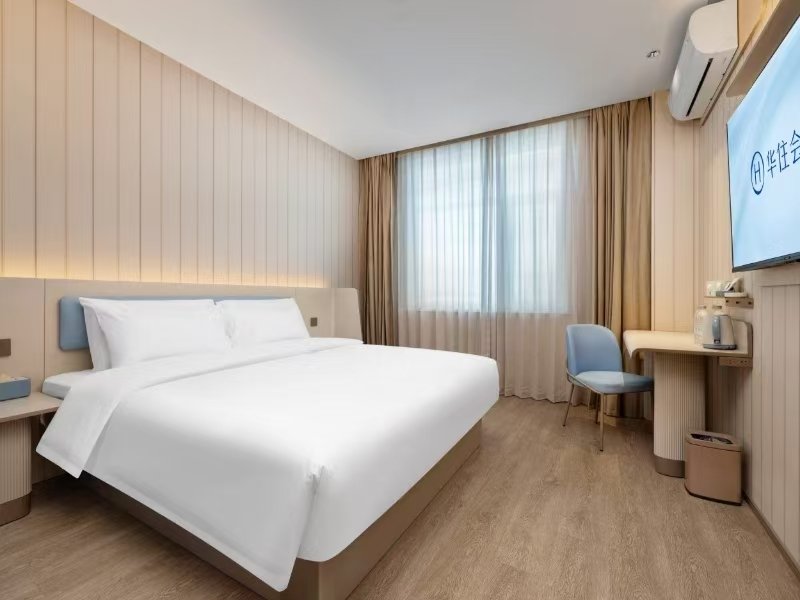
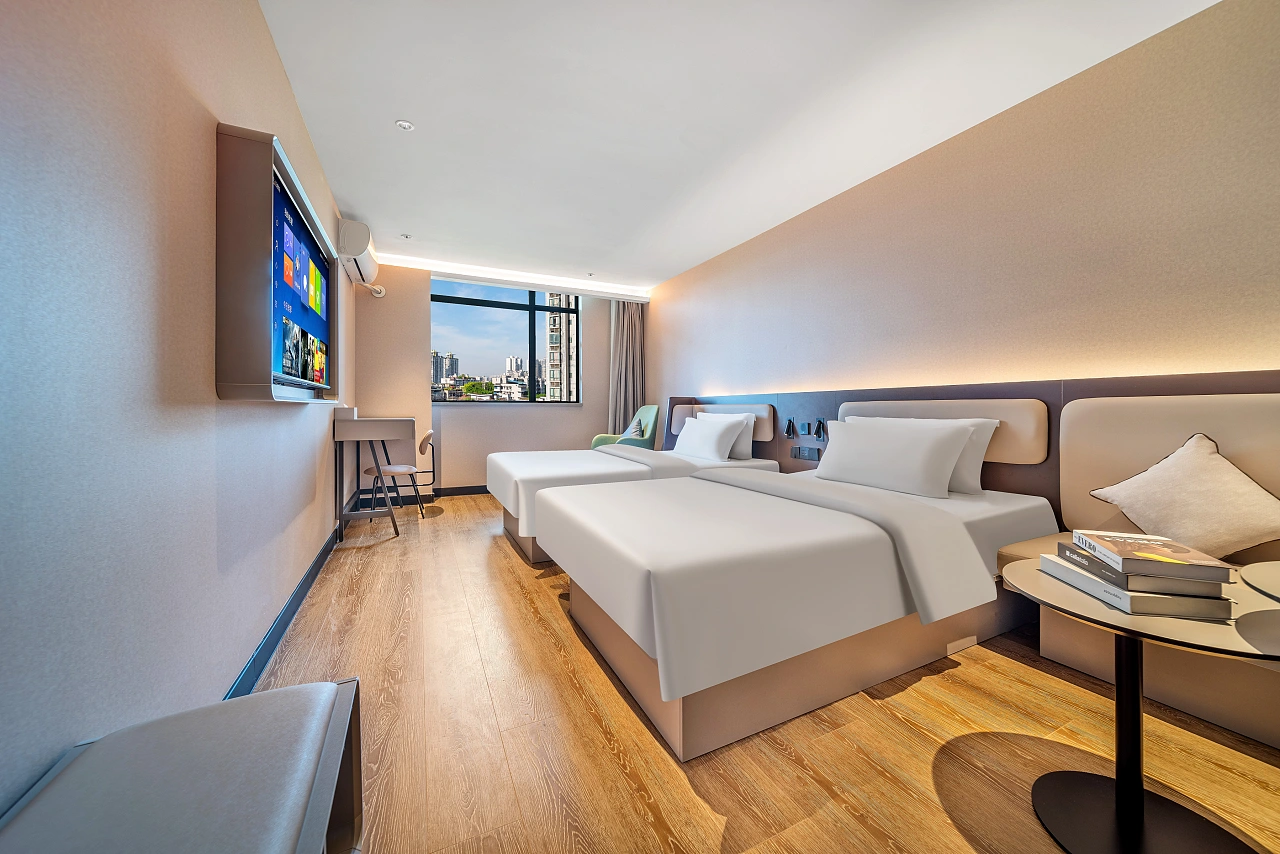
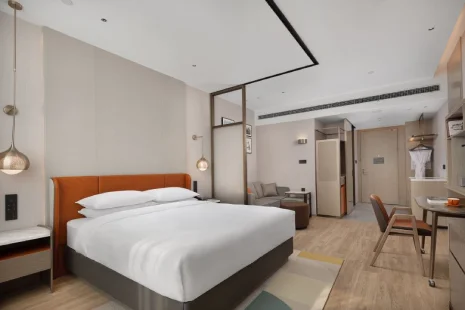
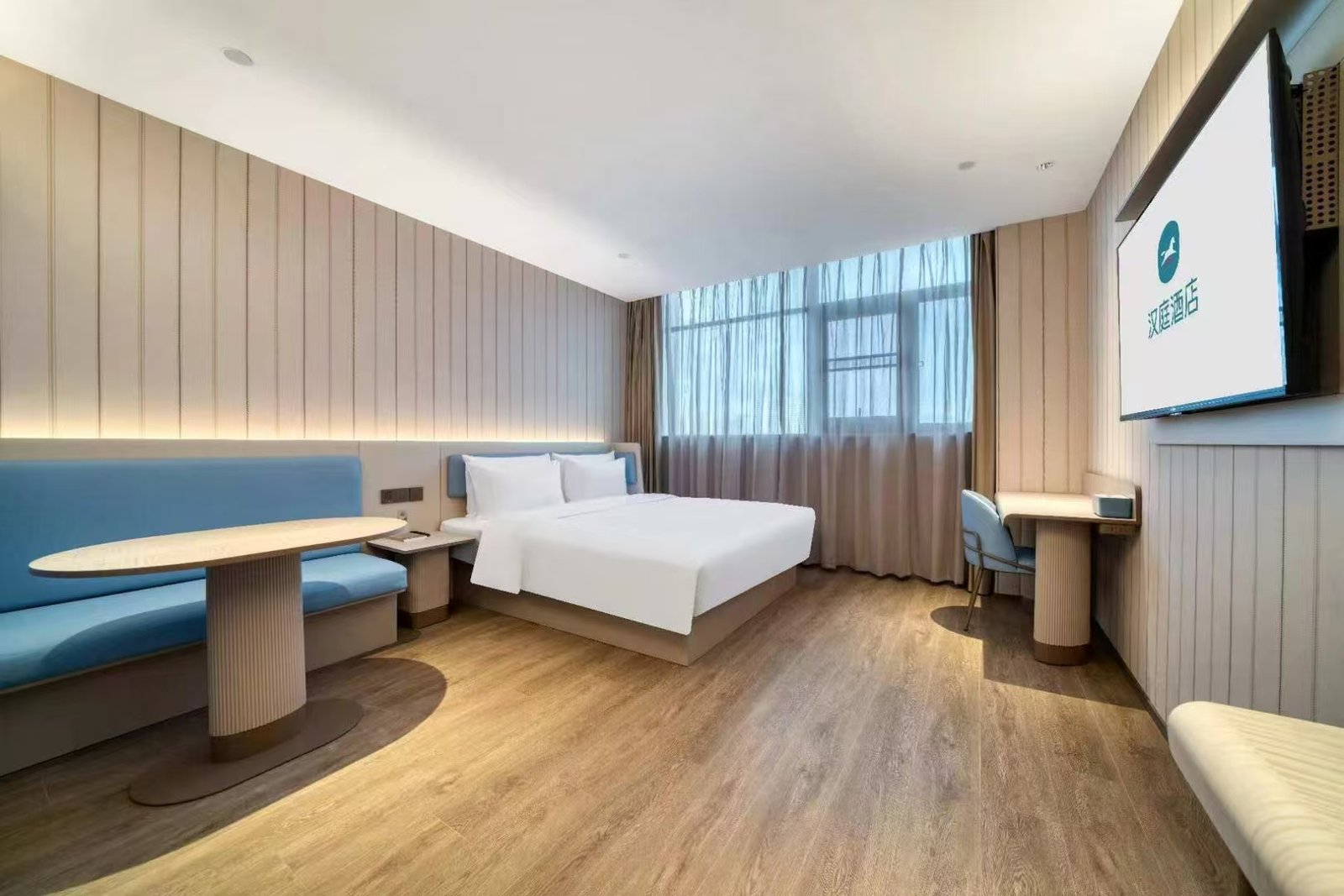
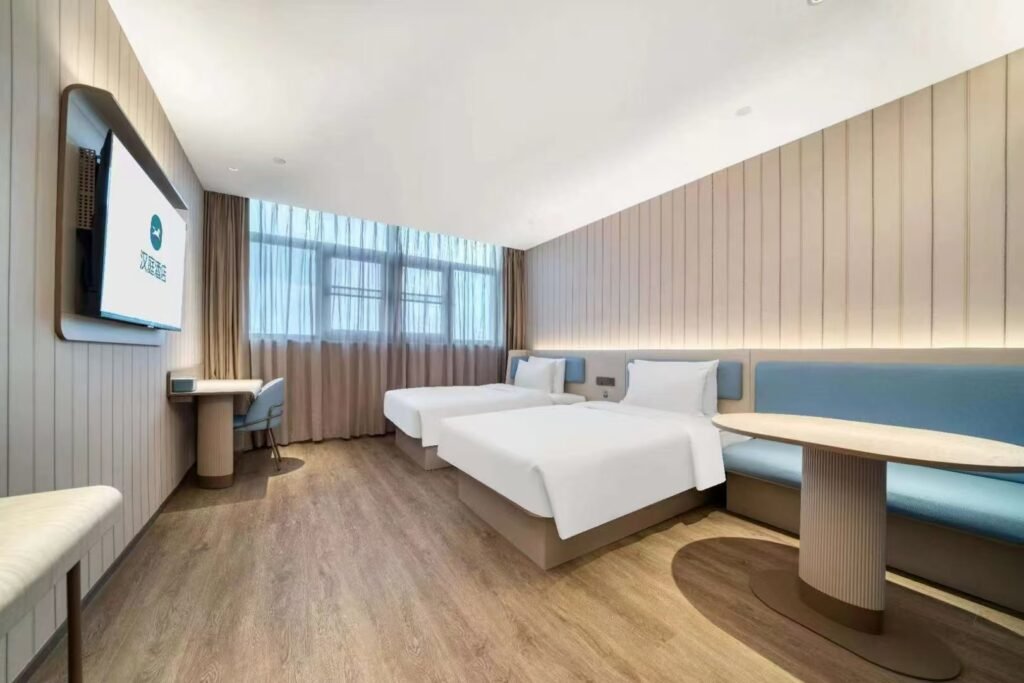
For furniture buyers in particular, hotel FF&E usually covers many of the major furniture pieces that define how a guest room or public area looks and functions.
OS&E, by comparison, usually refers to the smaller operational items needed to run the hotel after opening.
Quick answer: FF&E is generally the furniture, fixtures and equipment that form part of the hotel environment. OS&E is generally the operating supplies and equipment used during day-to-day hotel operation.
What Does FF&E Mean in a Hotel Project?
FF&E stands for Furniture, Fixtures and Equipment.
In a hotel project, this can include products such as:
- Beds and bed frames
- Headboards
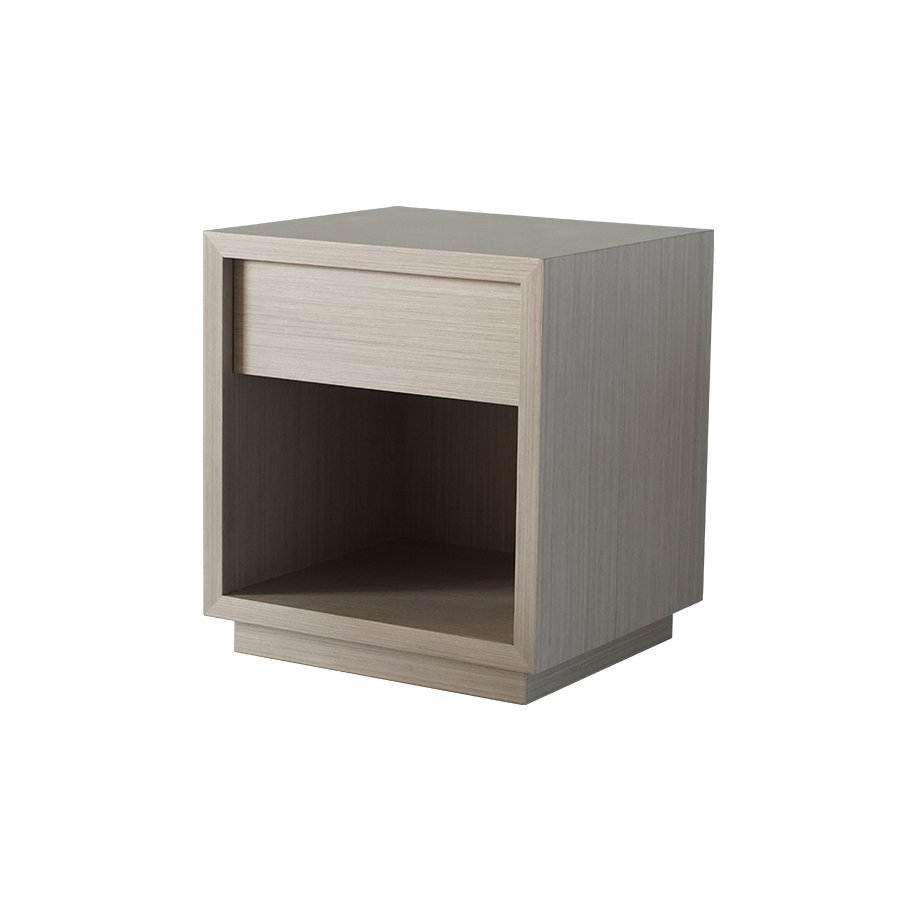
- Bedside cabinets
- Wardrobes
- Desks
- Tables
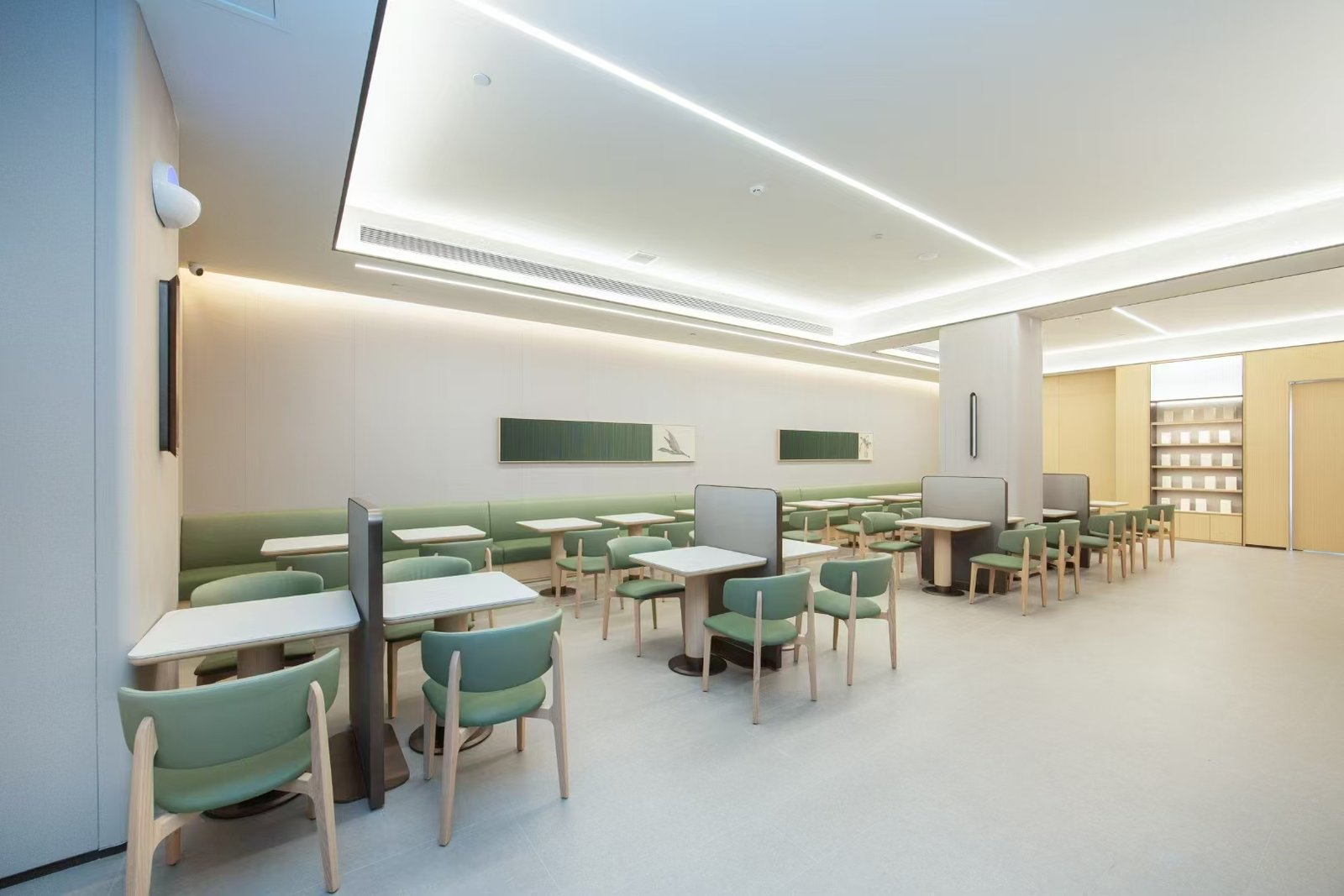
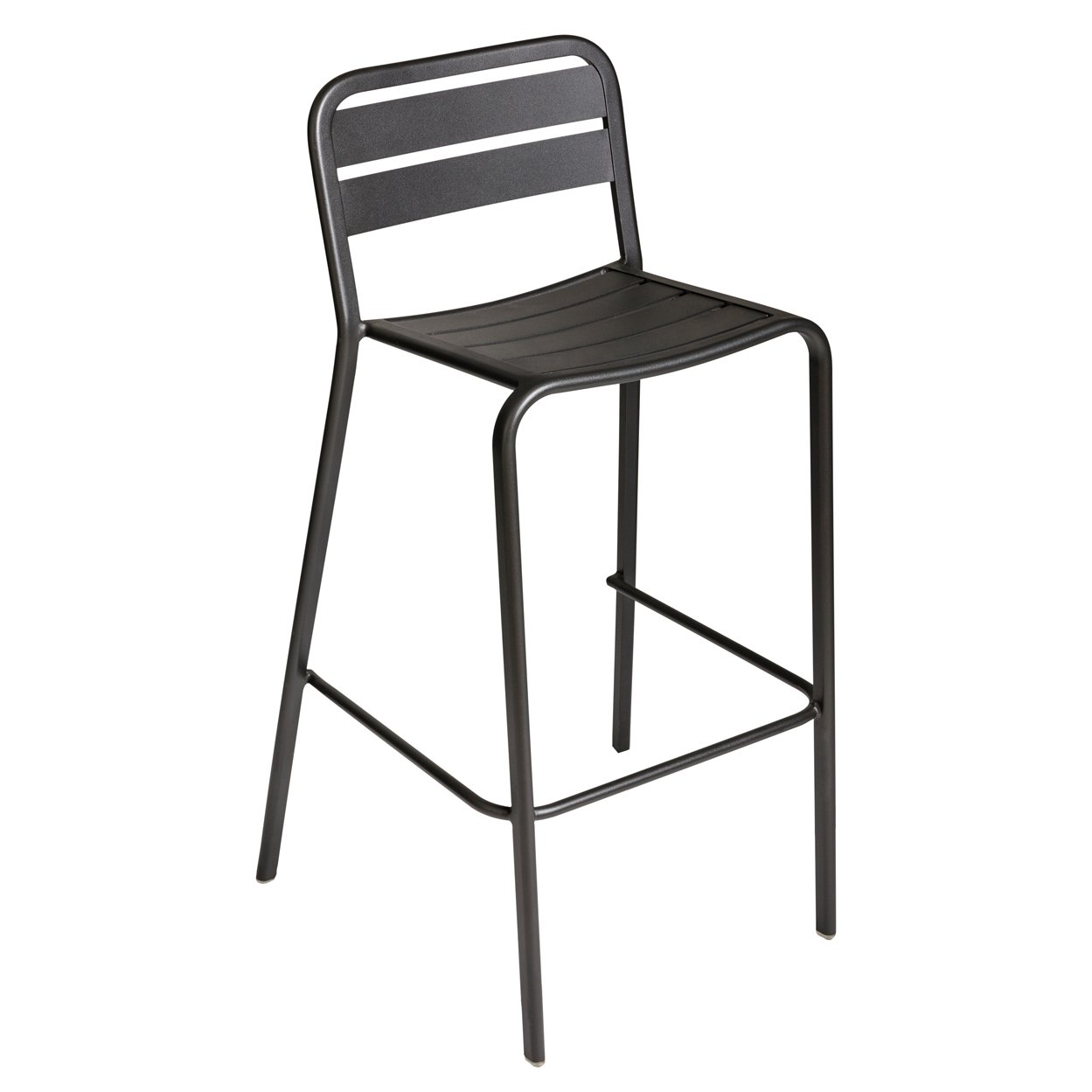
- Dining chairs
- Lounge chairs
- Sofas
- Benches and ottomans
- Loose decorative furniture
- Selected lighting or equipment depending on project scope
The exact definition can vary from project to project, so buyers should always follow the project’s own BOQ and scope documents rather than assuming every hotel uses identical classifications.
What Does OS&E Mean?
OS&E stands for Operating Supplies and Equipment.
These are generally the items required for operating the hotel rather than forming the main furniture package.
Depending on the hotel, OS&E can include things such as:
- Bed linen
- Towels
- Glassware
- Crockery
- Cutlery
- Small kitchen equipment
- Housekeeping equipment
- Guest-room accessories
- Waste bins
- Operational tools and supplies
These products are essential to opening and running the hotel, but they are normally procured differently from customized guest-room furniture.
So What Is the Main Difference Between FF&E and OS&E?
For a hotel furniture buyer, the easiest way to understand the distinction is to think about how the item participates in the project.
| FF&E | OS&E |
|---|---|
| Closely connected to interior design | Closely connected to hotel operation |
| Often customized for the project | More commonly based on standard products |
| May require shop drawings and samples | Usually requires product specification and quantity confirmation |
| Often ordered earlier in the project | Often purchased closer to hotel opening |
| Furniture dimensions can affect room layout | Usually has less influence on architectural dimensions |
| Production lead time can be significant | Many items may have shorter procurement cycles |
Does All Hotel Furniture Belong to FF&E?
Most loose and customized hotel furniture would normally be treated as part of the FF&E scope, but buyers should still check the project documents.
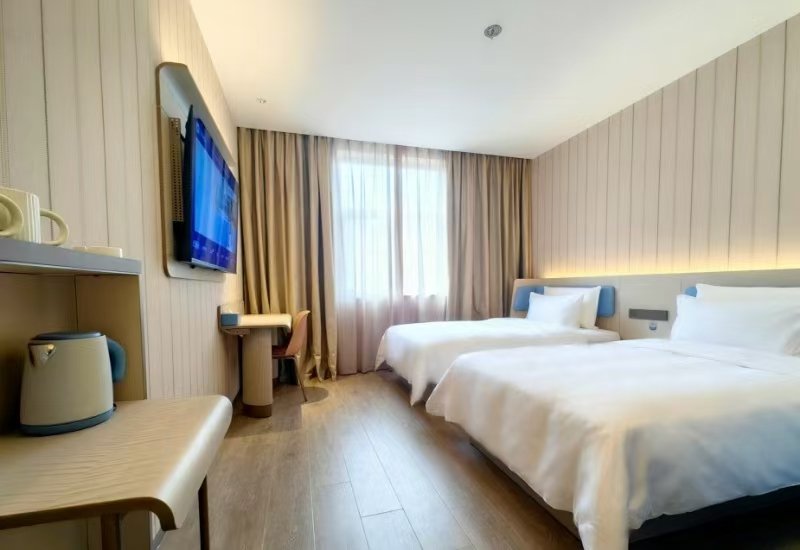
A typical guest-room FF&E furniture package may contain:
Bed area:
Bed frame, headboard, bedside cabinets and related furniture components.
Storage area:
Wardrobe, minibar cabinet, luggage storage and other casegoods.
Work area:
Desk, desk chair and occasional table.
Seating area:
Lounge chair, sofa, bench or ottoman depending on the room category.
The exact room package changes between standard rooms, suites and extended-stay rooms, which is why FF&E quantities should normally be organized by room type rather than only by total room count.
Are Built-In Cabinets FF&E or Part of the Construction Package?
This is where the boundary can become less clear.
A loose wardrobe is easy to identify as furniture. A fully built-in wardrobe that connects to walls, ceilings or architectural finishes may be divided differently depending on the project’s contractual structure.
The same issue can appear with:
- Built-in minibar units
- Wall-mounted headboards
- Fixed vanities
- Integrated desks
- Decorative wall furniture
For buyers, the classification itself is less important than making sure someone clearly owns the responsibility.
The project should confirm:
- Who provides the drawing?
- Who confirms site dimensions?
- Who manufactures the product?
- Who provides fixing hardware?
- Who installs it?
- Who is responsible if site dimensions change?
A scope gap between the furniture supplier and main contractor can create much larger problems than the label used in the BOQ.
Why Is FF&E Usually More Complicated to Procure?
Many OS&E products can be selected from an existing specification or product range.
Customized FF&E is different because the product may not fully exist when the procurement process begins.
A hotel lounge chair may start as an interior rendering. The manufacturer then needs to translate that design into:
- Overall dimensions
- Frame construction
- Foam specification
- Fabric consumption
- Wood or metal details
- Finish standards
- Production drawings
- A physical sample
The buyer is therefore purchasing both a product and a development process.
When Should Hotel FF&E Procurement Start?
Waiting until the guest rooms are almost finished can create unnecessary pressure.
Customized furniture may require time for:
Specification review
The manufacturer first needs to understand the BOQ, drawings, dimensions, finishes and quantities.
Shop drawings
Design information needs to be converted into production-ready furniture details.
Material development
Wood, metal, fabric, stone or other finishes may need to be sourced and approved.
Prototype production
Important furniture may require a sample or mock-up room.
Revisions
Samples frequently create comments that need to be incorporated before production.
Mass production
Production then needs to follow the final approved standard consistently.
Inspection and packing
Completed furniture still needs QC, protection, loading and transportation.
This means the furniture procurement schedule should work backward from the required installation date rather than simply from the factory production date.
Who Usually Controls the FF&E Specification?
There may not be one single answer.
Different project participants can control different parts of the specification.
The interior designer may control appearance, dimensions and finish intent.
The hotel owner or operator may define operational and brand requirements.
The procurement company may manage RFQs, supplier comparison and commercial coordination.
The furniture manufacturer may develop shop drawings, construction details and material alternatives.
The contractor may coordinate site conditions, interfaces and installation.
Problems often occur when one party changes a specification but the change does not reach everyone else.
For furniture procurement, there should always be one clearly controlled version of the latest drawing, specification and approval record.
What Should a Buyer Send to an FF&E Furniture Manufacturer?
The more clearly the project is defined, the more meaningful the quotation becomes.
A useful RFQ package may include:
- FF&E BOQ
- Room-type quantities
- Furniture drawings
- Interior renderings
- Overall dimensions
- Material specifications
- Finish references
- Fabric information
- Required testing standards
- Target delivery schedule
- Project location
Not every project will have all of this information at the beginning.
If specifications are incomplete, clearly identify which details are confirmed and which are still open.
This makes it easier for the manufacturer to separate firm pricing from assumptions.
Can One Supplier Handle the Entire Hotel FF&E Package?
Sometimes yes, but “entire FF&E package” needs to be defined carefully.
A custom furniture manufacturer may be able to supply a coordinated range of:
- Casegoods
- Tables
- Bed frames
- Dining chairs
- Lounge seating
- Sofas
- Benches
- Ottomans
But that does not automatically mean the same factory produces lighting, mattresses, curtains, artwork and every other item classified as FF&E.
Buyers should therefore distinguish between:
Furniture package supplier
A manufacturer responsible for multiple coordinated furniture categories.
FF&E procurement company
A company that may manage sourcing from several different manufacturers.
Turnkey project supplier
A supplier whose contractual scope may extend beyond furniture into additional hotel products.
When evaluating a supplier, check the actual manufacturing and sourcing scope rather than relying only on the phrase “one-stop solution.”
Should FF&E Be Quoted Per Room?
Per-room pricing can be useful for early budget discussions, especially when a hotel contains many repeated standard rooms.
However, buyers should not rely on one room-package number alone.
The detailed BOQ should still separate individual furniture items and quantities.
For example, two projects may both describe a “standard guest-room package,” but one package includes:
- Bed frame
- Two bedside cabinets
- Wardrobe
- Desk
- Desk chair
while another also includes:
- Lounge chair
- Coffee table
- Luggage bench
- Minibar cabinet
- Decorative console
A per-room number becomes meaningful only after the contents of the package are defined.
Where Do Buyers Most Often Lose Control of the FF&E Package?
It is usually not because one chair or cabinet was forgotten.
Problems more often appear between different documents.
For example:
The BOQ says 180 bedside cabinets.
The room schedule suggests 184.
The latest drawing changes the cabinet width.
The approved sample uses a newer finish.
The supplier’s quotation still references the previous drawing revision.
Each document may look reasonable on its own, but together they create uncertainty.
This is why hotel furniture procurement needs document control as much as product selection.
What Is the Most Important FF&E Document?
There is no single document that can replace all the others.
Different documents answer different questions:
BOQ: What needs to be purchased and how many?
Drawings: What size and construction should the furniture have?
Material schedule: What materials and finishes should be used?
Approved sample: What physical standard should production reproduce?
Room schedule: Where does each furniture item belong?
Revision record: What changed during development?
The purchasing team needs these references to agree with each other before bulk production.
Does FF&E Procurement End When the Purchase Order Is Issued?
No. For customized furniture, issuing the PO is closer to the middle of the process than the end.
After ordering, buyers may still need to manage:
- Final drawings
- Material approval
- Sample approval
- Production progress
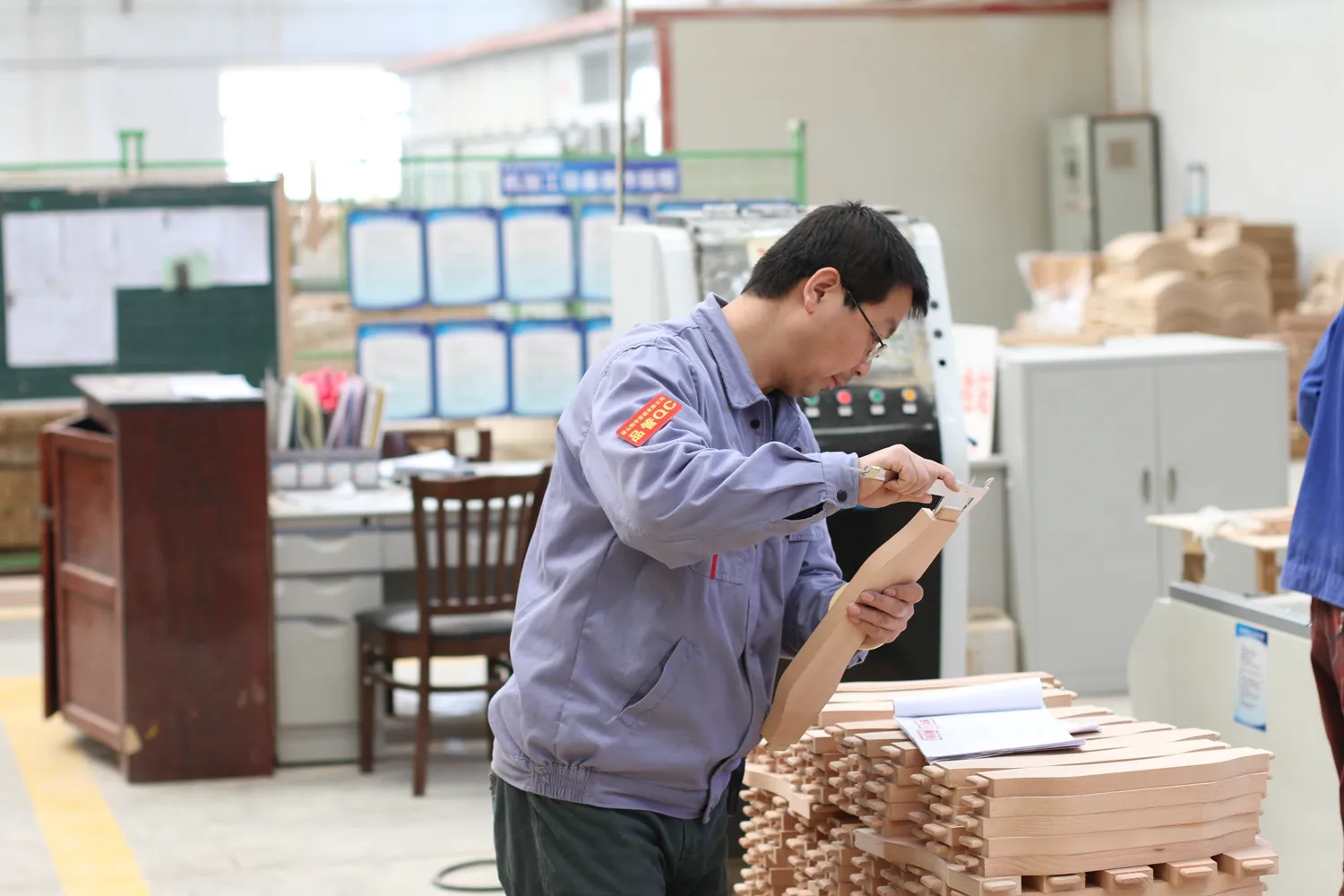
- Quality inspection
- Finish consistency
- Packing
- Shipping documents
- Delivery coordination
For larger projects, the ability of a supplier to manage these stages can be just as important as the original furniture quotation.
Our Custom Furniture Solutions cover project development from drawings and material confirmation through samples and mass production.
What Should Buyers Remember About FF&E vs OS&E?
The simplest distinction is useful:
FF&E builds the physical hotel environment.
OS&E helps the hotel operate within that environment.
But real projects are more complicated than those two definitions.
A buyer should pay particular attention to products located near the boundary between furniture, built-in work and operational equipment, because unclear responsibility can create missing items, duplicated purchasing or installation problems.
For customized hotel FF&E, the most important work happens before and after the quotation: defining the scope, controlling specifications, approving samples and making sure bulk production follows the final agreed standard.
Need Support With a Hotel FF&E Furniture Package?
TSXY manufactures customized furniture for hotel and hospitality projects, including guest-room casegoods, beds, tables, dining chairs, lounge chairs, sofas, benches and related furniture packages.
Project buyers can provide BOQ, room schedules, drawings, renderings and finish requirements for quotation, furniture development and production review.
View Hotel Furniture | Explore Custom Solutions | Review Our Factory