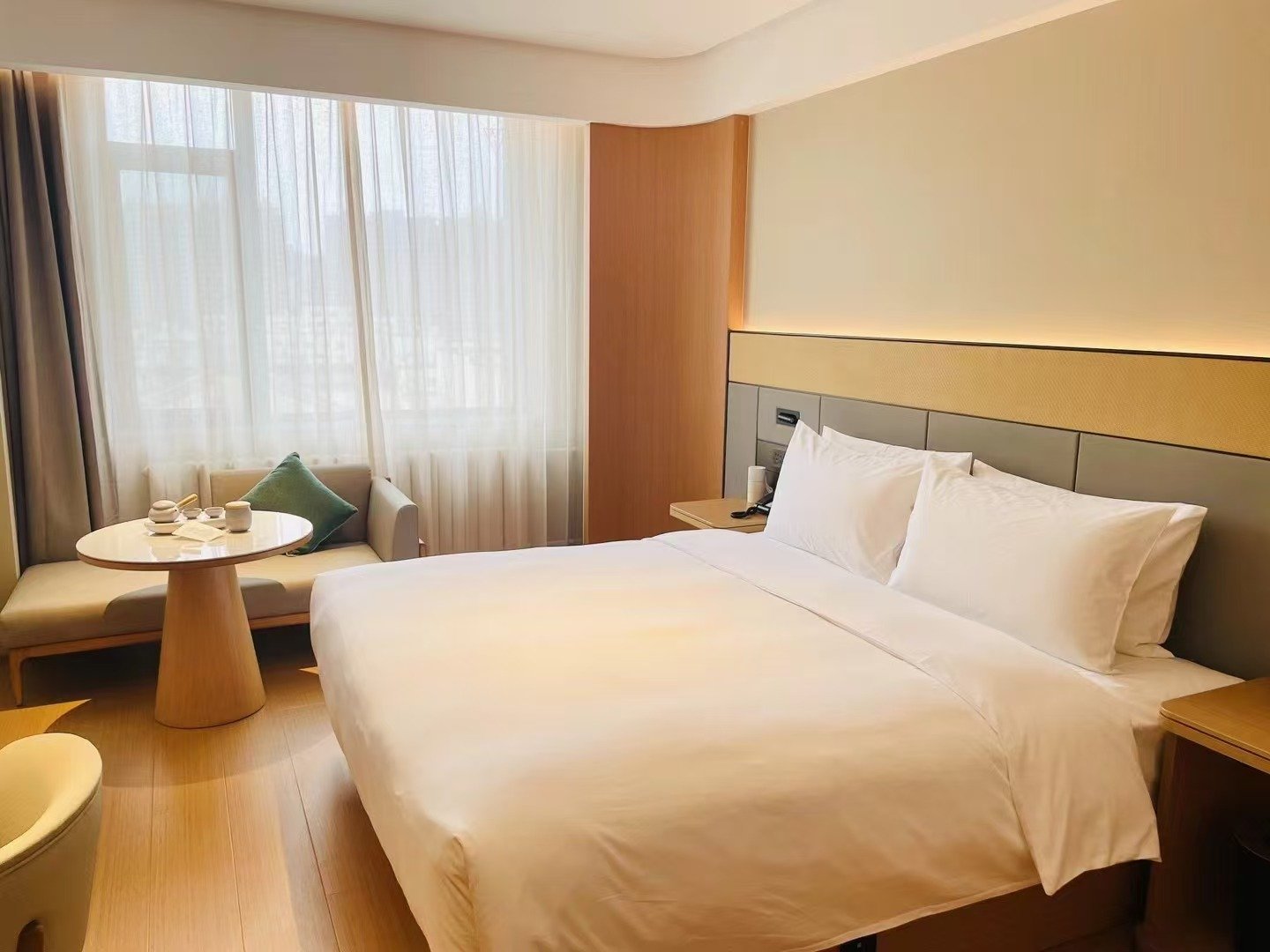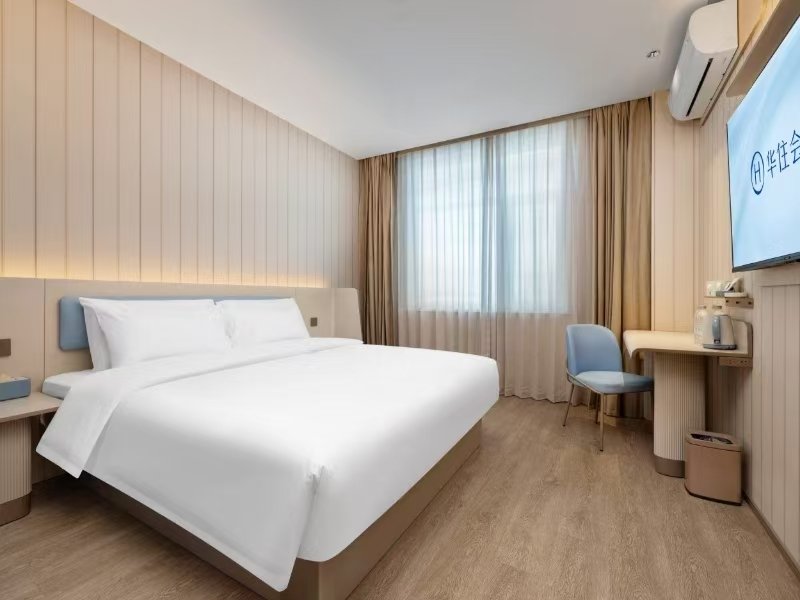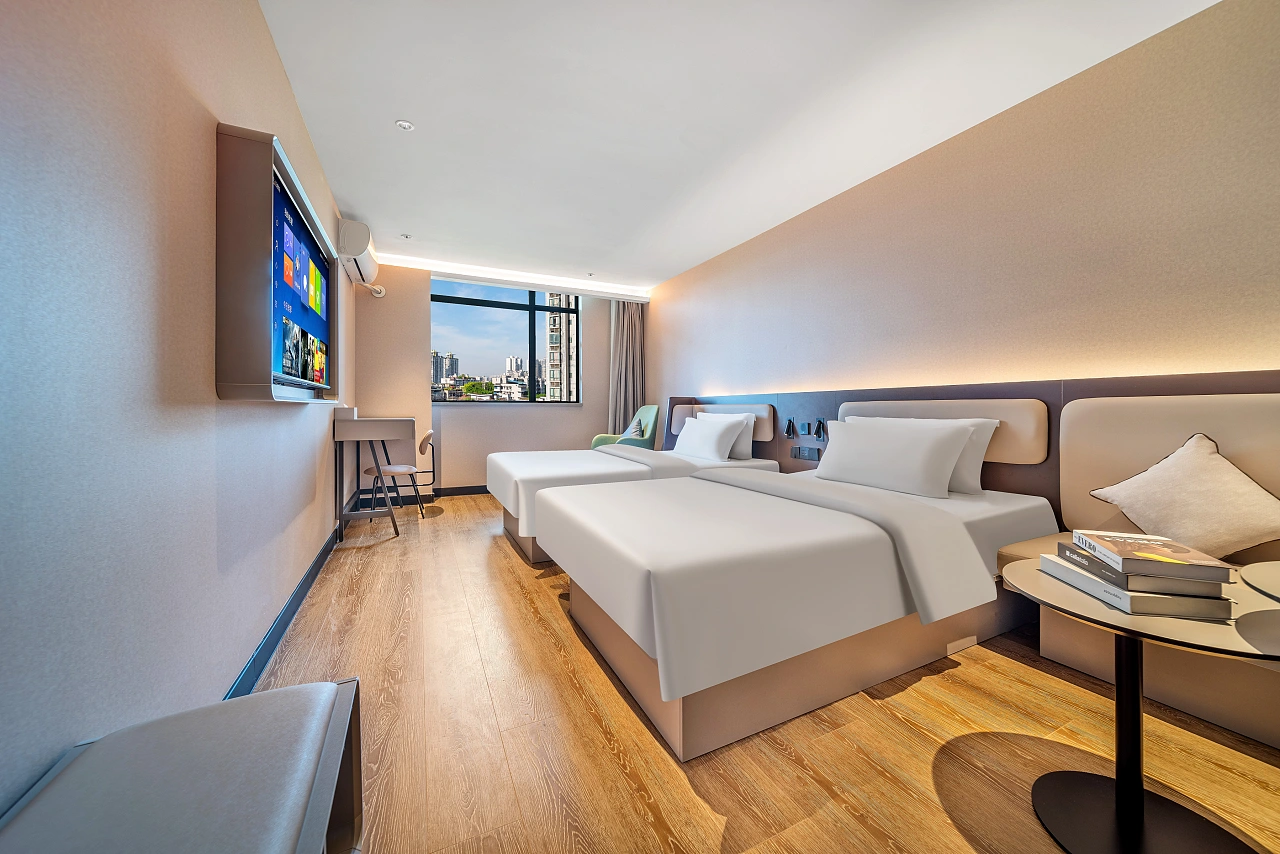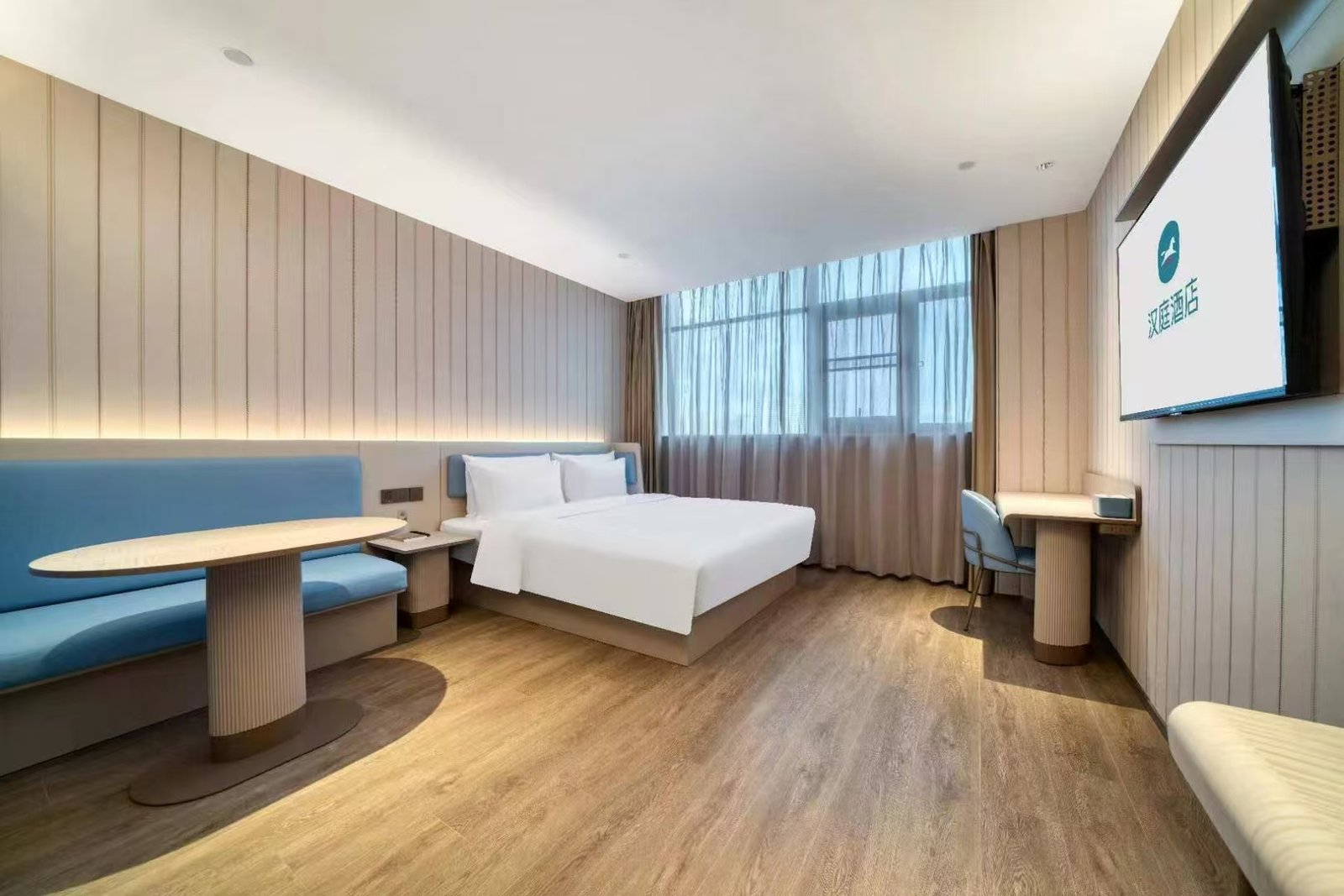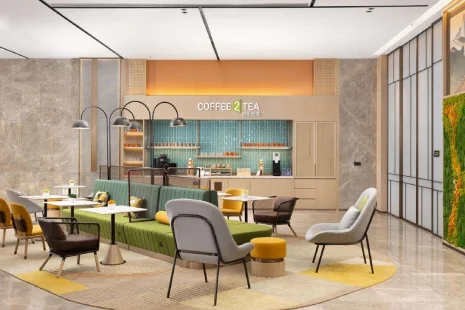

A hotel chair rarely fails because someone used it once. A drawer does not become loose because it was opened one time. Most furniture problems appear after hundreds or thousands of repeated movements, impacts, cleaning cycles and guest turnovers.
That is why choosing durable hotel furniture requires a different way of thinking from choosing residential furniture. Project buyers need to look beyond appearance and ask where the furniture will receive the most stress during daily hotel operation.
Durability is usually lost at the weakest repeated-use point: a joint, hinge, drawer runner, fabric edge, tabletop corner, chair leg or poorly protected surface.
Walk Through the Guest Room Like an Operator, Not a Designer
Before discussing materials, imagine what happens in the room after check-in.
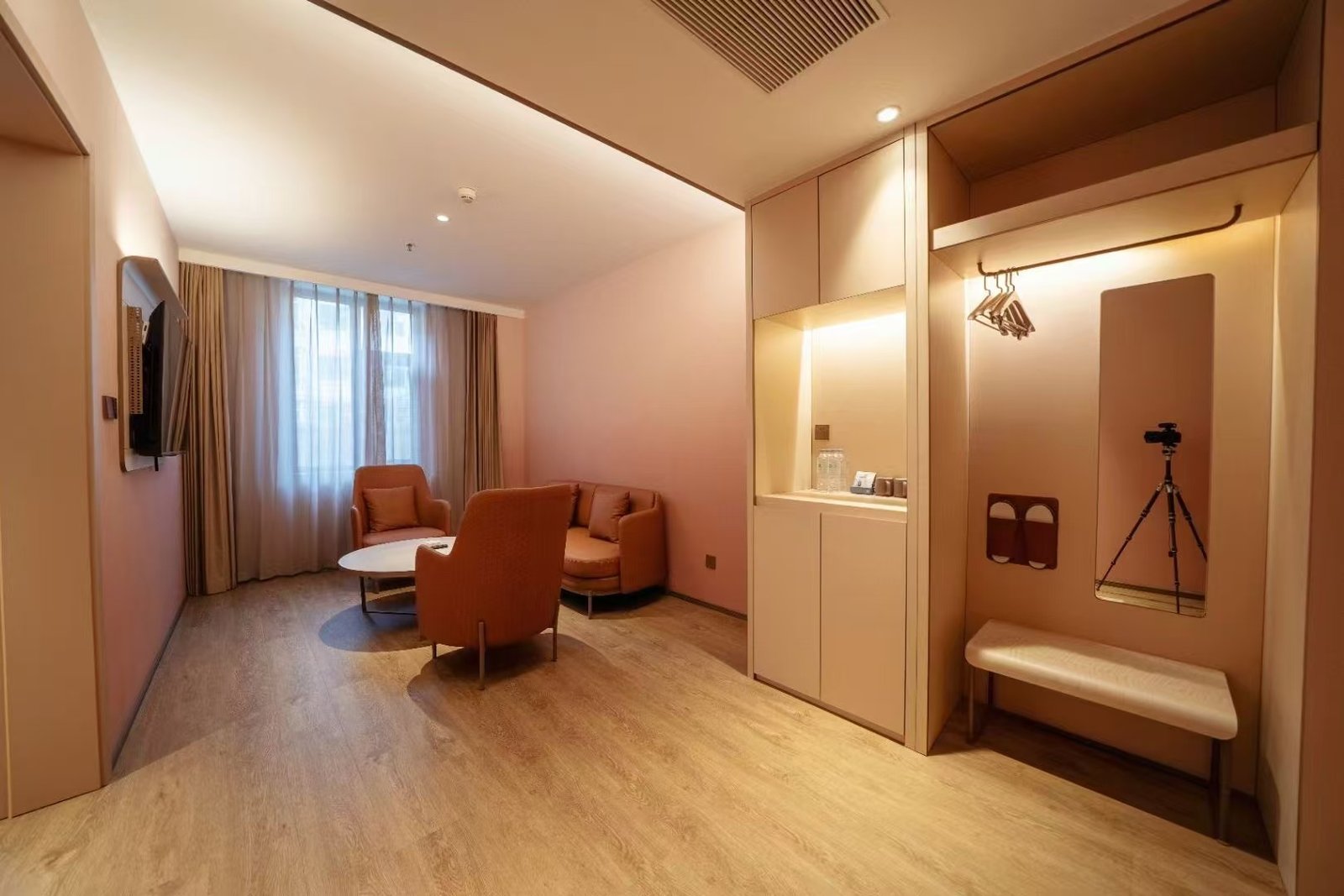
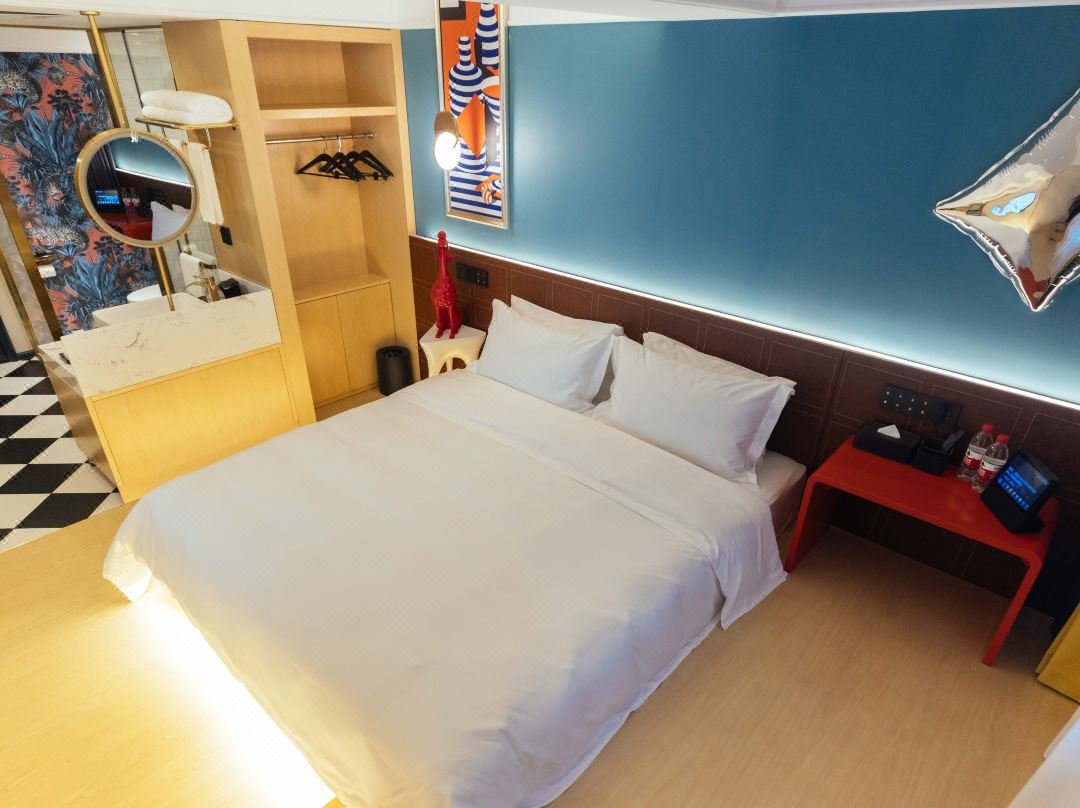
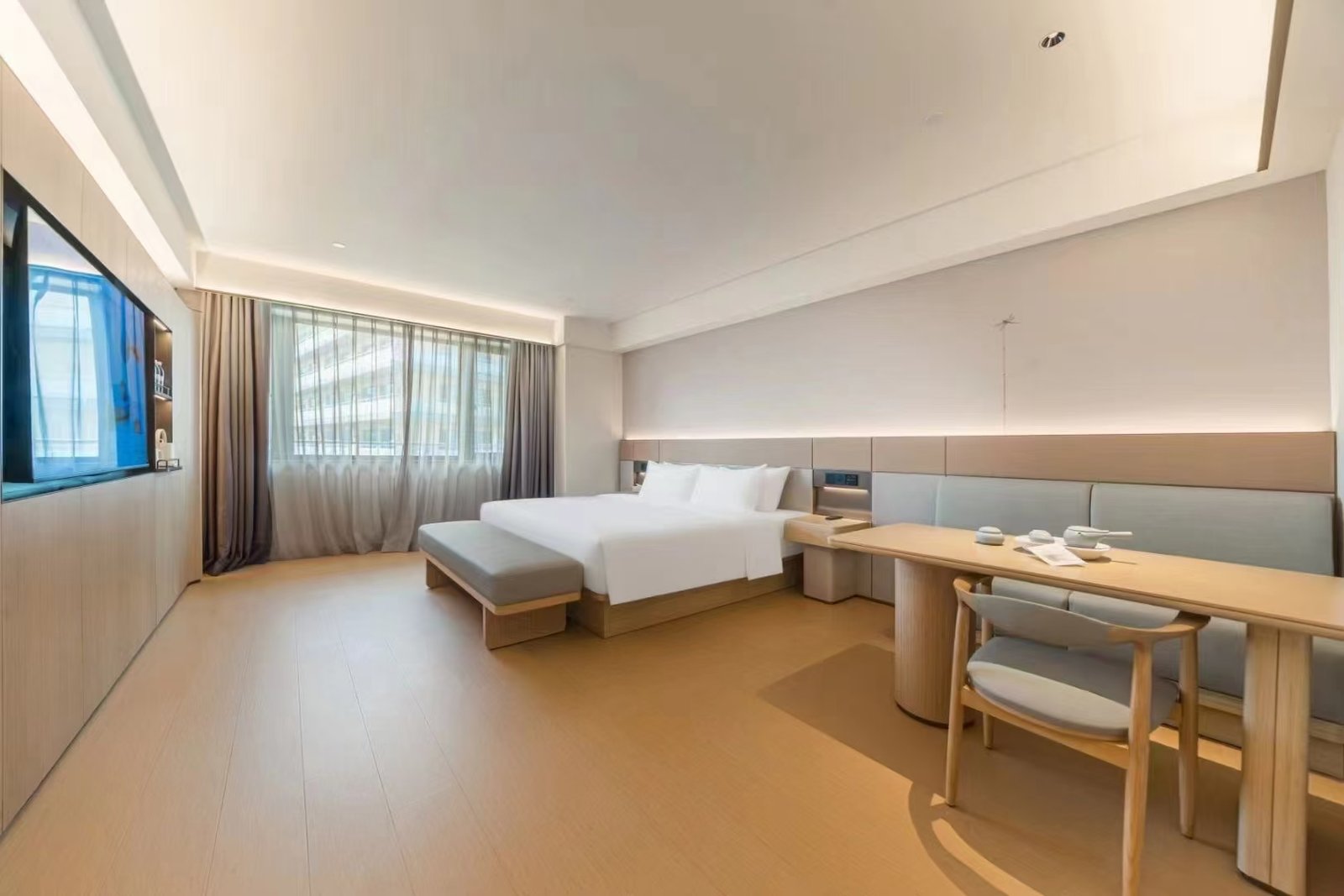
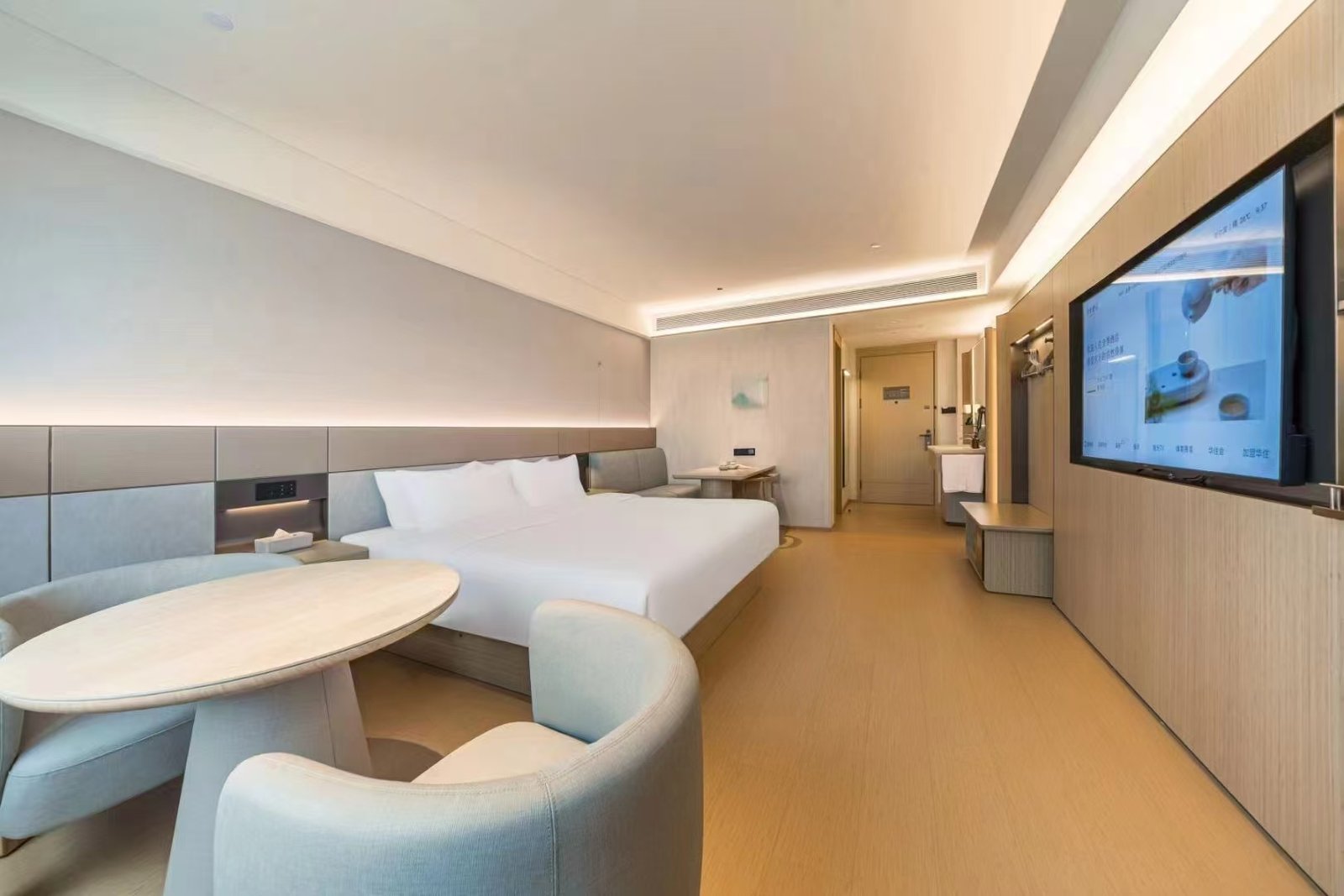
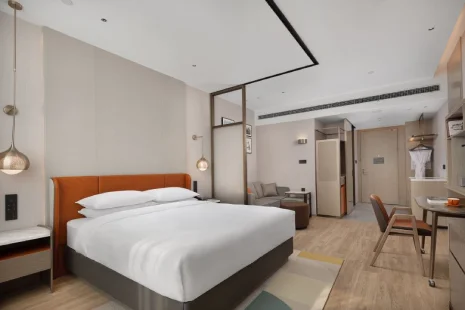
A guest enters with luggage. The suitcase may hit the wardrobe or bench. The bedside drawer is opened repeatedly. The lounge chair is moved. The desk becomes a work surface, dining surface and luggage surface. Housekeeping cleans around the same furniture every day.
Those repeated actions tell you more about hotel furniture durability than the rendering alone.
| Guest Room Area | Typical Stress | Common Furniture Risk |
|---|---|---|
| Entrance & Luggage Area | Suitcase impact and frequent handling | Chipped edges, damaged upholstery, scratched surfaces |
| Sleeping Area | Daily use and repeated housekeeping | Loose bed components, damaged headboard upholstery |
| Wardrobe Area | Repeated opening and closing | Hinge wear, drawer problems, handle loosening |
| Work Area | High surface contact | Scratches, edge wear, unstable chairs |
| Lounge Area | Frequent sitting and furniture movement | Frame looseness, foam deformation, fabric wear |
Failure Point #1: Chairs Begin to Wobble
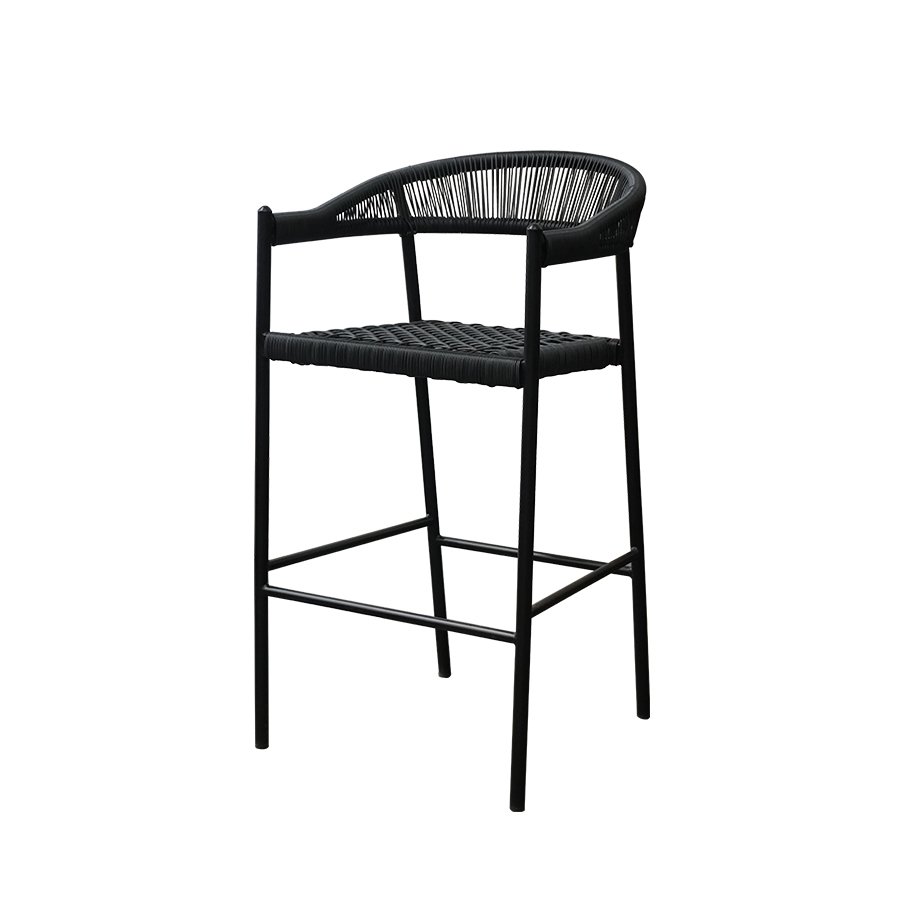
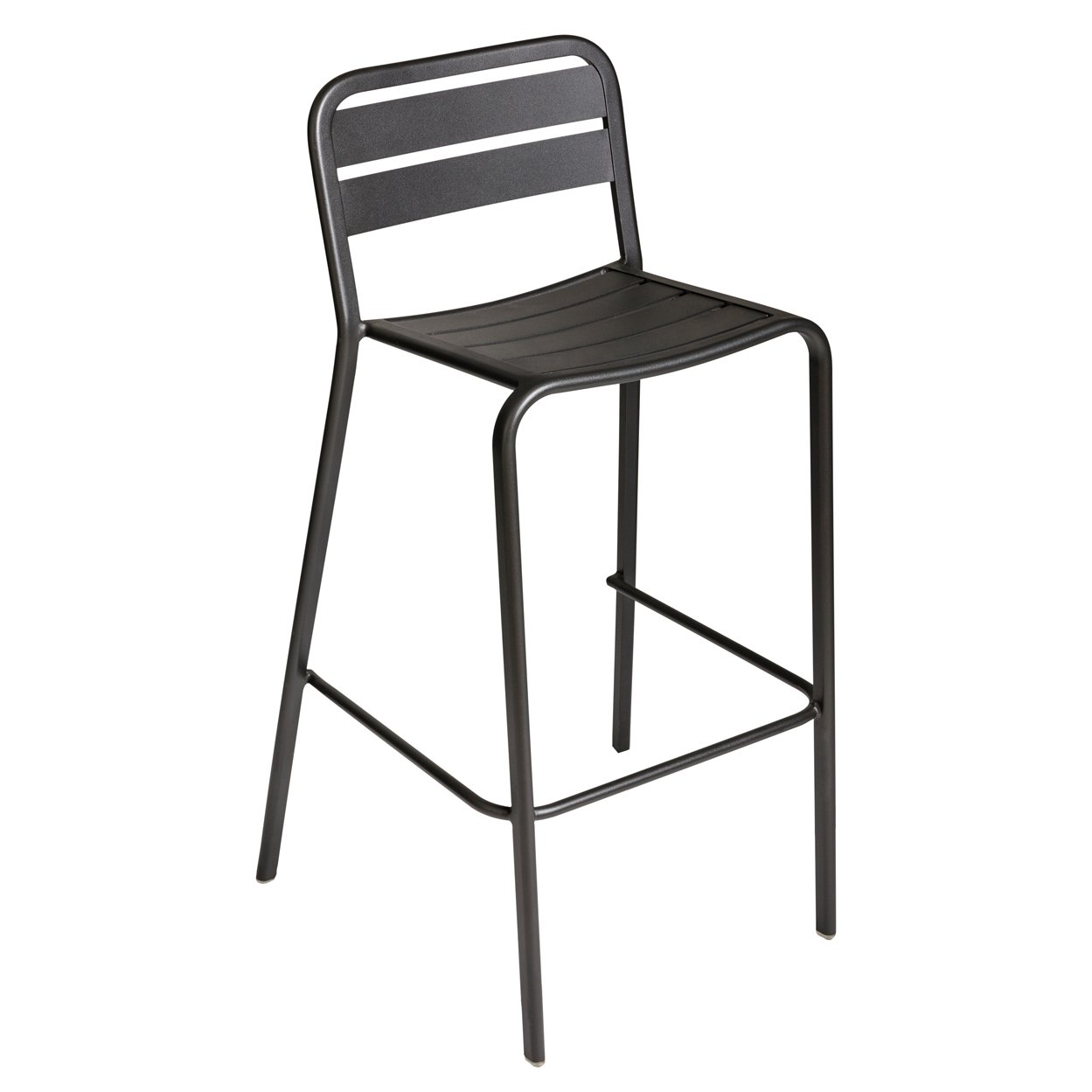
One of the clearest signs of poor commercial furniture performance is a chair that becomes unstable after repeated use.
The problem is often not the visible material. It is the connection between structural components.
A chair may have attractive upholstery and a premium finish, but if the frame joints, welds or connection points are weak, the product can still develop movement over time.
What Buyers Should Look At
- Frame material and section size
- Joint construction
- Weld quality on metal frames
- Connection between seat and frame
- Leg stability
- Arm attachment
- Overall movement when the chair is loaded
The important point is that a chair should be evaluated as a structure, not simply as an upholstered object.
This applies to both hotel dining chairs and hotel lounge chairs , although the load and comfort requirements may differ.
Failure Point #2: Upholstery Looks Old Too Quickly
Upholstered furniture can remain structurally sound while still making a guest room look worn.
Typical problems include:
- Fabric abrasion on seat edges
- Loose seams
- Piping becoming uneven
- Wrinkled upholstery
- Foam losing shape
- Color changes caused by cleaning or repeated contact
These problems are especially visible because guests directly touch and see the surface.
Do Not Evaluate Fabric by Color Alone
A fabric that matches the interior design perfectly may still be unsuitable for a high-use hotel chair if the material is difficult to clean or does not perform well under repeated contact.
When approving upholstery, buyers should consider:
- Actual application
- Expected cleaning method
- Fabric construction
- Pattern direction
- Seam location
- Foam beneath the upholstery
The upholstery specification and the internal foam system need to be considered together.
Failure Point #3: Drawers, Doors and Hardware Stop Working Properly
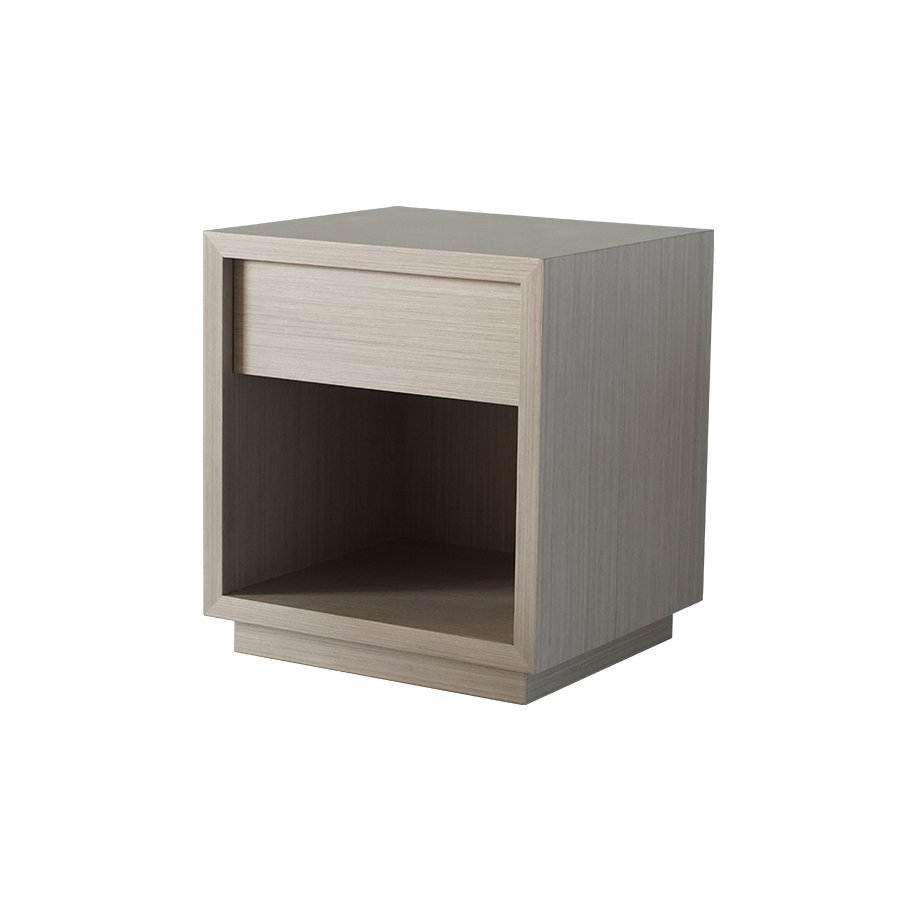
Wardrobes and bedside cabinets may receive less visual attention than lounge chairs, but their moving parts can be used many times during every guest stay.
A drawer runner or hinge that performs poorly can quickly become an operational problem.
For hotel cabinets , check more than the external finish.
Open and Close Everything
During sample review, physically operate:
- Wardrobe doors
- Drawers
- Minibar doors
- Sliding components
- Handles
- Locks or latches where used
Listen for unusual noise, check alignment and confirm that moving components do not interfere with surrounding furniture.
A cabinet can look perfect while standing still and still perform poorly as soon as the guest starts using it.
Failure Point #4: High-Contact Surfaces Become Damaged
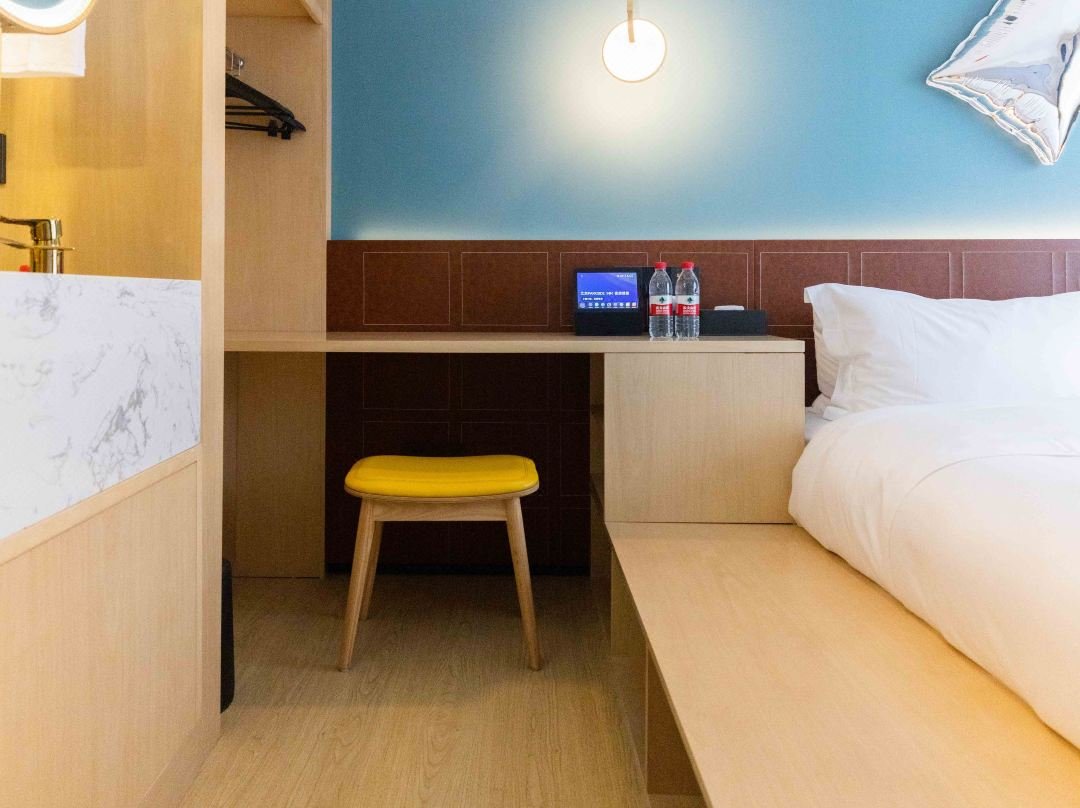
Desks, tabletops, bedside surfaces and luggage areas are exposed to repeated contact with bags, keys, laptops, drinks and cleaning equipment.
The most vulnerable locations are often:
- Tabletop edges
- Desk corners
- Drawer fronts
- Wardrobe edges
- Luggage bench surfaces
- Chair arms
A decorative finish may perform well in a low-contact area but be less suitable for a frequently used work surface.
Think About the Edge, Not Only the Face
Buyers often focus on the large visible surface because that is what appears in the rendering. In actual hotel operation, corners and edges may receive more impact than the center of the panel.
Edge treatment should therefore be part of the material and construction discussion.
Failure Point #5: The Furniture Makes Housekeeping More Difficult
Durability is not only about whether a product physically breaks.
Furniture that makes cleaning difficult can create another kind of operating cost.
For example:
- A heavy chair may be difficult to move repeatedly.
- A very low bed base may create difficult cleaning areas.
- A cabinet positioned too close to another item may trap dust.
- Complex decorative details may be difficult to maintain.
- Furniture feet may damage or mark flooring.
For high-traffic guest rooms, practical operation should be considered during design development rather than after installation.
Durability Is a System, Not One Material
It is tempting to solve durability by asking for a stronger material.
In reality, commercial furniture performance usually depends on several layers working together:
- Structure — the frame and load-bearing components
- Connections — joints, welds, screws and hardware
- Surface — veneer, laminate, coating, tabletop or decorative finish
- Upholstery — fabric, leather, stitching and foam
- Dimensions — how well the furniture fits its actual application
- Maintenance — how easily hotel staff can clean and operate it
Strengthening only one layer while ignoring the others does not automatically create durable hotel room furniture.
Use the Sample Room as a Stress Test
A mock-up room or representative sample should not be treated only as a design presentation.
It is one of the best opportunities to discover durability problems before production begins.
Test #1 — Move the Furniture
Move the chair, bench and occasional table the way a guest or housekeeper would. Check weight, stability and floor contact.
Test #2 — Sit for More Than a Few Seconds
A quick sit may not reveal an uncomfortable seat depth, foam issue or back angle.
Test #3 — Open Every Moving Part
Open wardrobe doors and drawers repeatedly and look for alignment or clearance problems.
Test #4 — Check the Room at Real Scale
Make sure furniture does not create narrow walkways or difficult cleaning areas.
Test #5 — Inspect Contact Points
Look at corners, chair arms, legs, handles and edges. These are often the locations that receive repeated impact.
Test #6 — Review Finish Samples Under Real Lighting
Hotel lighting can make color variation, surface defects and gloss differences more visible.
Test #7 — Record Every Revision
If the sample requires a stronger joint, different fabric, revised dimension or different finish, the change should be recorded before bulk production.
High-Traffic Does Not Mean Every Product Needs to Be Over-Specified
There is another common mistake: assuming that durability requires the heaviest construction and most expensive materials everywhere.
That can create unnecessary cost.
A decorative bedside panel, lounge chair frame and luggage bench do not receive the same type of stress. Their specifications should reflect their actual functions.
| Furniture Item | Where Durability Matters Most |
|---|---|
| Wardrobe | Hardware, door alignment, surfaces and edge protection |
| Bedside Cabinet | Drawer operation, surface wear and finish consistency |
| Desk | Top surface, edges, stability and room fit |
| Dining / Desk Chair | Frame, joints, seat structure and finish |
| Lounge Chair | Frame, foam, upholstery and comfort |
| Luggage Bench | Structure, upholstery and resistance to suitcase contact |
What Should Be Written Into the Furniture Specification?
A buyer cannot inspect durability effectively if the specification only describes the visual appearance.
Where relevant, project documents should clarify:
- Overall furniture dimensions
- Main construction materials
- Frame requirements
- Hardware specification
- Foam or upholstery requirements
- Surface finish reference
- Approved physical samples
- Testing requirements if applicable
- Packaging requirements
Our Custom Furniture Solutions support project development from drawings and specifications through material confirmation, sampling and bulk production.
Durability Problems Often Start Before Production
When hotel furniture fails too early, the factory is not always the only source of the problem.
The issue may have started with:
- An unsuitable material selected during design
- An unclear specification
- A furniture size that does not suit the room
- A sample that was approved without real use testing
- A later revision that was not documented
- Bulk production that was not checked against the approved sample
This is why durability needs to be managed from specification through final inspection.
What Should Buyers Check During Bulk Production?
Once the sample is approved, the focus changes from “Can this product be made?” to “Can this product be reproduced consistently?”
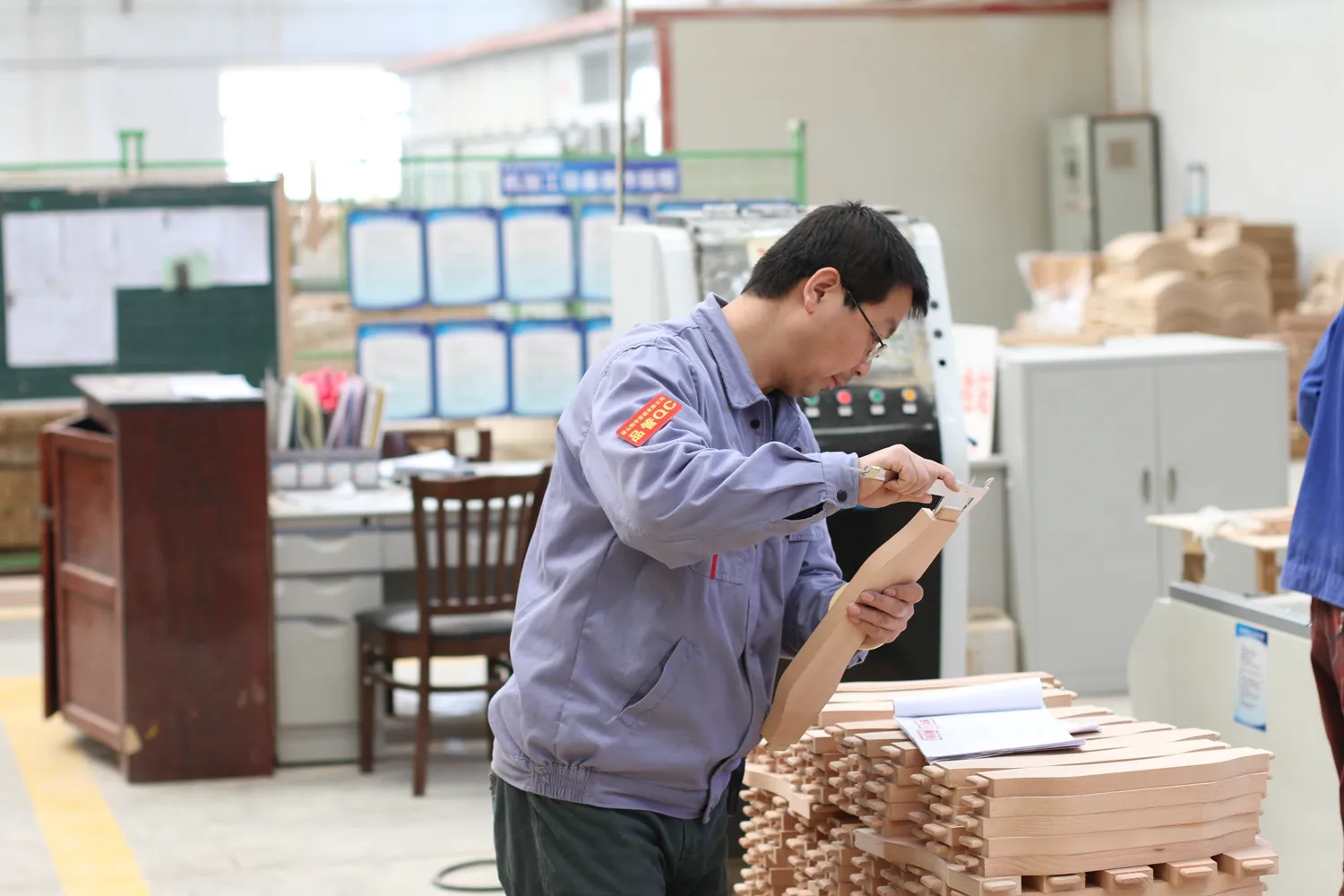
For a high-use hotel furniture order, quality checks may focus on:
- Frame and joint consistency
- Dimensions
- Hardware installation
- Surface finishing
- Upholstery tension and stitching
- Foam shape
- Chair stability
- Drawer and door operation
- Packaging protection
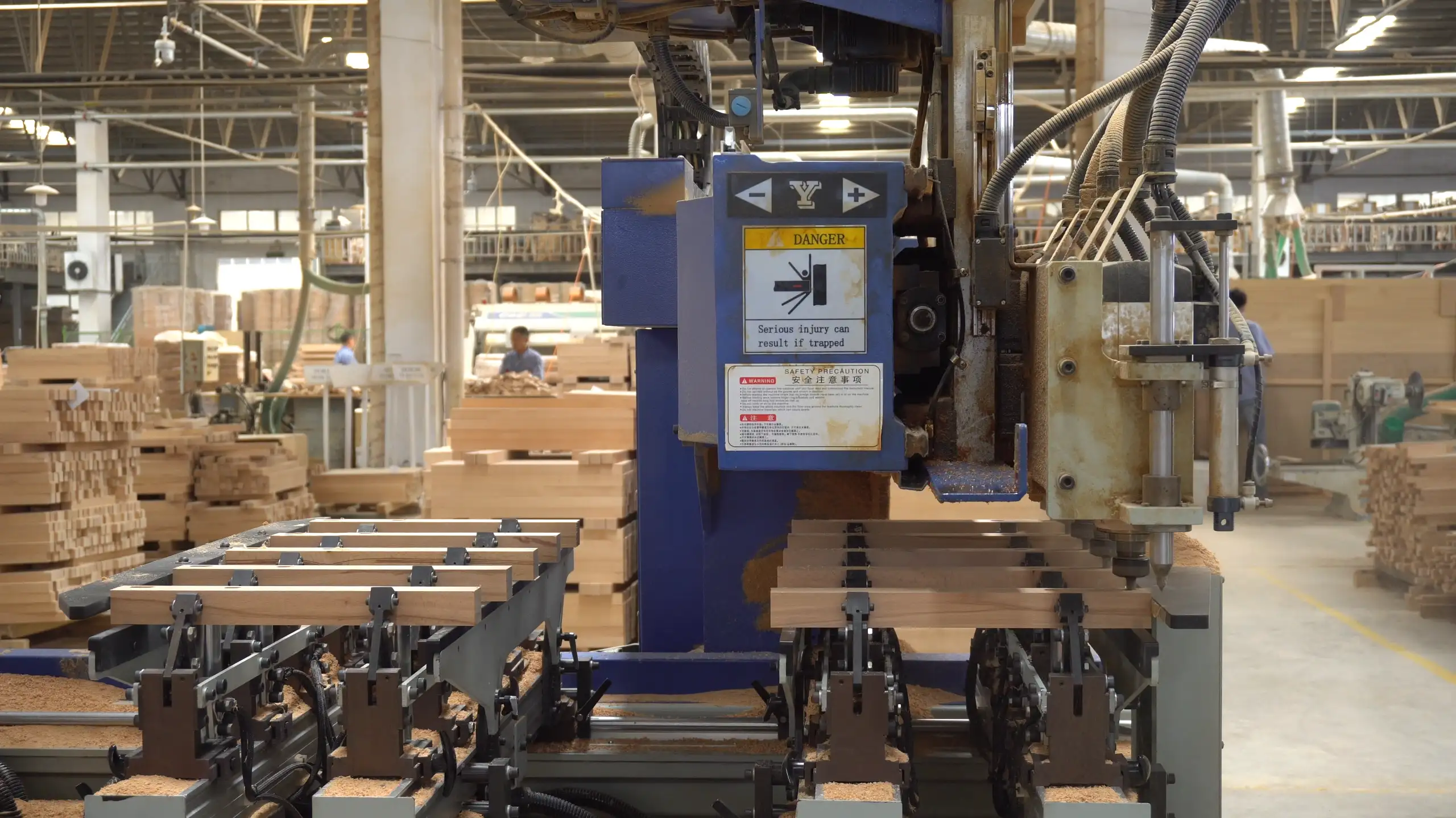
Buyers who want to understand the broader manufacturing process can review the TSXY Factory Review .
Five Warning Signs to Take Seriously During Sample Review
1. The chair moves when loaded.
Small movement at the sample stage can become more serious after repeated commercial use.
2. Drawers or doors already need adjustment.
Bulk production will not automatically correct a basic hardware or alignment problem.
3. Upholstery looks loose before the product is used.
The appearance may become worse after compression and cleaning cycles.
4. Furniture edges are already easy to damage.
Consider how those same edges will perform around luggage and housekeeping equipment.
5. The supplier cannot explain how the approved sample will be controlled in mass production.
Durability is difficult to manage without a clear production reference.
Choose Furniture for the Next Several Years, Not Only Opening Day
A new hotel room is usually photographed immediately after installation, when every finish is clean and every product is new.
The more important question is what the same room will look like after repeated occupancy, cleaning and maintenance.
Good durable hotel furniture should balance appearance with structure, surface performance, comfort, maintenance and production consistency.
For project buyers, that means evaluating furniture at the points where real hotel use creates the most stress — not simply selecting the strongest-sounding material specification.
Planning Furniture for a High-Use Hotel Project?
TSXY supports hotel owners, procurement teams, designers and contractors with customized hospitality furniture including casegoods, chairs, lounge seating, tables, benches and other guest-room products.
Project buyers can provide BOQ, room layouts, drawings, finish references and design requirements for material review, sampling and bulk production.
Explore Hotel Furniture | View Custom Solutions